
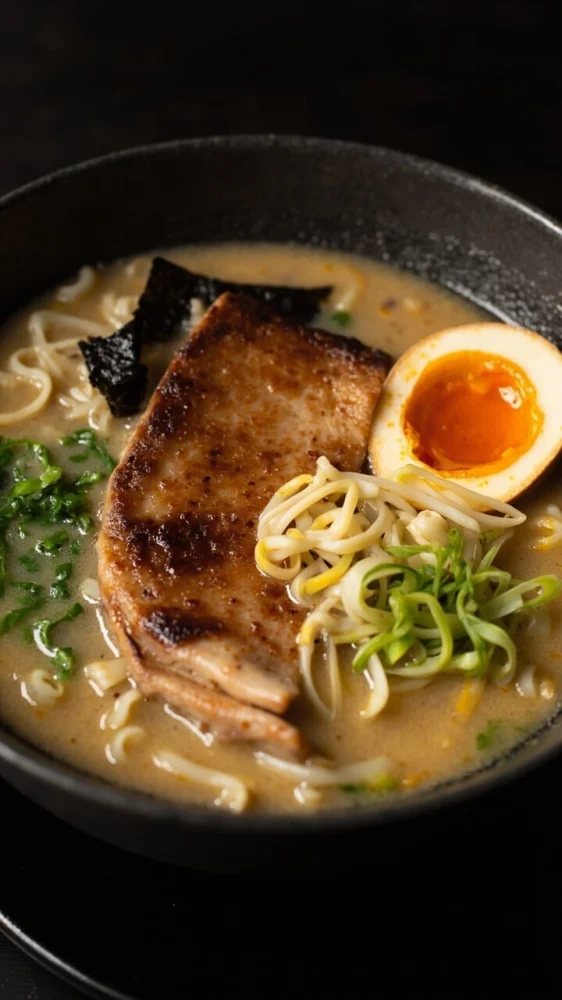
- Chashu Pork-Flavor and Preparation
- Nori-Seaweed's Role in Ramen
- Bamboo Shoots-Crunch and Texture
- Corn and Butter-Sweetness and Creaminess
- Combining Toppings for Perfect Balance
- Real Case Experience from Japanese Restaurant
- Tasting Tips and Enhancing Ramen Experience
1. Chashu Pork-Flavor and Preparation
Chashu pork is the quintessential topping for a rich bowl of ramen, bringing a deep umami flavor that balances the savory broth. Traditionally, chashu is made from pork belly slowly braised in a mixture of soy sauce, mirin, sake, and sugar, allowing the meat to become tender and infused with flavor.
Choosing the Right Cut
While pork belly is the most common, shoulder cuts are also used depending on desired fat content. More marbling results in a softer, melt-in-your-mouth experience. Japanese Restaurant emphasizes sourcing high-quality pork for the best taste.
Cooking Tips
Simmering chashu for several hours ensures tenderness, while careful glazing with the cooking liquid adds a glossy, flavorful finish. Slice thinly before placing atop ramen to allow the heat of the broth to enhance flavor.
2. Nori-Seaweed's Role in Ramen
Nori, the dried seaweed sheet, is more than decoration—it provides a subtle briny flavor that complements the richness of ramen broth. It also adds a contrasting texture when eaten alongside soft noodles.
Serving Suggestions
Typically added just before serving, nori should be placed on the side of the bowl, allowing it to soften gradually. Some ramen enthusiasts slightly toast it to intensify the aroma.
Nutritional Value
Rich in iodine and minerals, nori offers nutritional benefits while enhancing the sensory experience of ramen.
3. Bamboo Shoots-Crunch and Texture
Bamboo shoots, or menma in Japanese, contribute a pleasant crunch and a slightly earthy flavor to ramen. They are usually marinated in soy sauce and spices to provide additional depth.
Marinating Techniques
Marinated bamboo shoots absorb flavors over time, creating a savory note that contrasts beautifully with the fatty chashu pork and creamy broth.
Texture Balance
The crunchy bite of bamboo shoots is crucial to balancing the soft noodles and tender meat, enhancing the overall mouthfeel of the dish.
4. Corn and Butter-Sweetness and Creaminess
Corn kernels add a natural sweetness to ramen, particularly in miso-based bowls, while butter introduces creaminess and richness. This combination is especially popular in Hokkaido-style ramen.
Serving Technique
Add corn directly from the can or freshly boiled, and allow a pat of butter to melt slowly into the hot broth, creating a luscious texture.
Flavor Enhancement
The sweet and creamy toppings create a comforting contrast to the salty, umami-packed broth, making each spoonful satisfying and indulgent.
5. Combining Toppings for Perfect Balance
When crafting your ramen bowl, consider layering flavors thoughtfully:
- Place chashu pork first to anchor the dish.
- Add bamboo shoots for textural contrast.
- Position nori at the side to soften gradually.
- Sprinkle corn and top with butter for sweetness and creaminess.
This combination ensures a balanced experience, where each bite offers a harmony of textures and flavors.
6. Real Case Experience from Japanese Restaurant
At Japanese Restaurant, Chef Saito shared how customizing toppings transforms a simple ramen into a memorable dish. He demonstrated layering chashu and bamboo shoots first, followed by nori sheets and finishing with corn and butter, resulting in a complex, well-rounded flavor profile. Guests frequently compliment the meticulous layering and the perfect balance between sweet, savory, and umami notes.
7. Tasting Tips and Enhancing Ramen Experience
To fully appreciate ramen toppings:
- Mix lightly to experience combined flavors without overwhelming the palate.
- Savor individual ingredients first to identify distinct tastes.
- Use chopsticks to alternate between toppings and noodles, maintaining texture contrast.
- Experiment with broth variations to find your preferred combination with these toppings.
Exploring toppings thoughtfully allows ramen enthusiasts to discover the art behind each bowl and creates an elevated dining experience at home or in restaurants like Japanese Restaurant.
For those looking to recreate or enhance their ramen at home, Japanese Restaurant offers guidance on selecting high-quality ingredients and seasoning techniques that highlight each topping’s unique qualities.






 Maru Sushi & Grill - East Nashville4.0 (389 reviews)
 FUKULALA Sushi Suwanee4.0 (292 reviews)
 Pacific Rim4.0 (711 reviews)
 Kenji Sushi4.0 (113 reviews)
 Ginza ( under new management)Sushi Time coming soon4.0 (810 reviews)
 Katsumono0.0 (0 reviews)
 How to Say "Restaurant" in Japanese
 An Insider’s Review of Asahi Japanese Restaurant | Best Sushi & Dining Experience
 A Foodie’s Experience at Sasa Japanese Restaurant
 An Insider’s Review of Oishi Japanese Restaurant
 The Complete Guide to Dining at Domo Japanese Country Food Restaurant
 Top Dishes You Should Order at Shiki Japanese Restaurant