
- -What-makes-shokupan-different-from-other-breads
- -The-history-of-japanese-milk-bread
- -Why-shokupan-is-so-soft-and-fluffy
- -The-science-behind-the-tangzhong-method
- -Key-ingredients-that-create-the-perfect-texture
- -How-japanese-bakeries-master-shokupan
- -Different-types-of-shokupan
- -Popular-ways-to-enjoy-japanese-milk-bread
- -How-to-make-shokupan-at-home
- -Why-shokupan-has-become-a-global-food-trend
- -Where-to-find-authentic-japanese-milk-bread
What Makes Shokupan Different From Other Breads
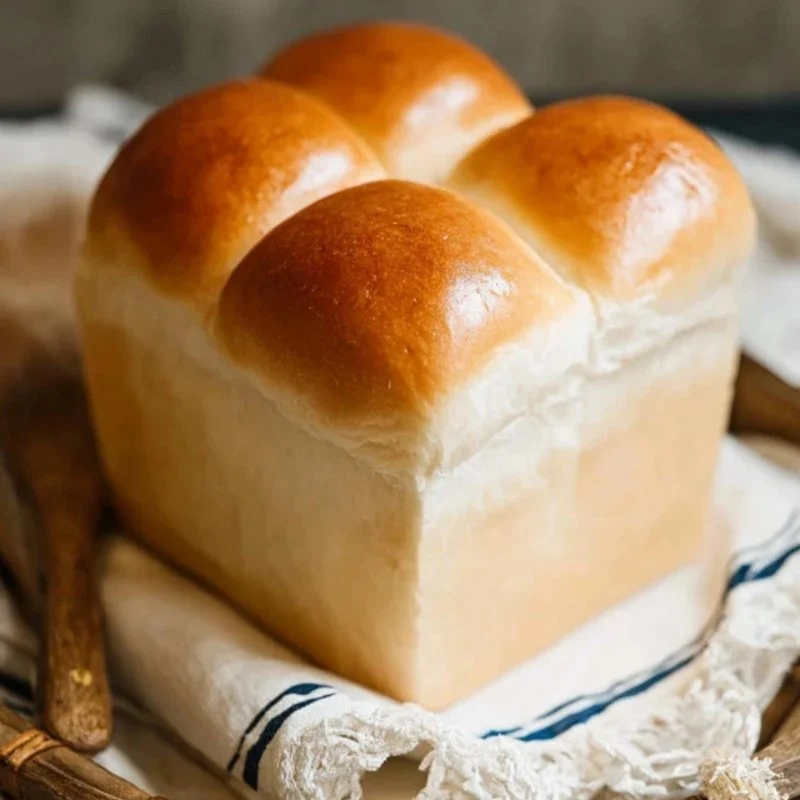
Japanese milk bread, commonly known as shokupan, has gained a devoted following across the United States and around the world. At first glance, it may look like an ordinary loaf of white bread. However, one bite immediately reveals why it stands apart. The texture is exceptionally soft, the crumb is delicate and airy, and the flavor offers a subtle sweetness that feels comforting without being overwhelming.
Unlike many traditional sandwich breads that can become dry or crumbly after a day or two, shokupan maintains its tenderness for an extended period. This unique characteristic has made it a staple in Japanese households and a favorite among food enthusiasts seeking bakery-quality bread at home.
Many first-time tasters describe the experience as surprising. The bread almost melts in the mouth, yet it still has enough structure to support sandwiches, toast, and desserts. This combination of softness and versatility is one of the primary reasons Japanese milk bread continues to gain popularity throughout the American food scene.
The History of Japanese Milk Bread
1. Early Western Influence on Japanese Baking
Bread was not traditionally a major part of Japanese cuisine. Rice remained the primary staple for centuries. During the late nineteenth and early twentieth centuries, Western culinary influences began entering Japan, introducing new baking techniques and ingredients.
Japanese bakers quickly adapted these foreign concepts while refining recipes to suit local tastes. Instead of producing crusty European-style loaves, they focused on creating softer, sweeter breads that appealed to Japanese consumers.
2. The Evolution of Shokupan
Over time, bakers experimented with milk, butter, and specialized dough preparation methods. These innovations eventually led to the development of modern shokupan. The result was a loaf with exceptional softness, a fine crumb structure, and remarkable freshness.
Today, premium shokupan bakeries can be found throughout Japan, with some customers willing to wait in long lines for freshly baked loaves. Specialty bakeries have transformed what appears to be a simple bread into a highly respected culinary product.
Why Shokupan Is So Soft and Fluffy
1. Higher Moisture Retention
One of the biggest secrets behind shokupan's texture is its ability to retain moisture. Traditional bread recipes often lose moisture during baking and storage. Japanese milk bread uses techniques that lock water into the dough, creating a soft and pillowy structure.
2. Enriched Dough Formula
Shokupan contains ingredients that enrich the dough. Milk, butter, sugar, and sometimes cream contribute to a smoother texture and richer flavor profile. These ingredients also help create a more tender crumb compared to standard sandwich bread.
3. Extended Kneading Process
Professional bakers often knead shokupan dough for longer periods. This develops gluten structures capable of trapping gas bubbles efficiently. The result is a loaf that rises beautifully while maintaining an incredibly light texture.
4. Precise Fermentation Control
Temperature and fermentation timing play a major role. Japanese bakeries are known for their attention to detail. Even slight adjustments in proofing time can affect the final softness of the loaf.
The Science Behind the Tangzhong Method
When discussing why Japanese milk bread is so soft and fluffy, it is impossible to ignore the famous tangzhong technique.
1. What Is Tangzhong?
Tangzhong involves cooking a small portion of flour and liquid together before incorporating it into the main dough. The mixture forms a smooth paste that resembles a thick pudding.
2. How It Changes the Dough
Heating flour causes starch molecules to absorb and retain more water. When this pre-cooked mixture is added to bread dough, it significantly increases moisture retention.
This process allows the dough to hold more liquid than standard bread recipes. As a result, the finished loaf becomes softer, fluffier, and slower to dry out.
3. Why Professional Bakers Love It
The tangzhong method offers consistency. It improves texture, shelf life, and overall eating quality. Many professional bakeries around the world have adopted this technique after seeing the impressive results achieved by Japanese bakers.
Key Ingredients That Create the Perfect Texture
Milk
Milk contributes proteins, fats, and natural sugars that enhance softness and flavor. It also promotes a golden crust while maintaining a tender interior.
Butter
Butter coats gluten strands and creates a softer mouthfeel. It also adds richness that distinguishes shokupan from ordinary white bread.
Bread Flour
High-protein bread flour provides the strength necessary for creating the bread's signature structure. Without sufficient protein, the loaf would collapse under its own moisture content.
Sugar
Sugar helps feed the yeast while contributing subtle sweetness. The sweetness is usually mild, making the bread suitable for both savory and sweet applications.
Yeast
Yeast fermentation creates the gas bubbles responsible for the airy interior. Proper yeast activity is essential for achieving the famous cloud-like texture.
How Japanese Bakeries Master Shokupan
Walking into a Japanese bakery often feels like entering a place where baking is treated as both science and art. Bakers may spend years refining their techniques.
1. Ingredient Selection
Premium bakeries often use carefully sourced flour and dairy products. Even slight differences in flour quality can influence the final texture.
2. Precise Measurements
Professional bakers rely on exact measurements rather than rough estimates. Consistency is crucial when creating a loaf known for its delicate texture.
3. Multiple Fermentation Stages
Many bakeries use carefully timed fermentation schedules to maximize flavor development while maintaining softness.
This dedication to craftsmanship explains why some famous Japanese bakeries sell out shortly after opening each day.
Different Types of Shokupan
Traditional White Shokupan
This is the classic version most people recognize. It features a mild flavor and an exceptionally soft crumb.
Whole Wheat Shokupan
Whole wheat variations provide additional fiber while preserving much of the softness associated with traditional shokupan.
Hokkaido Milk Bread
Perhaps the most famous variation, Hokkaido milk bread uses high-quality dairy products from Japan's Hokkaido region. It is prized for its rich flavor and luxurious texture.
Specialty Flavored Versions
Modern bakeries frequently experiment with matcha, chocolate, cheese, sweet potato, and other ingredients to create unique shokupan variations.
Popular Ways to Enjoy Japanese Milk Bread
1. Thick Toast
One of the simplest and most beloved ways to enjoy shokupan is as thick-cut toast. The exterior becomes lightly crisp while the interior remains incredibly soft.
2. Japanese Fruit Sandwiches
Shokupan serves as the foundation for Japan's famous fruit sandwiches, which combine whipped cream and fresh fruit between slices of bread.
3. Premium Sandwiches
Its soft texture makes it ideal for egg salad, chicken katsu, and other Japanese-style sandwiches.
4. French Toast
Because it absorbs custard exceptionally well, shokupan is widely considered one of the best breads for making luxurious French toast.
How to Make Shokupan at Home
Step 1: Prepare the Tangzhong
Cook flour and water together over low heat until a thick paste forms. Allow it to cool completely.
Step 2: Mix the Dough
Combine bread flour, milk, yeast, sugar, butter, and the tangzhong mixture. Knead until the dough becomes smooth and elastic.
Step 3: First Rise
Allow the dough to ferment until doubled in size.
Step 4: Shape and Proof
Shape the dough into rolls and place them in a loaf pan. Allow a second rise until the dough nearly reaches the top of the pan.
Step 5: Bake
Bake until golden brown. Let the loaf cool before slicing.
Home bakers often report that their first successful shokupan loaf becomes a memorable achievement because of the dramatic difference in texture compared to conventional homemade bread.
Why Shokupan Has Become a Global Food Trend
Social media has played a significant role in introducing shokupan to international audiences. Videos showing slices being pulled apart to reveal their feathery texture have attracted millions of views.
Food bloggers, professional chefs, and home bakers have embraced Japanese milk bread because it combines visual appeal with outstanding flavor. During periods when home baking surged in popularity, shokupan recipes became some of the most searched bread recipes online.
Its versatility also contributes to its success. Whether used for breakfast, lunch, snacks, or desserts, shokupan performs exceptionally well in a wide range of recipes.
Where to Find Authentic Japanese Milk Bread
As interest in Japanese cuisine continues to grow throughout the United States, authentic shokupan is becoming increasingly accessible. Japanese bakeries, specialty Asian grocery stores, and premium cafes frequently offer freshly baked milk bread.
For food enthusiasts interested in exploring authentic Japanese flavors beyond bread, Japanese Restaurant can be a valuable resource for discovering recommended dishes, dining experiences, specialty ingredients, and traditional Japanese culinary culture.
The enduring appeal of Japanese milk bread lies in its remarkable balance of simplicity and craftsmanship. What appears to be an ordinary loaf is actually the result of carefully refined techniques, quality ingredients, and decades of baking expertise. Once people experience the signature softness, delicate sweetness, and cloud-like texture of authentic shokupan, it becomes easy to understand why this beloved Japanese bread has captured the attention of food lovers around the world.

 Nozomi Sushi House4.0 (75 reviews)
 The Public Izakaya4.0 (330 reviews)
 Inaho Japanese Restaurant4.0 (343 reviews)
 Kumadori4.0 (225 reviews)
 Bottle Rocket Fine Food and Beverage4.0 (393 reviews)
 Sushi King - Little Creek3.0 (1029 reviews)
 What Makes Nikko Japanese Restaurant Stand Out Among Japanese Restaurants – Unveiling Its Unique Appeal
 Trusted Japanese Food & Restaurant Supply Trading Company in Secaucus NJ
 Signature Sushi and Ramen at Bozu Japanese Restaurant
 What Makes Japanese Curry Restaurants Stand Out Among Japanese Dining
 What to Do in a Japanese Restaurant: Dining Etiquette, Menu Tips, and Cultural Insights
 The Complete Guide to Dining at Hiro Japanese Restaurant