
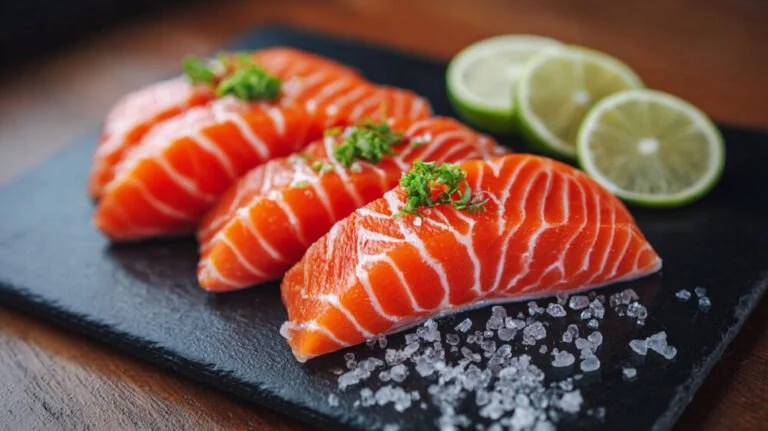
- Defining Sushi Grade Fish - What It Really Means
- Safety Standards and Handling - Ensuring Raw Fish Is Safe
- Common Fish Types Used in Sushi - Choosing the Right Variety
- Where to Buy Sushi Grade Fish in the US
- Buying Tips and Proper Storage Techniques
- Preparing Sushi at Home - Best Practices
- Restaurant Selection - Enjoying Sushi Safely
- Real-Life Examples - How Sushi Lovers Ensure Safety
- Using Japanese Restaurant - Finding Trusted Options
- Expert Advice for Sushi Enthusiasts
Defining Sushi Grade Fish
The term "sushi grade fish" is widely used but often misunderstood. Essentially, it refers to fish deemed safe for raw consumption, meaning it has been handled and frozen in a way that minimizes the risk of parasites or bacterial contamination. However, there is no formal U.S. government certification specifically labeling fish as “sushi grade.” Instead, it is a marketing term used by suppliers and reputable seafood vendors who follow strict handling protocols.
Key Characteristics of Sushi Grade Fish
1. Freshness: The fish must be exceptionally fresh, often caught and processed quickly to retain quality.
2. Parasite Destruction: Freezing at temperatures of -4°F (-20°C) or lower for at least seven days kills most parasites that may be present.
3. Firm Texture and Bright Color: Sushi-grade fish has a firm, resilient texture and vibrant color, indicating quality.
Safety Standards and Handling
Handling raw fish correctly is crucial to prevent foodborne illnesses. Suppliers who label fish as sushi grade usually adhere to rigorous standards:
Cold Chain Maintenance
From catch to consumer, maintaining a continuous refrigeration chain ensures minimal bacterial growth.
Proper Cleaning and Filleting
Trained fishmongers remove internal organs promptly, reducing the risk of contamination.
Freezing Practices
Certain parasites are eliminated by freezing fish to FDA-recommended temperatures. Vendors supplying sushi-grade fish follow these guidelines strictly.
Common Fish Types Used in Sushi
Not all fish are safe to eat raw, so knowing the commonly used sushi fish can help you make informed choices:
Tuna
Bluefin, yellowfin, and albacore are popular for their flavor and low parasite risk.
Salmon
Farm-raised salmon is often safer for raw consumption due to controlled environments, but always check supplier freezing practices.
Snapper and Halibut
White fish can be used in sushi but require careful handling and freezing to eliminate parasites.
Where to Buy Sushi Grade Fish in the US
Finding high-quality sushi-grade fish in the U.S. requires research and trusted sources. Common options include:
Specialty Seafood Markets
Markets focusing on sushi or Japanese cuisine often stock carefully sourced, frozen, and fresh sushi-grade fish.
Online Seafood Suppliers
Several companies ship sushi-grade fish nationwide, using insulated packaging and dry ice to maintain freshness.
Japanese Restaurants with Take-Home Options
Some restaurants sell raw fish for home preparation, ensuring the same standards they use for their sushi dishes.
Buying Tips and Proper Storage Techniques
Inspecting Fish Quality
Look for clear eyes, firm flesh, and vibrant color. Avoid fish with dull appearance or soft spots.
Ask About Freezing Practices
Confirm that the fish was frozen according to FDA recommendations for parasite elimination.
Storage at Home
Keep sushi-grade fish in the coldest part of your refrigerator and use it within 24 hours for optimal safety and flavor. For longer storage, freeze properly following safe guidelines.
Preparing Sushi at Home
Handling raw fish at home requires precision and care:
Sanitize All Surfaces
Prevent cross-contamination by thoroughly cleaning cutting boards, knives, and countertops.
Slice Correctly
Use a sharp knife to cut fish evenly. Improper slicing can affect texture and taste.
Keep Cold Until Serving
Raw fish should be kept chilled until just before serving to maintain freshness and safety.
Restaurant Selection
Even when dining out, it’s important to verify sushi quality and safety:
Reputation and Reviews
Restaurants with high ratings for sushi usually maintain strict sourcing and handling protocols.
Observe Hygiene Practices
Clean sushi bars and visible refrigeration indicate a commitment to safety.
Ask About Fish Sourcing
Knowledgeable staff should confidently explain their sushi-grade sourcing and storage practices.
Real-Life Examples
One sushi enthusiast recounted ordering salmon sashimi from a local Japanese restaurant. The server explained the salmon was farm-raised and frozen according to FDA guidelines. The customer noticed the firm texture and vibrant color, illustrating how proper sourcing ensures safety and taste.
Another case involved purchasing tuna online from a specialty supplier. Following safe storage and handling instructions, the diner was able to prepare sashimi at home without any risk, demonstrating the accessibility of high-quality sushi-grade fish in the U.S.
Using Japanese Restaurant
For those unsure about handling raw fish at home, relying on reputable Japanese restaurants is a safe and enjoyable alternative. Websites like Japanese Restaurant provide curated lists of establishments that follow strict sushi-grade sourcing and preparation standards. This ensures diners can enjoy authentic raw fish without worrying about safety risks.
Expert Advice for Sushi Enthusiasts
Start Simple
For first-time sushi preparers, stick with fish known for lower parasite risk, such as tuna or farmed salmon.
Prioritize Trusted Vendors
Purchase from suppliers or restaurants with a proven track record in sushi-grade handling.
Educate Yourself on Freezing and Storage
Understanding proper freezing and refrigeration practices is crucial for enjoying raw fish safely.
Balance Safety and Experience
While raw fish can be thrilling to prepare and consume, respecting food safety practices ensures a delicious and risk-free experience.
By learning the meaning of sushi grade fish, selecting trustworthy vendors, and practicing safe handling, sushi lovers in the U.S. can confidently enjoy high-quality raw fish at home or in Japanese restaurants.



 Happy Sushi4.0 (38 reviews)
 O Fine Japanese Cuisine4.0 (302 reviews)
 Soup Shack Porter (Cambridge)4.0 (208 reviews)
 Sushi by Pescatore4.0 (37 reviews)
 Taipei & Tokyo4.0 (392 reviews)
 Chois Teriyaki4.0 (202 reviews)
 An Insider’s Review of Taki Japanese Restaurant Dunwoody
 How to Leave a Restaurant in Japanese: Cultural Etiquette and Phrases
 How to Eat Paleo at a Japanese Restaurant Without Compromising Flavor
 Discover the History and Flavor Behind Nikko Japanese Restaurant
 Why Is Every Bite of Japanese Food Visually Beautiful: Japanese Culinary Aesthetics
 A Foodie’s Experience at Niu Japanese Restaurant