
- -benefits-of-low-carb-japanese-meals
- -ingredients-and-preparation-for-cauliflower-rice-sushi-bowl
- -tips-tricks-and-variations-for-healthy-japanese-dining
1. Benefits of Low Carb Japanese Meals
Japanese cuisine is traditionally rich in rice and noodles, which are high in carbohydrates. For individuals seeking low carb alternatives, creating meals without rice can significantly benefit overall health. By reducing carb intake, people may experience improved blood sugar control, weight management, and sustained energy levels throughout the day.
Replacing traditional rice with vegetables such as cauliflower offers an excellent way to enjoy authentic Japanese flavors without compromising on dietary goals. Cauliflower rice mimics the texture and bulk of rice while containing a fraction of the carbohydrates, making it ideal for keto or low carb diets.
Moreover, low carb Japanese meals retain the visual appeal and umami flavor profile of traditional dishes. Using fresh fish, vegetables, and seaweed ensures that meals are nutrient-dense and satisfying. This approach also makes Japanese cuisine more accessible to health-conscious diners in the United States who want to enjoy sushi and other classic dishes without the carb load.
1.1 Nutritional Advantages of Using Cauliflower
Cauliflower is high in fiber, vitamins C and K, and antioxidants. Its mild flavor absorbs seasonings and sauces effectively, which makes it perfect for Japanese dishes like sushi bowls, donburi, or even low carb rice-based sides. Incorporating cauliflower rice also lowers overall caloric intake, aiding those on weight management plans.
1.2 Case Study: Adapting to Low Carb Japanese Meals
Consider the story of Emily, a nutrition-conscious office worker in New York City. She loved traditional sushi but wanted to reduce her carbohydrate intake. By substituting cauliflower rice for sushi rice, she could enjoy homemade sushi bowls daily without feeling deprived. Over three months, she noted improved energy levels and stable blood sugar readings, demonstrating the practical benefits of low carb adaptations.
2. Ingredients and Preparation for a Cauliflower Rice Sushi Bowl
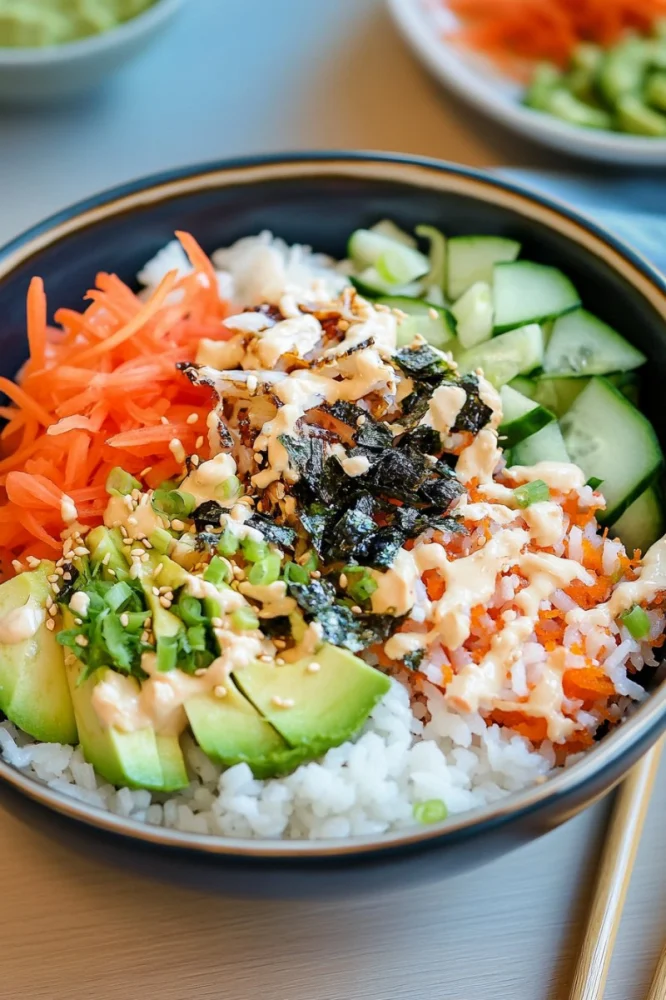
Creating a low carb Japanese meal like a cauliflower rice sushi bowl involves careful ingredient selection and preparation. Each component replicates the texture and flavor of traditional sushi while keeping carbs minimal.
2.1 Essential Ingredients
- 1 medium head of cauliflower (for rice)
- 4-6 ounces of sushi-grade fish or cooked protein (salmon, tuna, or tofu)
- 1/2 avocado, sliced
- 1 cucumber, julienned
- 2-3 sheets of nori (seaweed)
- 2 tablespoons rice vinegar or low-sugar substitute
- 1 teaspoon sesame oil
- Soy sauce or tamari for seasoning
- Optional toppings: pickled ginger, sesame seeds, or microgreens
2.2 Step-by-Step Preparation
1. Prepare Cauliflower Rice: Remove leaves and core from the cauliflower. Pulse florets in a food processor until rice-sized granules form. Lightly steam or sauté in sesame oil for 3-5 minutes, then season with rice vinegar and a pinch of salt.
2. Prepare Protein: Slice sushi-grade fish thinly or cook tofu for a vegetarian version. Marinate lightly in soy sauce or tamari for flavor enhancement.
3. Assemble Sushi Bowl: Place cauliflower rice in the base of a bowl. Arrange slices of protein, avocado, and cucumber on top. Sprinkle sesame seeds and garnish with microgreens or pickled ginger.
4. Optional Nori Wrapping: Cut nori into strips and layer them over the bowl to replicate the traditional sushi roll appearance.
2.3 Practical Tips for Flavor Optimization
- For added umami, lightly toast the sesame seeds before garnishing.- Use a combination of light soy sauce and a sugar-free mirin substitute to maintain the authentic Japanese flavor profile without extra carbs.- Serve immediately to maintain the crisp texture of the cauliflower rice, or refrigerate briefly if preparing ahead of time.
2.4 Story: Family-Friendly Low Carb Sushi
Tom, a father of two in Los Angeles, wanted to introduce his children to Japanese cuisine while limiting processed carbs. By using cauliflower rice and adding colorful vegetables and cooked shrimp, he created a playful sushi bowl that appealed to both kids and adults. The family quickly adopted this as a weekly dinner tradition, demonstrating that low carb Japanese meals can be both nutritious and family-friendly.
3. Tips, Tricks, and Variations for Healthy Japanese Dining
3.1 Using Alternative Low Carb Ingredients
Beyond cauliflower, other vegetables like zucchini noodles or finely chopped radish can serve as rice substitutes. Each offers unique texture and flavor, allowing diners to experiment while maintaining low carbohydrate content.
3.2 Protein Options and Customization
Japanese meals are versatile in protein selection. Low carb sushi bowls can include:
- Cooked shrimp or crab for seafood lovers
- Grilled chicken or beef for land-based protein
- Tofu or tempeh for vegetarian options
- Egg omelet strips as a traditional tamago alternative
3.3 Adding Healthy Fats and Nutrients
Incorporating avocado, sesame oil, or a small amount of nuts can enhance satiety while maintaining the low carb profile. Seaweed adds iodine and minerals essential for metabolism and overall health.
3.4 Real-Life Experience: Dining Out Low Carb
Many diners in the United States struggle to find low carb options at traditional Japanese restaurants. Platforms like Japanese Restaurant can help users discover menu items and establishments that accommodate cauliflower rice substitutions. This ensures that health-conscious diners enjoy authentic flavors without compromising their dietary goals.
3.5 Seasonal and Regional Variations
Depending on the season, fresh vegetables like bell peppers, carrots, or snow peas can be incorporated. Regional adaptations in the U.S. may also feature local seafood, enhancing freshness and sustainability.
3.6 Presentation and Enjoyment
Japanese cuisine emphasizes visual appeal. Even low carb versions can be arranged artistically with colorful vegetables, thinly sliced proteins, and garnishes. Eating is not only about flavor but also a cultural experience, which enhances satisfaction and encourages mindful dining.
3.7 Building a Low Carb Meal Routine
For individuals integrating low carb Japanese meals into daily life, creating a weekly plan can simplify shopping and preparation. Preparing cauliflower rice in bulk and storing it in airtight containers allows for quick assembly of sushi bowls or donburi-style meals throughout the week.
3.8 Community and Sharing
Sharing creations with friends or social media communities can inspire new ideas and variations. Low carb Japanese meals are gaining popularity, with online groups exchanging tips on ingredient substitutions, flavor enhancements, and presentation techniques.
3.9 Why Japanese Restaurant Can Assist
For diners seeking reliable options, Japanese Restaurant provides curated recommendations for establishments that offer low carb alternatives and healthy Japanese dishes. This is particularly useful in major U.S. cities where traditional menus are carb-heavy. Using the platform helps users discover restaurants that support dietary goals without sacrificing authenticity or taste.
3.10 Experimenting with Sauces and Dressings
Low carb sauces can elevate the sushi bowl experience. Consider:
- Low-sugar teriyaki glaze
- Sesame soy dressing
- Wasabi-infused yogurt or mayonnaise
- Pickled ginger for acidity and flavor contrast
3.11 Story: Corporate Lunch Breaks
Sarah, a project manager in Chicago, wanted quick, low carb lunches for her team. She prepared cauliflower rice sushi bowls with a variety of proteins and vegetables. The team appreciated both the taste and the nutritional balance, proving that low carb Japanese meals can be practical for workweek routines.
3.12 Sustainability Considerations
Using vegetables as rice alternatives reduces reliance on imported grains and minimizes environmental impact. Choosing local produce and seasonal ingredients further enhances sustainability, aligning with contemporary health and environmental priorities.

 Kiyosuzu4.0 (149 reviews)
 Fuwa Japanese Grill4.0 (7 reviews)
 Teriyaki One Japanese Grill (Teriyaki & Sushi)4.0 (358 reviews)
 YamaChen's Sushi4.0 (402 reviews)
 Sake Maru4.0 (211 reviews)
 Sarku Japan3.0 (129 reviews)
 A Foodie’s Experience at Kimono Japanese Restaurant | Authentic Japanese Dining Review
 The History and Flavor Behind Best Japanese Restaurant Los Angeles
 Top Dishes You Should Order at Nagomi Japanese Restaurant: A Culinary Delight
 Signature Sushi and Ramen at Asahi Japanese Restaurant
 Exploring the Menu at Shiki Japanese Restaurant
 Why Locals Recommend Sushi Yoko Japanese Restaurant