
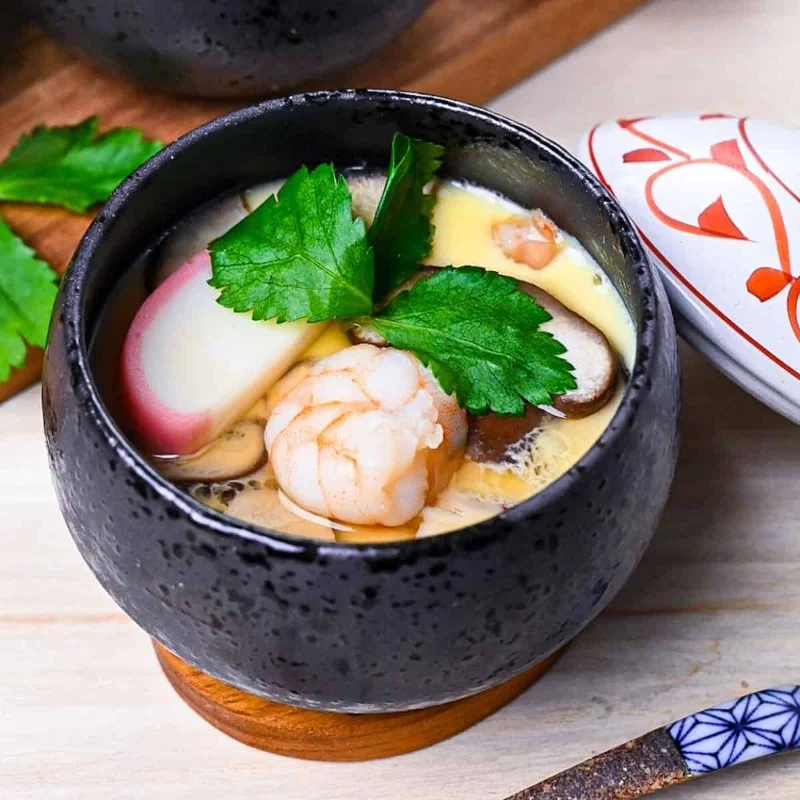
Mastering Silky Japanese Egg Custard: A Step-by-Step Guide to Chawanmushi
- 1-understanding-chawanmushi-and-its-cultural-significance
- 2-essential-ingredients-for-perfect-egg-custard
- 3-preparing-the-egg-mixture-with-precision
- 4-steaming-techniques-to-achieve-silky-texture
- 5-additional-flavorings-and-toppings
- 6-serving-suggestions-and-real-life-experiences
- 7-tips-for-home-cooks-and-troubleshooting
1. Understanding Chawanmushi and Its Cultural Significance
Chawanmushi, literally meaning “steamed in a tea cup,” is a classic Japanese dish that combines delicate eggs with savory ingredients like mushrooms, shrimp, and chicken. Known for its smooth, silky texture, it is often served as an appetizer in traditional Japanese meals. Understanding the cultural context of chawanmushi enhances the cooking experience and appreciation for this culinary art.
1.1 Origins and Tradition
Originating from Japan’s Edo period, chawanmushi was designed as a refined dish to highlight subtle flavors. Unlike Western custards, it is savory, not sweet, and is often included in kaiseki meals to stimulate the palate before the main course.
1.2 Why Texture Matters
The hallmark of a perfect chawanmushi is its creamy, custard-like texture. Achieving this requires precise steaming and careful preparation of the egg mixture, ensuring it sets gently without curdling.
2. Essential Ingredients for Perfect Egg Custard
To make authentic chawanmushi, gather fresh, high-quality ingredients. The balance of flavors is subtle, so every component counts.
2.1 Eggs and Dashi Stock
Use fresh eggs and combine them with dashi stock—a Japanese soup base made from kombu (kelp) and katsuobushi (bonito flakes). The ratio of eggs to dashi typically ranges from 1:1 to 1:1.5 depending on desired firmness.
2.2 Proteins and Vegetables
Chicken, shrimp, and ginkgo nuts are traditional proteins. Mushrooms such as shiitake add umami depth. Each ingredient is usually pre-cooked or blanched to ensure even steaming.
3. Preparing the Egg Mixture with Precision
Mixing the eggs with dashi requires gentle technique to avoid air bubbles, which can ruin the silky texture.
3.1 Beating and Straining
Beat the eggs lightly without frothing. Strain the mixture through a fine sieve to remove chalaza and create a smooth liquid.
3.2 Seasoning Carefully
Add soy sauce, mirin, and salt in small amounts. Over-seasoning can overpower the delicate balance. Taste the dashi separately to gauge the final seasoning needs.
4. Steaming Techniques to Achieve Silky Texture
The steaming method is critical. Direct heat or boiling water can cause bubbles or curdling.
4.1 Gentle Steaming Methods
Use a steamer or double boiler. Cover each cup with aluminum foil or a lid to prevent water droplets from disturbing the custard surface. Maintain low, consistent heat, around 160–170°F (70–75°C).
4.2 Timing and Checking Doneness
Steaming usually takes 15–20 minutes depending on cup size. Test with a toothpick inserted near the center; it should come out clean with the custard just set but still jiggles slightly.
5. Additional Flavorings and Toppings
For extra aroma, garnish chawanmushi with fresh herbs like mitsuba or a small slice of yuzu peel. Some chefs sprinkle ikura (salmon roe) or thinly sliced shiitake mushrooms for presentation and taste.
5.1 Personalizing the Custard
While traditional recipes are simple, experimenting with seasonal ingredients or seafood variations is common in modern Japanese restaurants, adding visual appeal and complementary flavors.
6. Serving Suggestions and Real-Life Experiences
Serve chawanmushi warm, ideally in small ceramic cups to retain heat. Pair with miso soup and rice for a complete traditional meal.
One chef from Tokyo shared that the first time he tried steaming chawanmushi at home, he added a touch of truffle oil for a fusion twist. The custard remained silky, showing that subtle innovations can coexist with tradition.
7. Tips for Home Cooks and Troubleshooting
7.1 Avoid Overbeating
Air bubbles ruin the texture. Beat gently and strain thoroughly.
7.2 Monitor Heat Closely
Steaming at too high heat will curdle the eggs. Keep water simmering gently and avoid rapid boiling.
7.3 Choosing the Right Cups
Cups should be heatproof and of similar size to ensure even cooking. Ceramic or porcelain works best.
7.4 When in Doubt, Refer to Experts
For authentic ingredients, cooking tools, or advanced tips, Japanese Restaurant provides curated resources and professional advice for home chefs who want to perfect their chawanmushi.
Mastering How to Steam Japanese Egg Custard Chawanmushi is an art that combines tradition, precision, and patience. With practice and the right ingredients, you can achieve the silky, savory custard that has delighted generations in Japanese cuisine.

 Kiyosuzu4.0 (149 reviews)
 Fuwa Japanese Grill4.0 (7 reviews)
 Teriyaki One Japanese Grill (Teriyaki & Sushi)4.0 (358 reviews)
 YamaChen's Sushi4.0 (402 reviews)
 Sake Maru4.0 (211 reviews)
 Sarku Japan3.0 (129 reviews)
 A Foodie’s Experience at Kimono Japanese Restaurant | Authentic Japanese Dining Review
 The History and Flavor Behind Best Japanese Restaurant Los Angeles
 Top Dishes You Should Order at Nagomi Japanese Restaurant: A Culinary Delight
 Signature Sushi and Ramen at Asahi Japanese Restaurant
 Exploring the Menu at Shiki Japanese Restaurant
 Why Locals Recommend Sushi Yoko Japanese Restaurant