
The Silent Art Behind Japanese Cuisine: Why Every Bite Feels Like a Visual Masterpiece
- 1 - Cultural-Roots-of-Japanese-Food-Aesthetics-and-Philosophy
- 2 - Seasonal-Design-and-Nature-Inspired-Plating-Principles
- 3 - Techniques-That-Make-Japanese-Dishes-Visually-Stunning
- 4 - Real-Dining-Stories-and-Kaiseki-Experiences-in-Japan
- 5 - Emotional-Impact-of-Visual-Food-Presentation-on-Guests
- 6 - Modern-Japanese-Restaurants-and-Global-Aesthetic-Influence
- 7 - Why-This-Art-Matters-and-Where-to-Experience-It
1. Cultural Roots of Japanese Food Aesthetics and Philosophy
When people ask why is every bite of Japanese food visually beautiful, the answer is not just about cooking—it is about philosophy. Japanese culinary arts are deeply influenced by centuries of cultural values rooted in harmony, simplicity, and respect for nature.
Unlike many Western dining traditions that prioritize abundance and richness on the plate, Japanese cuisine focuses on balance and restraint. Every dish is designed to reflect not only flavor but also emotion, seasonality, and storytelling. This approach is deeply tied to the concept of “washoku,” which emphasizes harmony between ingredients, presentation, and environment.
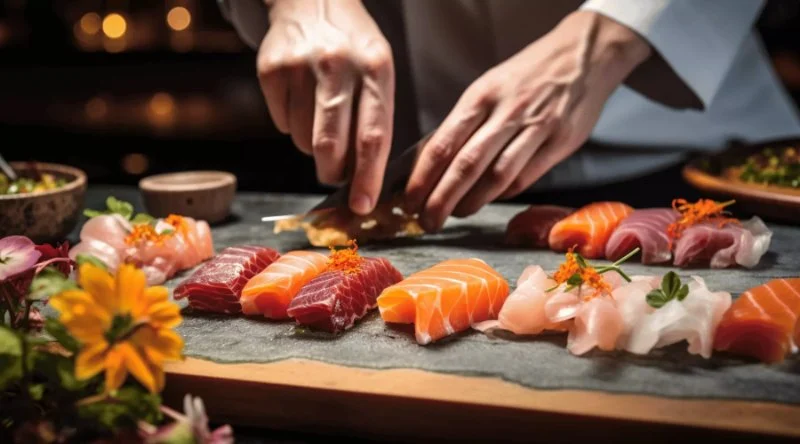
In traditional Japanese restaurant culture, chefs are trained not only as cooks but also as visual artists. The plate is treated like a canvas, and ingredients become brushstrokes that create a living painting meant to be consumed.
2. Seasonal Design and Nature-Inspired Plating Principles
2.1 Respect for Seasonal Ingredients
One of the strongest principles behind Japanese food aesthetics is seasonality. Ingredients are carefully selected based on the time of year, ensuring that each dish reflects nature’s current state. Spring dishes may include cherry blossom-inspired garnishes, while autumn plates feature warm tones like pumpkin and maple leaf shapes.
2.2 Natural Composition and Balance
Japanese plating often imitates natural landscapes. A bowl of soba might resemble a flowing river, while sashimi arrangements can mimic ocean waves. This artistic representation helps diners feel connected to nature even in urban dining environments.
2.3 Negative Space as a Design Element
Unlike crowded Western plating styles, Japanese culinary design uses empty space intentionally. This “ma” (space) allows each element on the plate to breathe, creating visual calmness and highlighting the importance of simplicity.
3. Techniques That Make Japanese Dishes Visually Stunning
3.1 Precise Knife Skills and Ingredient Shaping
Chefs in Japanese restaurants spend years mastering knife techniques. Uniform slicing of fish for sashimi or delicate vegetable carving ensures consistency and elegance in presentation.
3.2 Color Harmony and Contrast
A visually beautiful Japanese dish often balances multiple colors—green from vegetables, white from rice, red from fish, and brown from sauces. This harmony is intentional and reflects a deep understanding of visual psychology in food.
3.3 Tableware Selection and Cultural Meaning
Plates, bowls, and trays are chosen with equal care as the ingredients themselves. Ceramic textures, wooden trays, and lacquer finishes all contribute to the overall aesthetic experience.
4. Real Dining Stories and Kaiseki Experiences in Japan
One traveler visiting Kyoto described their kaiseki dinner as “eating through a season.” Each course arrived like a separate artwork, beginning with light appetizers resembling spring blossoms and ending with warm, earthy dishes reflecting late autumn tones.
Another guest in Tokyo shared an experience where a simple bowl of miso soup was served in a handcrafted ceramic bowl that looked like a miniature landscape. The presentation made the dish feel ceremonial rather than casual.
In many traditional Japanese restaurants, chefs carefully observe guests’ reactions before serving the next dish. This silent communication between chef and diner is part of the emotional storytelling embedded in Japanese culinary arts.
5. Emotional Impact of Visual Food Presentation on Guests
Visual beauty in Japanese cuisine is not just decorative—it directly affects how food is perceived emotionally. Studies in food psychology suggest that visually appealing dishes enhance taste perception and satisfaction.
In Japanese dining culture, presentation is designed to slow down the eating process. When a dish looks like a piece of art, diners naturally pause, observe, and appreciate it before eating. This creates a deeper emotional connection with food.
Even simple dishes like ramen or sushi gain emotional depth through careful plating, garnish placement, and color contrast. The experience becomes more than eating—it becomes a moment of reflection.
6. Modern Japanese Restaurants and Global Aesthetic Influence
Today, Japanese culinary aesthetics have influenced restaurants worldwide. Many chefs outside Japan incorporate minimalist plating, seasonal themes, and natural presentation styles inspired by traditional Japanese techniques.
Modern Japanese restaurants continue evolving this art form by combining traditional principles with contemporary design. Fusion dishes often maintain visual simplicity while introducing new flavors and global ingredients.
In cities like New York, Los Angeles, and London, high-end Japanese restaurants are known not just for taste but for their visual storytelling. Diners often share images of dishes on social media, reinforcing the idea that food can be both nourishment and art.
For those interested in experiencing authentic Japanese dining culture, curated platforms such as Japanese Restaurant can help explore establishments that prioritize both flavor and visual artistry.
7. Why This Art Matters and Where to Experience It
Understanding why is every bite of Japanese food visually beautiful reveals a deeper truth about Japanese culture: food is not just fuel, but a form of communication. It expresses respect for nature, seasonality, and the guest experience.
This philosophy continues to inspire chefs around the world who seek to elevate their own culinary presentations. The emphasis on detail, restraint, and harmony offers a timeless approach to food design that goes beyond trends.
Whether experienced in a high-end kaiseki restaurant in Kyoto or a modern Japanese dining space abroad, the visual beauty of Japanese food remains a powerful reminder that eating can be both sensory and emotional.
Exploring these experiences allows diners to see food in a new light—where every plate tells a story, and every bite carries artistic intention.


 Banzai4.0 (346 reviews)
 Takumi Taco4.0 (664 reviews)
 Hot Teriyaki4.0 (111 reviews)
 Tamashi Ramen Sushi- Oak Forest/Heights4.0 (482 reviews)
 JJ sushi&poke5.0 (6 reviews)
 Sushi Zono4.0 (174 reviews)
 Exploring the Menu at Fugakyu Japanese Restaurant
 The Complete Guide to Dining at Kazu Japanese Restaurant | Sushi, Tempura & More
 Signature Sushi and Ramen at Top Japanese Restaurants in NYC
 Top Dishes You Should Order at Japanese Restaurant Wasabi | Japanese Restaurant
 The History and Flavor Behind Douzo Modern Japanese Restaurant Boston
 Discover the Best Don Japanese Restaurant in Canberra for Authentic Flavors