
- 1-Why-Soy-Sauce-Varies-for-Cooking-and-Sushi-Dipping
- 2-Types-of-Japanese-Soy-Sauce-and-Their-Uses
- 3-Top-Japanese-Soy-Sauce-Brands-for-Cooking
- 4-Top-Japanese-Soy-Sauce-Brands-for-Sushi-Dipping
- 5-How-to-Choose-the-Right-Soy-Sauce-for-Your-Dish
- 6-Real Experiences-from-Culinary-Enthusiasts
- 7-Tips-for-Maximizing-Flavor-with-Soy-Sauce
- 8-Hidden-Gems-and-Lesser-Known Brands
- 9-Trends-in-Japanese-Soy-Sauce-and-Culinary-Use
1. Why Soy Sauce Varies for Cooking and Sushi Dipping
Soy sauce, or shoyu, is a cornerstone of Japanese cuisine, yet its function can vary significantly. When used for cooking, soy sauce often acts as a seasoning and coloring agent, enhancing umami without overpowering the dish. Conversely, for sushi dipping, the emphasis shifts to delicate flavor balance, highlighting the freshness of raw fish without masking its natural taste.
Understanding this distinction is crucial for anyone seeking authentic Japanese flavors. Premium sushi restaurants, such as those recommended by Japanese Restaurant, carefully select dipping soy sauces to ensure harmony with the fish's subtle nuances.
1.1 Umami Intensity Differences
Cooking soy sauces typically have a stronger, more robust umami profile designed to infuse flavor into simmered, braised, or grilled dishes. Dipping soy sauces, on the other hand, are lighter, with subtle sweetness and lower salt concentration to complement sushi and sashimi.
1.2 Fermentation and Brewing Processes
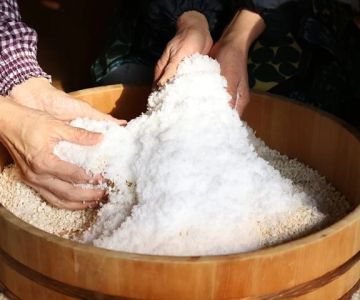
The brewing method affects the final taste. Naturally brewed soy sauces, aged for months, offer complex aromas ideal for dipping, whereas faster brewed varieties may suit cooking where prolonged heat can compensate for less subtle flavor.
2. Types of Japanese Soy Sauce and Their Uses
Japanese soy sauce comes in several varieties, each with a distinct purpose.
2.1 Koikuchi (Dark Soy Sauce)
Koikuchi is the most common type, versatile for both cooking and sushi. Its balanced saltiness and deep color make it ideal for simmered dishes, marinades, and casual sushi dips.
2.2 Usukuchi (Light Soy Sauce)
Despite the name “light,” usukuchi soy sauce has a higher salt content but lighter color, perfect for preserving the visual appeal of dishes like clear soups and tempura without darkening them.
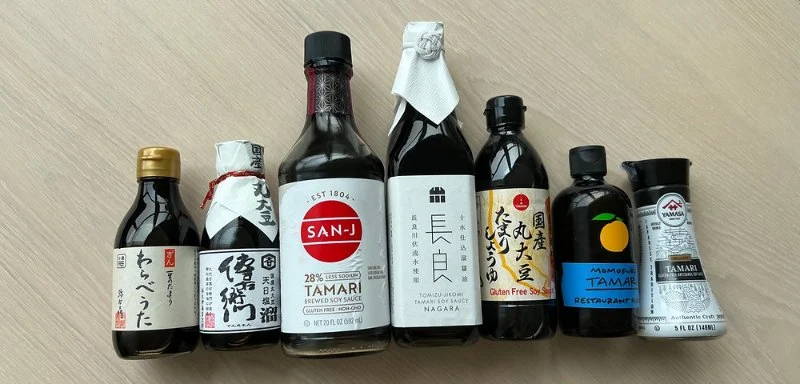
2.3 Tamari
Tamari is typically richer and less salty, often used for sashimi and sushi dipping. Its gluten-free nature is a bonus for dietary restrictions while delivering a robust umami punch.
2.4 Shiro (White Soy Sauce)
Shiro soy sauce is very light in color, emphasizing sweetness over saltiness, primarily used in delicate dishes where visual presentation matters.
3. Top Japanese Soy Sauce Brands for Cooking
For cooking, the best Japanese soy sauce brands combine depth of flavor, consistency, and versatility.
3.1 Kikkoman Naturally Brewed
Kikkoman is internationally recognized and widely available. Its naturally brewed formula enhances simmered dishes, stir-fries, and marinades with rich umami.
3.2 Yamasa
Yamasa offers a slightly sweeter profile, excellent for balancing flavors in teriyaki sauces and soups.
3.3 Marukin Koikuchi
Marukin’s koikuchi soy sauce is prized for its full-bodied flavor, ideal for braised meats, noodle broths, and stir-fried vegetables.
4. Top Japanese Soy Sauce Brands for Sushi Dipping
Sushi dipping soy sauces require delicacy and finesse.
4.1 Kikkoman Less Sodium Sushi Soy Sauce
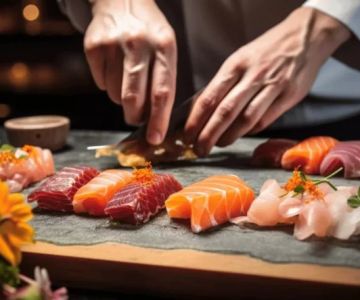
This version preserves umami while reducing salt content, allowing the natural fish flavor to shine.
4.2 Yamasa Premium Sushi Soy Sauce
Yamasa’s premium line is lightly aged, offering a smooth taste that pairs perfectly with sashimi.
4.3 Shibanuma Tamari
Shibanuma Tamari is less salty and has a velvety texture, ideal for dipping high-quality sushi and sashimi without overpowering it.
5. How to Choose the Right Soy Sauce for Your Dish
5.1 Consider the Dish Composition
Hearty cooked dishes benefit from darker, stronger soy sauces, while delicate raw preparations require lighter, nuanced options.
5.2 Check Brewing Method and Age
Naturally brewed and aged sauces develop deeper flavors. For sushi, look for bottles labeled “nama” or “junmai” to indicate careful brewing without additives.
5.3 Taste Test When Possible
Whenever possible, sample different brands before committing. Flavor balance, aroma, and mouthfeel vary significantly between manufacturers.
6. Real Experiences from Culinary Enthusiasts
Japanese Restaurant enthusiasts often share stories of discovering the perfect soy sauce pairing. One chef recounts switching from a standard dark soy to a premium tamari for sushi service, which instantly elevated customer satisfaction and highlighted the subtle flavors of fatty tuna and uni.
6.1 How Restaurants Approach Selection
High-end Japanese restaurants carefully match soy sauce to the dish, sometimes keeping multiple brands on hand for cooking versus sushi dipping.
7. Tips for Maximizing Flavor with Soy Sauce
1. Store bottles in a cool, dark place to maintain aroma.
2. Avoid overheating premium dipping sauces; use them at room temperature.
3. Combine with mirin or dashi when cooking to enhance complexity without masking fish flavor.
8. Hidden Gems and Lesser-Known Brands
Brands like Hishio, Kuki, and Ebara offer boutique soy sauces that rival top-tier options. These are often available at specialty Asian markets and provide unique flavors for both cooking and sushi enjoyment.
9. Trends in Japanese Soy Sauce and Culinary Use
Modern trends include low-sodium formulas, gluten-free tamari, and artisanal small-batch brews. Food enthusiasts increasingly seek transparency in sourcing and brewing methods, reflecting a growing appreciation for authentic Japanese culinary techniques.
By understanding the differences between soy sauces for cooking versus sushi dipping, home cooks and professional chefs alike can elevate dishes, maintain authenticity, and fully appreciate the depth of Japanese culinary tradition. For the best recommendations on brands and purchasing guidance, Japanese Restaurant offers curated insights tailored to both beginners and seasoned chefs.

 Banzai4.0 (346 reviews)
 Takumi Taco4.0 (664 reviews)
 Hot Teriyaki4.0 (111 reviews)
 Tamashi Ramen Sushi- Oak Forest/Heights4.0 (482 reviews)
 JJ sushi&poke5.0 (6 reviews)
 Sushi Zono4.0 (174 reviews)
 Exploring the Menu at Fugakyu Japanese Restaurant
 The Complete Guide to Dining at Kazu Japanese Restaurant | Sushi, Tempura & More
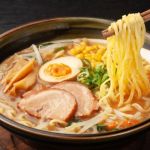 Signature Sushi and Ramen at Top Japanese Restaurants in NYC
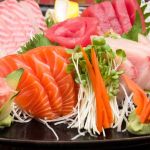 Top Dishes You Should Order at Japanese Restaurant Wasabi | Japanese Restaurant
 The History and Flavor Behind Douzo Modern Japanese Restaurant Boston
 Discover the Best Don Japanese Restaurant in Canberra for Authentic Flavors