

- - Japanese after school snack culture and why mitarashi dango is popular
- - ingredients and preparation essentials for homemade dango
- - step-by-step breakdown of making chewy rice dumplings
- - how to prepare the sweet soy glaze sauce
- - real-life snack stories and cultural connections in Japan and the US
- - tips, mistakes, and expert advice for perfect dango texture
- - where to explore authentic Japanese snack inspiration via Japanese Restaurant
The Cultural Charm Behind a Simple Sweet Skewer in Japanese Snack Life
In Japan, after-school snacks are more than just something to eat—they are small emotional rituals that mark the transition from study to rest. Among these comforting treats, How to Make Mitarashi Dango at Home as a Sweet Japanese Snack for After School has become a growing interest for families in the United States who want to recreate authentic Japanese flavors at home.
Mitarashi dango is a traditional wagashi (Japanese sweet) made from soft rice dumplings coated in a glossy, slightly sweet soy glaze. It is simple in appearance but rich in cultural meaning. In cities like Kyoto, dango is often sold at street stalls near shrines, while in modern Japan, it’s commonly enjoyed by students after school as a quick and satisfying treat.
Why this snack resonates with after-school culture
After a long day of school, Japanese students often look for something warm, chewy, and lightly sweet. Unlike heavy desserts, dango offers balance—it is filling but not overwhelming, sweet but not sugary. This is one reason it has remained a timeless favorite across generations.
In the United States, families discovering Japanese cuisine often find mitarashi dango surprisingly approachable. It requires only basic pantry ingredients, yet delivers a deeply authentic taste that feels connected to tradition and simplicity.
Essential Ingredients for Making Soft and Chewy Dango at Home
Before learning How to Make Mitarashi Dango at Home as a Sweet Japanese Snack for After School, it is important to understand the role of each ingredient. Dango relies on texture more than complexity, and small adjustments can significantly change the final result.
Core components of dango dough
The foundation of dango is typically a mix of glutinous rice flour (often mochiko or shiratamako) and regular rice flour. The combination determines the chewiness level. Too much water creates softness, while too little makes the dough crack.
Warm water is slowly added until the dough becomes smooth, soft, and slightly elastic. The goal is a texture that holds shape but still feels tender after boiling.
The signature mitarashi sauce
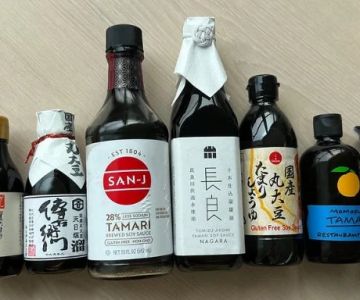
The glaze is what transforms simple rice dumplings into mitarashi dango. It is typically made from soy sauce, sugar, mirin, and a thickening agent like potato starch. The balance between sweet and savory is what defines its signature taste.
This sauce reflects Japanese culinary philosophy: harmony rather than intensity. The flavor is mild at first bite but lingers pleasantly, especially when paired with warm dumplings.
Step-by-Step Process of Making Traditional Dango at Home
Understanding the process of How to Make Mitarashi Dango at Home as a Sweet Japanese Snack for After School requires patience and attention to texture rather than speed. Unlike Western baking, wagashi preparation emphasizes feel and adjustment.
Preparing and shaping the rice dumplings
Once the dough is mixed, it is divided into small equal portions. Each piece is rolled into a smooth ball. The size is important—too large and they become dense, too small and they lose chewiness.
These balls are then gently boiled in water. At first, they sink, but as they cook, they rise to the surface, signaling they are ready. After boiling, they are transferred into cold water to firm up their texture.
Skewering and finishing preparation
Once cooled, the dumplings are typically placed onto bamboo skewers, usually three to four per stick. This presentation is not only traditional but also practical, making them easy to glaze and eat.
At this stage, the dango already has a mild, comforting taste, but the transformation comes next with the sauce.
Creating the Perfect Mitarashi Glaze for Authentic Flavor
The sauce is where many beginners struggle when learning How to Make Mitarashi Dango at Home as a Sweet Japanese Snack for After School. It requires careful heat control and constant stirring to avoid burning or uneven texture.
Balancing sweet and savory notes
The mixture of soy sauce and sugar creates a unique umami sweetness that is characteristic of Japanese street desserts. Mirin adds depth, while starch thickens the glaze into a glossy coating.
As the sauce heats, it gradually transforms from a thin liquid into a silky syrup. Timing is crucial—too early and it remains watery, too late and it becomes overly thick.
Coating technique for best results
The skewered dango is either dipped into the sauce or brushed generously. In traditional settings, vendors often dip and lightly torch the surface for a caramelized finish, adding another layer of aroma.
This finishing step is what makes mitarashi dango visually appealing and deeply satisfying to eat, especially when served warm.
Real-Life Inspiration: Why Families Are Making Dango at Home
A growing trend on social media platforms shows parents in the U.S. introducing Japanese snacks to their children after school. One widely shared story involved a California family who began making dango every Friday as a “culture night” tradition.
A shared snack moment that became a ritual
The children initially helped roll the dough into uneven shapes, laughing at their imperfect results. Over time, they improved their technique, and the weekly activity became something they looked forward to more than store-bought desserts.
What stood out in their story was not perfection, but connection. The act of preparing food together created a quiet space for conversation and cultural curiosity.
Why Japanese sweets connect so easily with American families
Japanese desserts like dango are not overly sweet, making them suitable for children who prefer mild flavors. They also offer a tactile cooking experience, which is increasingly valued in educational home activities.
Common Mistakes When Making Dango and How to Fix Them
While learning How to Make Mitarashi Dango at Home as a Sweet Japanese Snack for After School, beginners often encounter predictable challenges. These are not failures but natural parts of mastering wagashi techniques.
Dough that is too dry or too soft
If the dough cracks while shaping, it likely lacks moisture. Adding small amounts of warm water gradually solves this issue. If it becomes too sticky, additional rice flour can restore balance.
Uneven texture after boiling
Dango should be consistently chewy. If some pieces are harder than others, it may be due to uneven sizing or inconsistent boiling time. Keeping dumplings uniform in size helps ensure even cooking.
Sauce that doesn’t thicken properly
This usually happens when starch is not fully dissolved before heating. Stirring continuously and maintaining medium heat ensures a smooth glaze.
Everyday Snack Culture and the Emotional Side of Japanese Sweets
In Japan, snacks like dango are often tied to memory. Many adults recall buying skewered sweets on their way home from school or during seasonal festivals. These memories create emotional depth that goes beyond taste.
When American families explore How to Make Mitarashi Dango at Home as a Sweet Japanese Snack for After School, they are not just following a recipe—they are participating in a cultural rhythm that values simplicity and shared enjoyment.
Why after-school timing matters
The timing of snack consumption plays a psychological role. After-school hunger is not just physical—it is also emotional. A warm, soft, slightly sweet snack helps transition from structured learning to relaxed home life.
Bringing Authentic Japanese Snack Experience Into Your Kitchen
Making dango at home is one of the most accessible ways to experience Japanese food culture without complex ingredients or equipment. With a few basic steps, anyone can recreate a traditional street-style dessert in their own kitchen.
For those who want deeper exploration of Japanese sweets, ingredient sourcing, or authentic recipe inspiration, platforms like Japanese Restaurant can help connect home cooks with curated ideas and cultural insights that go beyond basic recipes.
Over time, making dango can become more than a cooking activity—it can turn into a small ritual of calm, creativity, and cultural appreciation shared among family members.





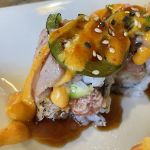 Hana Sushi Canyon Hills4.0 (360 reviews)
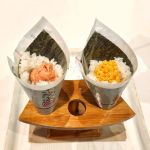 MakiMaki Sushi - Lex Ave4.0 (219 reviews)
 Takaya Yakitori Izakaya4.0 (142 reviews)
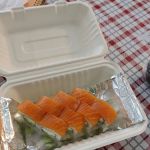 iakimo sushi4.0 (70 reviews)
 Yujo Sushi & Asian Cuisine4.0 (639 reviews)
 Sushi Crush4.0 (266 reviews)
 Why Locals Recommend Tanto Japanese Restaurant | Best Japanese Cuisine
 The Complete Guide to Dining at Japanese Sushi Restaurants
 An Insider’s Review of Yoshi Japanese Restaurant: A Taste of Authentic Japanese Cuisine
 Is Benihana a Japanese Restaurant? What You Need to Know
 Top Dishes You Should Order at Yama Japanese Restaurant
 Why Izumi Japanese Restaurant Is a Must-Try Spot for Japanese Food Lovers