
- #rise-of-japanese-pizza-in-us - Rise of Japanese Style Pizza in the US Market
- #mayo-corn-squid-toppings-explained - Why Mayo, Corn, and Squid Work on Pizza
- #delivery-crust-evolution-in-america - How Delivery Crusts Changed Japanese Pizza Fusion
- #real-food-stories-and-viral-trends - Real Ordering Stories and Viral Food Trends
- #how-to-choose-best-japanese-pizza - How to Choose the Best Japanese Style Pizza
- #future-of-fusion-pizza-culture - Future of Japanese Fusion Pizza in the US
Rise of Japanese Style Pizza in the US Market
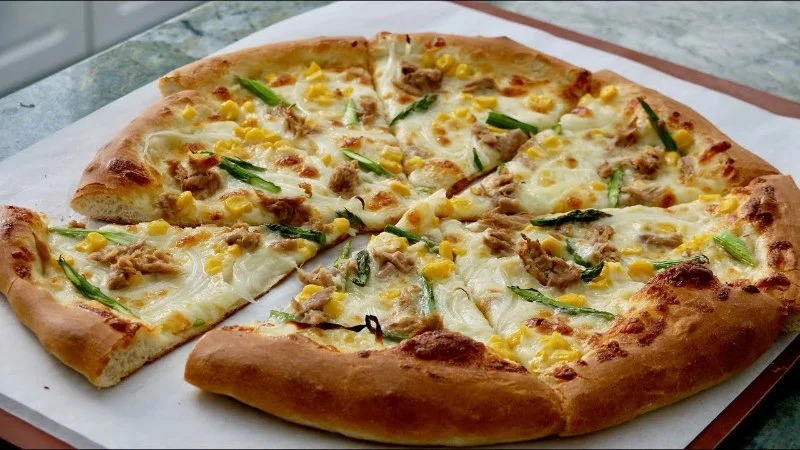
Japanese-style pizza has quietly shifted from a niche curiosity to a recognizable trend across the United States food delivery scene. Unlike traditional Neapolitan or New York-style pizzas, Japanese-inspired versions lean into unexpected toppings, lighter sauces, and a balance of sweet, savory, and umami flavors that challenge what many Americans expect from pizza.
The phrase “Best Japanese Pizza Toppings in the US: Mayo, Corn and Squid on Delivery Crusts” reflects a growing curiosity among food lovers who are exploring fusion cuisine beyond sushi and ramen. Delivery platforms have played a huge role in spreading this trend, making it easy for consumers in cities like Los Angeles, New York, Seattle, and Chicago to try Japanese-inspired pizzas without visiting specialty restaurants.
One interesting shift is how younger consumers, especially Gen Z food explorers, are more open to toppings like sweet corn and seafood combinations. What once seemed unusual is now seen as adventurous dining rather than unconventional food experimentation.
Why Mayo, Corn, and Squid Work on Pizza
At first glance, mayonnaise, corn, and squid might seem like unusual pizza toppings. However, in Japanese cuisine, these ingredients are deeply rooted in balance and texture, which translates surprisingly well onto pizza crusts.
Japanese Mayonnaise: Creamy Umami Layer
Japanese mayonnaise is richer, slightly sweeter, and more egg-forward than typical Western versions. On pizza, it adds a creamy umami layer that enhances both seafood and vegetable toppings. Instead of overpowering the dish, it binds flavors together in a cohesive bite.
Sweet Corn: Texture and Natural Sweetness
Corn is a common topping in Japan, especially on pizzas inspired by street food and even ramen culture. Its natural sweetness contrasts with salty cheese and savory sauces, creating a layered flavor profile that feels both comforting and surprising.
Squid: Ocean Freshness and Chew Factor
Squid adds a slightly chewy texture and briny seafood flavor that elevates the pizza into something more complex. In Japanese culinary tradition, squid is often paired with soy-based sauces or grilled preparations, making it a natural fit for fusion pizza interpretations.
Together, these toppings create a harmony that reflects Japanese food philosophy: balance, subtle contrast, and texture diversity rather than overwhelming richness.
How Delivery Crusts Changed Japanese Pizza Fusion
The rise of food delivery apps in the US has significantly influenced how Japanese-style pizza is prepared and consumed. Delivery crusts are now engineered for longer travel times, ensuring that toppings like mayo-based sauces and seafood retain their integrity upon arrival.
Unlike dine-in pizzas, delivery-focused Japanese pizzas often feature slightly thicker crusts or moisture-resistant bases. This prevents sogginess when creamy ingredients like mayo or seafood juices interact with the dough during transit.
A notable trend in cities like San Francisco and Seattle is the adaptation of “fusion-friendly crusts,” which are designed to handle unconventional toppings without losing texture. This innovation has helped Japanese pizza concepts thrive in the competitive US delivery market.
Platforms such as Japanese Restaurant have helped connect curious diners with restaurants experimenting with these delivery-optimized recipes, making it easier to explore authentic fusion flavors from home.
Real Ordering Stories and Viral Food Trends
One of the most talked-about viral food trends on social media involved a TikTok creator ordering a mayo-corn-squid pizza in Los Angeles. The video initially sparked confusion, but quickly gained millions of views as viewers became intrigued by the combination of flavors.
The creator described the first bite as “unexpectedly creamy and ocean-fresh,” highlighting how perception changes once ingredients are experienced together rather than imagined individually.
Another real-world example comes from Chicago, where a Japanese fusion restaurant reported a 40% increase in orders after introducing a seasonal squid pizza topped with corn and spicy mayo drizzle. Customers initially skeptical often returned for repeat orders after trying it once.
These stories reflect a broader cultural shift: American diners are increasingly open to global fusion dishes that challenge traditional expectations of pizza.
How to Choose the Best Japanese Style Pizza
Selecting the right Japanese-inspired pizza involves more than just picking toppings. It requires understanding flavor balance, ingredient freshness, and preparation style.
1. Evaluate Ingredient Authenticity
Look for restaurants that use authentic Japanese mayonnaise, fresh seafood, and high-quality corn. Ingredient sourcing plays a major role in achieving the intended flavor profile.
2. Consider Crust Compatibility
Not all crusts support fusion toppings equally. A well-prepared Japanese-style pizza typically uses a crust that is slightly chewy yet sturdy enough to handle creamy sauces and seafood moisture.
3. Balance Flavor Intensity
The best Japanese pizzas avoid overwhelming spice or heaviness. Instead, they focus on layered flavors—light sweetness, mild saltiness, and umami depth.
4. Explore Restaurant Specialization
Restaurants specializing in Japanese fusion cuisine are more likely to refine these combinations properly. Platforms like Japanese Restaurant can help users discover highly rated spots offering authentic interpretations.
Future of Japanese Fusion Pizza in the US
The future of Japanese-style pizza in the United States looks increasingly dynamic. As consumer interest in global cuisine grows, fusion dishes are becoming mainstream rather than niche.
One emerging trend is customization. Many restaurants now allow customers to build their own Japanese-inspired pizzas, combining ingredients like teriyaki chicken, squid, corn, and flavored mayo variations. This interactive approach aligns with modern dining preferences.
Another trend is health-conscious fusion. Some chefs are experimenting with lighter sauces, whole grain crusts, and reduced-fat mayonnaise alternatives while preserving the signature Japanese flavor identity.
There is also a growing influence of regional American ingredients being integrated into Japanese-style pizzas, creating hybrid dishes that reflect local tastes while maintaining Japanese culinary principles.
As delivery platforms continue to evolve, Japanese pizza toppings like mayo, corn, and squid are expected to become more common in urban food scenes. What once felt experimental is gradually becoming part of the broader American fusion food landscape.
The evolution of this cuisine shows how cultural exchange continues to reshape everyday food experiences, one delivery crust at a time.

 Hana Sushi Canyon Hills4.0 (360 reviews)
 MakiMaki Sushi - Lex Ave4.0 (219 reviews)
 Takaya Yakitori Izakaya4.0 (142 reviews)
 iakimo sushi4.0 (70 reviews)
 Yujo Sushi & Asian Cuisine4.0 (639 reviews)
 Sushi Crush4.0 (266 reviews)
 Why Locals Recommend Tanto Japanese Restaurant | Best Japanese Cuisine
 The Complete Guide to Dining at Japanese Sushi Restaurants
 An Insider’s Review of Yoshi Japanese Restaurant: A Taste of Authentic Japanese Cuisine
 Is Benihana a Japanese Restaurant? What You Need to Know
 Top Dishes You Should Order at Yama Japanese Restaurant
 Why Izumi Japanese Restaurant Is a Must-Try Spot for Japanese Food Lovers