
- vegetarian-japanese-restaurant-near-me-plant-based-dining-experience
- plant-based-sushi-ramen-and-small-plates-explained
- how-to-choose-authentic-vegetarian-japanese-restaurants
- real-dining-story-plant-based-japanese-meal-experience
- modern-japanese-vegetarian-trends-in-us-restaurant-scene
Exploring the Rise of Vegetarian Japanese Dining in the U.S.
Searching for a vegetarian Japanese restaurant near me is no longer a niche request. Across major U.S. cities like Los Angeles, New York, and Seattle, plant-based Japanese cuisine has evolved from a rare option into a thriving culinary category. Chefs are now reimagining traditional dishes like sushi, ramen, and small plates using vegetables, tofu, seaweed, and innovative plant-based proteins.
What makes this trend especially interesting is how closely it respects traditional Japanese culinary philosophy. Even without fish or meat, the focus remains on balance, umami depth, seasonal ingredients, and visual harmony. Many diners are surprised that vegetarian Japanese food can feel just as rich and satisfying as classic versions.
Platforms like Japanese Restaurant help diners discover authentic plant-based Japanese dining experiences tailored to modern dietary preferences without sacrificing tradition or flavor complexity.
Understanding Plant-Based Sushi, Ramen, and Small Plates
Reimagined Sushi Without Fish
Plant-based sushi is one of the most creative parts of vegetarian Japanese cuisine. Instead of tuna or salmon, chefs use ingredients like avocado, pickled daikon, grilled eggplant, marinated shiitake mushrooms, and even watermelon styled to mimic tuna texture.
A popular example from a Los Angeles vegan sushi bar includes “spicy mango rolls” that combine sweetness with chili-infused vegan mayo, creating a layered flavor profile similar to traditional spicy tuna rolls.
Vegan Ramen with Deep Umami Broth
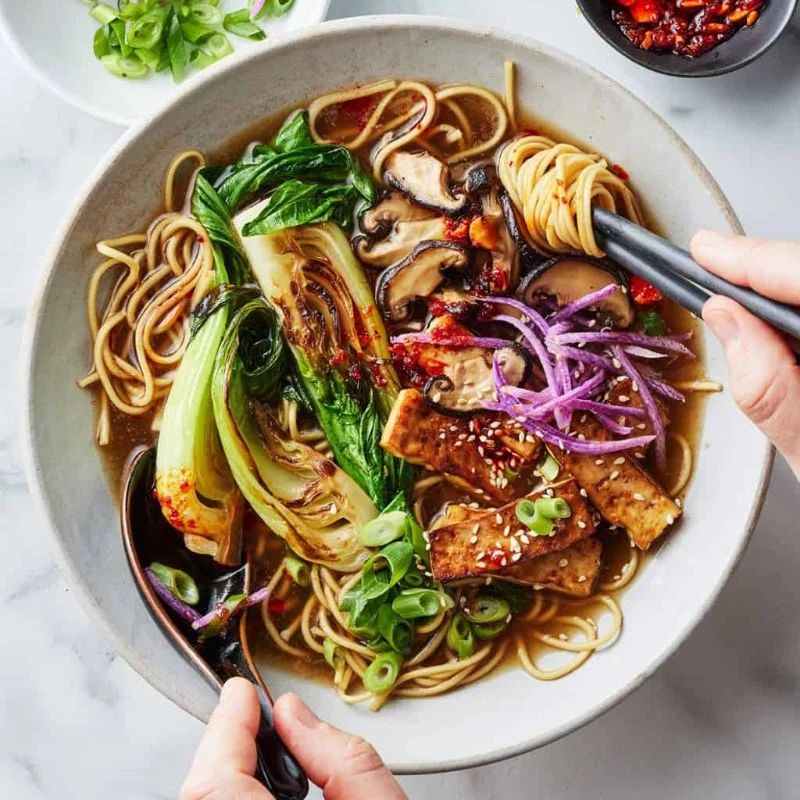
Ramen is often considered difficult to veganize, but chefs have mastered plant-based broths using kombu, roasted vegetables, miso paste, and mushroom stock. These broths often simmer for hours to achieve depth.
A trending dish in New York’s vegetarian Japanese scene is truffle miso ramen, which delivers a rich aroma without any animal products. The broth complexity often surprises first-time diners expecting a lighter taste.
Small Plates and Izakaya-Style Vegetables
Vegetarian Japanese small plates draw inspiration from traditional izakaya dining culture. These dishes include agedashi tofu, crispy tempura vegetables, sesame spinach, and seaweed salads.
What makes these plates special is the layering of texture—crispy, soft, chilled, and warm elements often appear in the same meal, creating a dynamic dining experience.
What Makes a Great Vegetarian Japanese Restaurant
Ingredient Authenticity and Seasonal Focus
A high-quality vegetarian Japanese restaurant near me search should prioritize places that respect seasonal ingredients. Authentic Japanese cuisine is deeply seasonal, and vegetarian versions should reflect that same philosophy.
Umami Without Meat or Fish
One of the most important qualities is umami depth. Restaurants achieve this through mushrooms, fermented soy products, seaweed, and aged miso. Without these elements, vegetarian dishes can feel flat or incomplete.
Balance Between Tradition and Innovation
The best restaurants do not simply remove meat—they reinterpret dishes. A great example is replacing eel in sushi with glazed eggplant while keeping the same sauce profile and texture layering.
Real Dining Experience: A Plant-Based Sushi Night in San Francisco
A traveler in San Francisco recently shared their experience dining at a fully vegetarian Japanese restaurant after searching for a vegetarian Japanese restaurant near me while exploring the city’s Mission District.
The meal began with chilled tofu topped with ginger and scallions, followed by avocado-mango sushi rolls that delivered a surprising richness. The highlight was a mushroom-based ramen that had been simmered for over 12 hours.
What stood out most was not the absence of fish or meat, but the attention to detail in flavor layering. The diner noted that each bite felt intentional, almost meditative.
Why Plant-Based Japanese Cuisine Is Growing Rapidly
Health and Lifestyle Shifts
More Americans are adopting plant-based diets for health and sustainability reasons. Japanese cuisine naturally aligns with these goals due to its emphasis on vegetables, fermented foods, and light preparation methods.
Social Media Influence
Instagram and TikTok have played a huge role in popularizing visually stunning plant-based sushi rolls and colorful ramen bowls. Many viral videos show chefs crafting intricate vegetarian dishes that rival traditional presentations.
Restaurant Innovation and Chef Creativity
Chefs are increasingly experimenting with textures and flavors that replicate seafood experiences without using animal products. This innovation has significantly expanded menu diversity across the U.S.
How to Choose the Right Spot for Your Next Meal
When selecting a vegetarian Japanese restaurant, it helps to look beyond menu labels. A strong restaurant will explain its ingredient sourcing, broth preparation methods, and seasonal rotation practices.
You can also explore curated listings through Japanese Restaurant to find places specializing in plant-based sushi, ramen, and small plates tailored to different dietary preferences.
Reading reviews that mention flavor depth, texture variety, and authenticity can also help identify truly high-quality dining spots.
Modern Trends in Vegetarian Japanese Dining
Fusion Influences
Many restaurants now blend Japanese techniques with global plant-based trends. You might find sushi rolls infused with Mediterranean herbs or ramen featuring Western-style roasted vegetables.
Premium Plant-Based Ingredients
Luxury ingredients like truffle oil, artisanal tofu, and organic seaweed are becoming more common, elevating vegetarian dishes to fine dining status.
Interactive Dining Experiences
Some restaurants offer chef’s tasting menus where diners experience a curated journey of vegetarian Japanese flavors, often changing monthly based on seasonal availability.
Why This Dining Style Feels Surprisingly Satisfying
Many first-time diners searching for a vegetarian Japanese restaurant near me expect simplicity, but instead discover complexity. The layering of umami, texture, and temperature creates a dining experience that feels complete without relying on meat or fish.
It is this balance that keeps people returning—not as a substitute for traditional Japanese cuisine, but as a distinct and equally rewarding culinary experience.



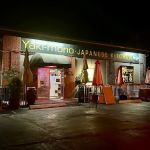 Yaki-mono4.0 (118 reviews)
 Genji Sushi3.0 (14 reviews)
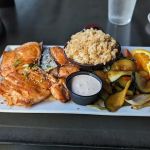 Tsunami restaurant4.0 (1171 reviews)
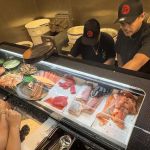 Little Japan4.0 (55 reviews)
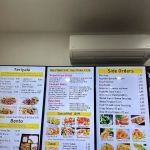 Ninja Japan4.0 (289 reviews)
 Miyazaki Hand Roll Bar3.0 (3 reviews)
 Exploring the Menu at Bozu Japanese Restaurant
 An Insider’s Review of A1 Japanese Restaurant
 Won Japanese Restaurant: A Modern Masterpiece of Japanese Dining
 Signature Sushi and Ramen at Miyabi Japanese Restaurant
 An Insider’s Review of Nagomi Japanese Restaurant
 Why Locals Recommend Aki Japanese Restaurant