
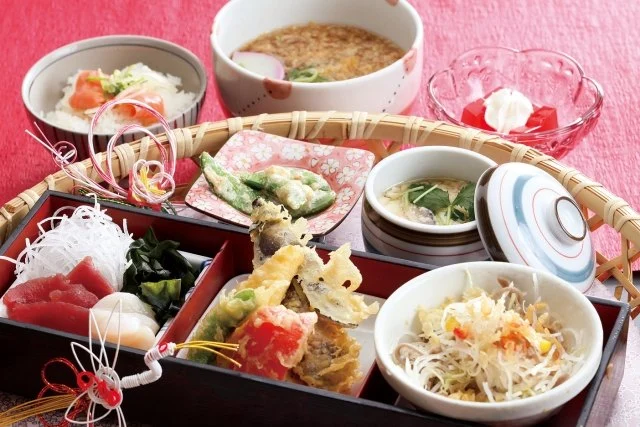
- washoku-introduction-basics - Understanding the meaning and cultural roots of Japanese cuisine
- unesco-recognition-washoku - Why Washoku became an Intangible Cultural Heritage
- principles-japanese-dining - Core philosophy: seasonality, balance, and harmony
- real-life-examples-washoku - How Washoku appears in everyday meals and restaurants
- modern-influence-japanese-cuisine - How traditional food culture shapes global dining today
Understanding the Essence Behind Traditional Japanese Food Culture
Washoku is more than just a style of cooking—it represents a deeply rooted cultural approach to food that reflects respect for nature, seasonal awareness, and social harmony. In Japan, meals are not treated as simple fuel for the body. Instead, they are carefully composed experiences where taste, presentation, and balance all matter equally.
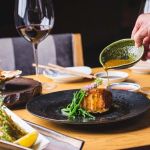
When people first encounter Japanese cuisine, they often notice the precision in plating or the subtle flavors that feel light yet satisfying. This is not accidental. It is the result of centuries of refinement that eventually led Washoku to be recognized globally as a cultural treasure.
Why Washoku Became a UNESCO Intangible Cultural Heritage
In 2013, Washoku was officially added to the UNESCO Intangible Cultural Heritage list. This recognition was not just about food—it was about preserving a way of life. UNESCO highlighted Washoku because it reflects a deep respect for natural ingredients, traditional techniques, and seasonal cycles.
The cultural meaning behind UNESCO recognition
Unlike many culinary traditions that focus primarily on taste or technique, Washoku emphasizes the relationship between people and nature. Meals often reflect what is harvested locally and seasonally, creating a natural rhythm between the environment and daily life.
A real-world example from everyday Japanese dining
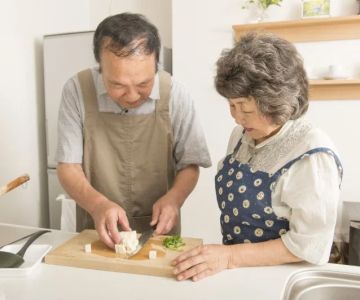
A simple home-cooked meal in Japan might include rice, miso soup, grilled fish, and seasonal vegetables. Nothing is overly complex, yet each component is intentional. A Tokyo-based home cook once shared how her grandmother refused to serve strawberries in winter, saying that “food must respect the season, not fight it.” This mindset captures the spirit behind Washoku perfectly.
The Core Principles That Define Washoku
At the heart of Washoku are several guiding principles that shape both home cooking and professional Japanese cuisine. These principles are not strict rules but rather cultural values that influence how meals are created and enjoyed.
Seasonality as a guiding force
Seasonality is central to Japanese cuisine. Ingredients are chosen at their peak freshness, ensuring natural flavor without excessive seasoning. Spring bamboo shoots, summer eel, autumn mushrooms, and winter hot pots all reflect this seasonal approach.
Balance of taste, texture, and appearance
A traditional Japanese meal aims to balance five tastes: sweet, salty, sour, bitter, and umami. But balance also extends to texture and visual presentation. Soft tofu might be paired with crunchy vegetables, while colorful garnishes enhance visual appeal.
The philosophy of simplicity and respect
Washoku is not about complexity. It is about allowing ingredients to speak for themselves. This philosophy encourages minimal waste and deep respect for nature’s offerings.
Umami and the Scientific Side of Japanese Cuisine
One of the most fascinating aspects of Washoku is its relationship with umami, often described as the “fifth taste.” Discovered scientifically in Japan, umami adds depth and richness to food without heaviness.
How umami shapes flavor perception
Ingredients like miso, soy sauce, seaweed, and bonito flakes naturally contain high levels of umami. When combined, they create a layered taste experience that feels satisfying even in simple dishes.
Everyday example: miso soup
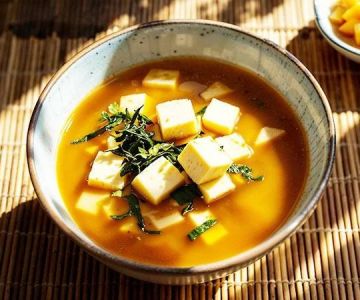
Miso soup is often overlooked, but it is a perfect example of umami balance. The combination of fermented soybean paste, seaweed, and dashi broth creates a comforting flavor that is both light and deeply savory.
Washoku in Modern Japanese Dining Culture
Although Washoku is rooted in tradition, it continues to evolve. Modern chefs in Japan and around the world reinterpret classic techniques while maintaining respect for core principles.
From home kitchens to high-end restaurants
In Tokyo, Kyoto, and Osaka, you can find everything from family-run eateries to Michelin-starred restaurants that follow Washoku principles. Even convenience store meals in Japan reflect attention to balance and presentation.
A personal dining story from Kyoto
A traveler once described dining at a small Kyoto restaurant where the chef served a seasonal kaiseki meal. Each dish was served individually, representing a different aspect of the season. The experience was less about fullness and more about appreciation—an edible reflection of time and nature.
For readers who want to explore authentic Japanese dining experiences or discover restaurants that stay true to traditional values, platforms like Japanese Restaurant can help guide you toward carefully selected dining options and culinary experiences.
How Washoku Influences Global Food Culture
Washoku has significantly influenced global dining trends, especially in health-conscious and sustainability-focused cuisine. Many chefs outside Japan now incorporate Japanese techniques such as fermentation, seasonal sourcing, and minimalist plating.
Health and wellness connection
Because Washoku emphasizes fresh ingredients and balanced portions, it naturally aligns with modern wellness trends. It is often associated with longevity and healthy eating habits.
Global adaptation of Japanese principles
Restaurants in cities like New York, London, and Los Angeles increasingly adopt Washoku-inspired menus. Even fusion cuisine often borrows elements such as miso glazes, dashi-based sauces, and pickled vegetables.
The Emotional Side of Japanese Dining Traditions
Beyond technique and nutrition, Washoku carries emotional meaning. Meals are often shared with family and reflect gratitude for nature, farmers, and seasonal cycles.
Food as a form of connection
In many Japanese households, saying “itadakimasu” before eating is a way of expressing gratitude for the food and everyone involved in preparing it. This small ritual reflects a larger cultural mindset of appreciation.
Modern reflection on traditional values
Even in fast-paced urban life, many Japanese people still hold onto these traditions. It is common for office workers in Tokyo to carefully select bento boxes that balance nutrition and presentation, even during busy schedules.
Why Washoku Continues to Inspire Food Lovers Worldwide
Washoku stands out because it connects food with culture, nature, and emotion. It is not just about what is eaten, but how and why it is eaten. This holistic approach continues to inspire chefs, home cooks, and food enthusiasts globally.
As more people seek meaningful dining experiences, the philosophy behind Washoku offers a refreshing alternative to fast, processed food culture. It reminds us that meals can be simple, beautiful, and deeply satisfying at the same time.

 Izakaya Sozai4.0 (617 reviews)
 KOI ASIAN BISTRO & Sushi4.0 (252 reviews)
 Ginzaya4.0 (215 reviews)
 Takara Ayce4.0 (69 reviews)
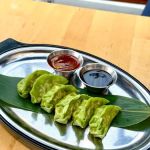 RAKIRAKI Ramen & Tsukemen4.0 (89 reviews)
 Bento House4.0 (502 reviews)
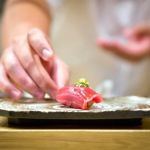 Why Locals Recommend Good Japanese Restaurants in NYC
 The History and Flavor Behind Takara Japanese Restaurant: A Culinary Journey
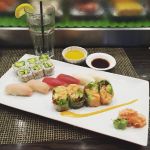 An Insider’s Review of Oishi Japanese Restaurant
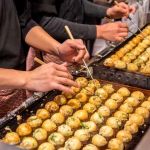 Where to Buy a Takoyaki Pan in the US: Cast Iron vs Electric Guide
 Why Locals Recommend Japanese Sushi Restaurant for Authentic Dining
 How to Flavor Carrots Like a Japanese Restaurant – Easy Home Recipe