
- what-is-ikura-basics-salmon-roe-explained
- how-to-cure-salmon-roe-step-by-step-home-method
- best-ways-to-use-ikura-sushi-donburi-and-more
- common-mistakes-and-how-to-store-cured-roe
Understanding Ikura: The Ocean’s Most Delicate Flavor Burst
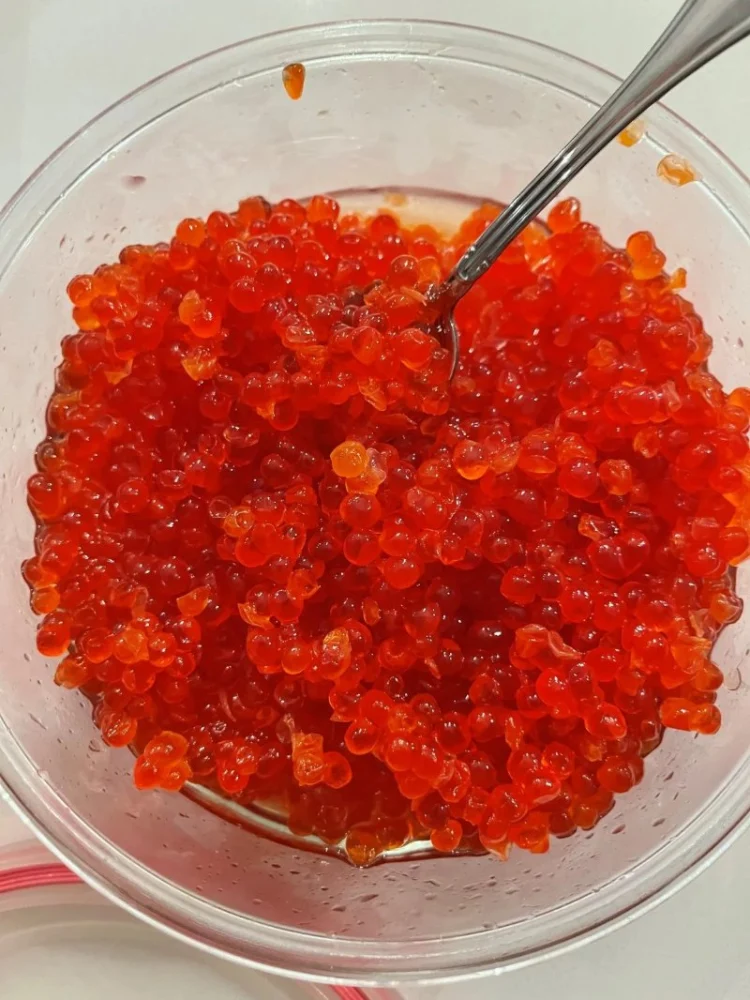
Ikura is the Japanese term for salmon roe—those glossy, orange-red pearls that burst with a rich, briny sweetness when you bite into them. While it often shows up as a luxurious topping on sushi or donburi bowls, ikura is more than just a garnish. It represents a careful balance between texture, freshness, and preservation technique that has been refined in Japanese cuisine for generations.
In many coastal Japanese households, preparing salmon roe is a seasonal tradition. Families wait for fresh salmon runs, extract the roe sacs, and cure them at home using saltwater or soy-based marinades. The process is surprisingly accessible once you understand the fundamentals, and the result is far superior to many store-bought versions in both flavor and texture.
For those exploring authentic Japanese ingredients at home, trusted culinary sources like Japanese Restaurant often highlight ikura as one of the most versatile seafood components for modern cooking.
The Nature of Salmon Roe and Why Curing Matters
Fresh Roe vs. Cured Ikura
Fresh salmon roe comes encased in a thin membrane known as the skein. In its raw state, it is fragile, slightly bitter, and not yet ideal for eating. Curing transforms it into ikura by separating the eggs and enhancing their natural umami flavor.
The curing process does two important things: it removes impurities and stabilizes texture. Without curing, the eggs would be too soft and inconsistent for sushi or rice bowls. With curing, they become firm, glossy, and ready to absorb subtle seasoning.
Why Texture Is Everything
The defining characteristic of good ikura is the “pop.” When properly cured, each egg should hold its shape but burst gently under light pressure. This texture is what makes ikura so addictive in sushi and donburi dishes.
Chefs often describe ikura as a “controlled explosion of ocean flavor,” and that description is surprisingly accurate once you taste properly cured roe for the first time.
Step-by-Step Guide: How to Cure Salmon Roe at Home
Step 1: Preparing the Roe
Start with fresh salmon roe still inside the skein. Place it in a bowl of warm (not hot) salted water. Gently massage the membrane using your fingers or a chopstick. The goal is to release individual eggs without breaking them.
This step can feel delicate at first. Many home cooks make the mistake of being too aggressive, which damages the roe. Patience is key here. The membrane will gradually loosen, allowing the eggs to fall away naturally.
Step 2: Cleaning the Eggs
Once separated, rinse the eggs in cold water several times. You may notice small bits of connective tissue floating away—this is normal. Continue rinsing until the water becomes mostly clear.
Some chefs recommend using a fine mesh strainer to gently shake off remaining debris without applying pressure. This helps maintain the integrity of each egg.
Step 3: Salt Brining or Soy-Based Cure
There are two main curing methods:
Salt brine produces a clean, ocean-forward flavor. Soy-based curing (often called shoyu ikura) adds depth, sweetness, and umami richness.
For a simple salt cure, dissolve sea salt in cold water until it tastes like seawater. Soak the roe for 10–15 minutes, then drain. For soy curing, combine soy sauce, mirin, and a touch of sake, then soak for several hours.
Step 4: Resting and Flavor Development
After curing, transfer the roe to a glass container and let it rest in the refrigerator. This resting phase allows the flavor to fully develop and the texture to stabilize.
Many home cooks notice that ikura tastes significantly better after 12–24 hours compared to immediately after curing. The seasoning penetrates deeper, creating a more balanced flavor profile.
How Ikura Is Used in Sushi and Donburi
Ikura Sushi (Gunkan Style)
One of the most iconic presentations is gunkan-maki, or “battleship sushi.” A strip of nori seaweed wraps around a rice base, creating a cup that holds the ikura. The roe is spooned on top, forming a glistening mound.
The contrast between the salty seaweed, vinegared rice, and bursting roe creates a layered experience that defines Japanese sushi craftsmanship.
Ikura Donburi (Rice Bowl)
Ikura donburi is a comfort dish often served in Japanese homes. A bowl of warm rice is topped generously with cured salmon roe, sometimes paired with raw salmon slices or shredded nori.
A memorable story shared by many food enthusiasts involves visiting Hokkaido, where fishermen serve freshly cured ikura over rice right on the docks. The simplicity of the dish highlights the ingredient’s natural quality.
If you're exploring authentic serving ideas or sourcing ingredients, Japanese Restaurant offers inspiration for building traditional and modern ikura dishes at home.
Common Mistakes When Making Ikura at Home
Overhandling the Roe
The most common mistake is being too rough during separation. Broken eggs lead to a mushy texture and cloudy brine. Gentle handling is essential.
Incorrect Salt Levels
Too much salt can make ikura overly firm and dry, while too little leaves it unstable. The balance should mimic natural seawater intensity.
Skipping the Resting Phase
Many beginners skip refrigeration time, but this step is crucial for flavor development. Ikura that hasn’t rested often tastes flat or overly salty.
Storage and Shelf Life Considerations
Properly cured ikura should be stored in a sealed glass container in the refrigerator. It typically lasts up to one week, although flavor is best within the first three to five days.
For longer storage, freezing is possible, but it slightly alters texture. Many chefs recommend consuming it fresh whenever possible for the best culinary experience.
Real Kitchen Insight: Why Homemade Ikura Feels Different
A home cook in Seattle once shared how making ikura became a family tradition after a trip to Japan. What started as a curiosity turned into a seasonal ritual every fall. Each batch reflected subtle differences depending on salt ratio, curing time, and freshness of roe.
This variability is part of what makes homemade ikura so rewarding. Unlike factory-processed versions, home curing allows personal adjustment of flavor intensity and texture preference.
Over time, many cooks develop their own signature curing style—some prefer light and clean, others rich and soy-forward.
Bringing Ikura Into Everyday Cooking
While ikura is often associated with luxury sushi restaurants, it can easily be incorporated into everyday meals. It pairs beautifully with avocado toast, scrambled eggs, pasta, and even salads.
Its versatility comes from its natural saltiness and burst-like texture, which enhances both simple and complex dishes.
Experimenting with ikura at home can transform ordinary meals into restaurant-quality experiences, especially when paired thoughtfully with complementary ingredients.
 jing's sushi house4.0 (459 reviews)
 Kumo Sushi4.0 (454 reviews)
 969 NYC Coffee4.0 (465 reviews)
 Pokeworks4.0 (340 reviews)
 Ramen Hub & Sushi - Long Beach4.0 (1878 reviews)
 Hibachi Express Japanese Restaurant4.0 (236 reviews)
 Douzo Modern Japanese Restaurant Review | Best Sushi and Japanese Dining in Boston
 Why Goshi Japanese Restaurant SLO Is a Must-Try Spot for Japanese Food Lovers
 The History and Flavor Behind Sasa Japanese Restaurant
 Signature Sushi and Ramen at Yamato Japanese Restaurant
 Why Locals Recommend Yamato Japanese Restaurant in Los Angeles
 Why Locals Recommend Japanese Restaurant Bellevue – A Local Favorite