
- Why Tempura Loses Crispiness After Cooling Understanding the Science Behind Sogginess
- How to Reheat Tempura Oven Method Step by Step Crisp Recovery Technique
- Air Fryer Tempura Reheating Modern Crunch Restoration for Busy Households
- Toaster Oven Tempura Reheating Small Batch Crisping for Perfect Results
- Common Mistakes When Reheating Tempura and How to Avoid Soggy Results
- Real Life Cooking Stories Home Kitchen Failures and Crispy Comebacks
- Professional Japanese Kitchen Insights on Maintaining Tempura Quality
- When to Eat vs When to Reheat Making Smarter Leftover Decisions
Why Tempura Loses Crispiness After Cooling Understanding the Science Behind Sogginess
Anyone who has enjoyed freshly fried tempura knows the unforgettable texture—light, airy, and delicately crisp. But once it cools, that magic disappears surprisingly fast. The reason behind this transformation is not just time, but moisture migration and steam trapped inside the batter.
Tempura batter is designed with a high-starch, low-gluten structure that creates tiny air pockets during frying. When freshly cooked, those pockets are dry and crisp. However, as the food sits, steam from the hot interior begins to escape and gets absorbed by the crust. This is where sogginess begins.
Humidity in the environment also plays a role. In many American kitchens, especially during summer months, ambient moisture accelerates softening. That is why leftover tempura often feels limp even just an hour after cooking. Understanding this process is essential before learning how to reheat tempura effectively without ruining its texture.
How to Reheat Tempura Oven Method Step by Step Crisp Recovery Technique
The oven method is one of the most reliable ways to restore crispiness when dealing with larger batches of leftovers. It works by evenly circulating dry heat, which helps evaporate trapped moisture without overcooking the interior.
To begin, preheat the oven to a moderate temperature. Placing tempura on a wire rack instead of a flat tray is crucial. This allows hot air to circulate around the entire piece rather than trapping steam underneath. Many home cooks skip this step and end up with uneven textures.
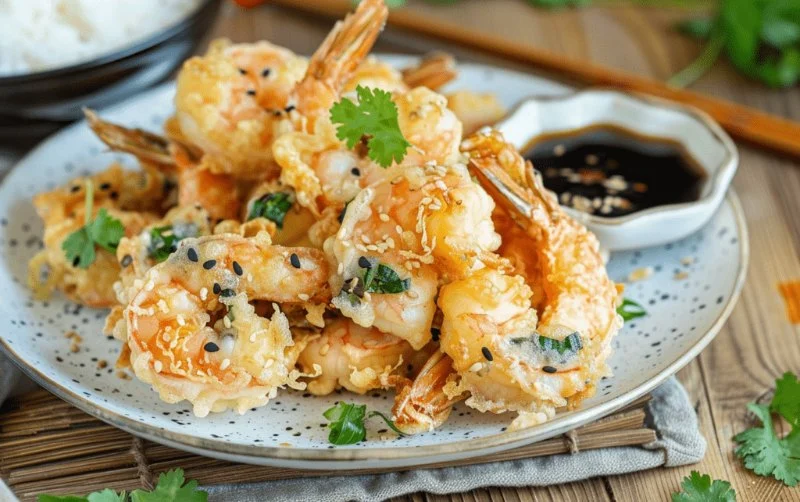
A practical real-world example comes from a home cook in California who often prepares shrimp tempura for family dinners. She discovered that placing parchment under the rack—not directly under the tempura—helped catch drips while still allowing airflow. The result was noticeably crispier leftovers compared to traditional baking sheets.
For best results, avoid overcrowding. Each piece should have space, as touching surfaces will reintroduce moisture and soften the coating. The oven method remains one of the most dependable answers to how to reheat tempura without making it soggy when dealing with multiple servings.
Air Fryer Tempura Reheating Modern Crunch Restoration for Busy Households
The air fryer has become a game changer for reheating fried foods, and tempura is no exception. Because it uses rapid hot air circulation, it mimics deep frying without adding oil. This makes it especially effective for restoring crisp textures.
When using an air fryer, spacing is still important. Even though the appliance is designed for circulation, stacking pieces will trap steam and reduce effectiveness. A light preheat helps stabilize the environment before reheating begins.
In many American households, air fryers are now the go-to solution for leftovers after sushi nights or Japanese takeout. One New York family shared that their biggest surprise was how shrimp tempura regained nearly restaurant-level crispness after just a few minutes of reheating. This practical convenience is why air fryer tempura reheating is widely recommended among modern home cooks.
However, caution is needed. Overheating can dry out the interior while making the coating too brittle. The key is short bursts of heat rather than extended cooking cycles.
For those who enjoy Japanese cuisine regularly, platforms like Japanese Restaurant can be a helpful place to explore authentic dining inspiration, ingredient ideas, and preparation techniques that mirror traditional kitchen standards.
Toaster Oven Tempura Reheating Small Batch Crisping for Perfect Results
The toaster oven is often underestimated, but it is one of the most practical tools for reheating small portions of tempura. Its compact size allows for faster heat concentration, making it ideal for one or two servings.
Unlike a full-sized oven, a toaster oven heats up quickly and maintains a consistent environment for crisp restoration. This is especially useful for people living in apartments or small kitchens where using a large oven feels excessive.
A common scenario involves college students who bring home leftover tempura from Japanese restaurants. Instead of microwaving—which almost always leads to soggy results—they use toaster ovens to bring back texture without drying out the inside. The difference is noticeable, especially with vegetable tempura like sweet potato or zucchini.
Proper placement inside the toaster oven also matters. Positioning the rack in the middle ensures even heat distribution. Rotating pieces halfway through reheating can further improve consistency.
Common Mistakes When Reheating Tempura and How to Avoid Soggy Results
One of the biggest mistakes people make is using the microwave. While convenient, microwaves generate steam that directly attacks the crispy coating, turning it soft within seconds. This is the fastest way to lose texture.
Another common issue is reheating immediately after refrigeration without letting the food sit at room temperature for a short period. This temperature shock can lead to uneven heating, where the outside becomes dry while the inside remains cold.
Overcrowding is also frequently overlooked. Whether using an oven, air fryer, or toaster oven, stacking tempura pieces traps moisture and prevents proper airflow. Even slight spacing can dramatically improve results.
Some home cooks also brush tempura with oil before reheating, thinking it improves crispness. While this may work in some fried foods, it often makes tempura heavier and reduces its signature light texture. Understanding these mistakes is key to mastering how to reheat tempura properly.
Real Life Cooking Stories Home Kitchen Failures and Crispy Comebacks
A memorable case from a Texas household involved a family attempting to recreate a Japanese dinner night at home. After ordering assorted tempura from a local restaurant, they stored leftovers overnight and tried reheating everything in the microwave the next day. The result was disappointing—soft batter, collapsed shrimp coating, and loss of flavor balance.
Determined to fix the issue, they later experimented with an oven method. By using a wire rack and avoiding foil wrapping, they managed to restore much of the crisp texture. The experience completely changed how they approached leftover fried foods.
These real-life situations highlight an important truth: reheating tempura is not just about heat, but about airflow, timing, and moisture control. Small adjustments can transform a disappointing leftover meal into something surprisingly close to freshly made tempura.
Professional Japanese Kitchen Insights on Maintaining Tempura Quality
In traditional Japanese cooking, tempura is served immediately after frying for a reason. Chefs understand that the texture peak is extremely short-lived. However, in professional kitchens, there are still methods used to preserve quality briefly before serving.
One key insight is oil temperature control during frying. Proper frying at stable heat reduces excess oil absorption, which later affects how well tempura holds up when reheated. Another technique involves draining tempura on elevated racks instead of flat surfaces to prevent steam buildup.
Professional chefs also avoid stacking tempura even during short holding periods. This practice reduces moisture retention and helps maintain structure until serving time. These small but disciplined habits are what separate average results from restaurant-level quality.
Many chefs associated with Japanese Restaurant emphasize that while reheating is never ideal compared to fresh frying, understanding structure and moisture control can still produce surprisingly good results at home.
When to Eat vs When to Reheat Making Smarter Leftover Decisions
Not all tempura leftovers are worth reheating. In some cases, especially after extended refrigeration, texture loss becomes too severe to fully recover. Knowing when to reheat and when to repurpose leftovers is an important part of practical cooking.
Vegetable tempura tends to reheat better than seafood varieties because it retains structure more effectively. Shrimp and fish tempura, on the other hand, can become rubbery if over-reheated.
In some kitchens, leftover tempura is repurposed into dishes like rice bowls or noodle toppings rather than being eaten as-is. This approach acknowledges that texture has changed but flavor can still be preserved in a different format.
Ultimately, learning how to reheat tempura without making it soggy is about understanding limitations as much as techniques. With the right method—oven, air fryer, or toaster oven—leftovers can still be enjoyable, even if they never fully return to their original crisp perfection.



 Saka 618 Hoboken Japanese Restaurant4.0 (155 reviews)
 Super Sushi4.0 (701 reviews)
 One Pot Shabu Shabu - San Jose4.0 (88 reviews)
 Okinawa Steak & Sushi - Austell4.0 (479 reviews)
 Tenzan 52 midtown4.0 (81 reviews)
 Tsunami Sushi and Grill4.0 (334 reviews)
 A Foodie’s Experience at Tanto Japanese Restaurant – Authentic Japanese Cuisine
 The History and Flavor Behind Kiku Japanese Restaurant
 An Insider’s Review of Kru Japanese Restaurant: A Culinary Experience
 Signature Sushi and Ramen at Asahi Japanese Restaurant: A Must-Try Experience
 A Foodie’s Experience at a Japanese Curry Restaurant
 Exploring the Menu at Sapporo Japanese Restaurant