
- - Postwar Transformation of Japanese Home Cooking #postwar-transformation
- - Western Ingredients Enter Everyday Japanese Kitchens #western-ingredients-change
- - Rise of Yoshoku and Fusion Family Meals #yoshoku-fusion-meals
- - School Lunch Programs and Generational Taste Shifts #school-lunch-influence
- - Urbanization and the Modern Japanese Kitchen #urbanization-kitchen-change
- - Real Family Story from 1960s Japan Food Transition #family-story-1960s
- - How Modern Japanese Restaurants Reflect This Evolution #restaurant-evolution
- - Cultural Identity and the Balance of Tradition and Change #culture-balance
Postwar Transformation of Japanese Home Cooking
The story of Japanese home cooking after World War II is not just about food—it is about survival, adaptation, and cultural reinvention. After 1945, Japan faced severe food shortages, economic instability, and rapid exposure to Western influence through occupation and reconstruction efforts.
Traditional meals based on rice, miso soup, and seasonal vegetables began to shift as imported wheat, dairy products, and meats became more accessible. This marked the beginning of a major transformation in everyday family dining habits.
One of the most striking changes was how quickly households adapted to new ingredients. What once seemed foreign—bread, milk, butter—gradually became normal parts of breakfast tables across Japan.
Why This Shift Was So Significant
Before the war, Japanese cuisine was deeply rooted in regional agriculture and seasonal preservation techniques. After the war, however, necessity forced openness to new food systems, which permanently reshaped dietary identity.
Western Ingredients Enter Everyday Japanese Kitchens
The introduction of Western ingredients dramatically influenced Western influence on Japanese cuisine. Flour-based foods, dairy products, and beef became increasingly common in household cooking.
Butter, once rare, began appearing in home kitchens, changing the texture and flavor of everyday dishes. Milk became part of children’s diets, and bread slowly replaced rice in some breakfast routines.
This transformation was not immediate luxury—it was gradual integration driven by availability and government nutrition programs.
How Ingredients Changed Cooking Methods
With new ingredients came new cooking techniques. Frying with breadcrumbs, baking casseroles, and preparing cream-based sauces entered Japanese kitchens, creating a hybrid cooking style that blended East and West.
This was the foundation of what would later become modern Japanese home cooking after World War II.
Rise of Yoshoku and Fusion Family Meals
One of the most important culinary developments was the rise of yoshoku—Western-inspired Japanese dishes adapted to local tastes. These meals became a bridge between tradition and modernization.
Dishes like curry rice, hamburger steak, and croquettes became household staples. They were not purely Western or Japanese, but something uniquely in between.
This hybrid cuisine reflected the evolving identity of postwar Japan—open to global influence but still rooted in local flavor preferences.
Everyday Example of Fusion Cooking
A typical family dinner in the 1960s might include rice served alongside a creamy white stew made with milk and vegetables, or a Japanese-style curry thickened with flour and served over steamed rice.
These meals were comforting, affordable, and easy to prepare, making them perfect for rapidly modernizing households.
School Lunch Programs and Generational Taste Shifts
A major factor in shaping postwar Japanese food culture was the introduction of school lunch programs. These meals exposed children to bread, milk, and Western-style dishes on a daily basis.
Over time, these experiences shaped entire generations’ taste preferences, normalizing foods that were once unfamiliar.
Many children who grew up eating school lunches later brought those preferences into their own homes, accelerating the cultural shift.
Long-Term Cultural Impact
This institutional influence ensured that Western-inspired meals were not temporary trends but lasting components of Japanese dietary habits.
Urbanization and the Modern Japanese Kitchen
As Japan urbanized rapidly during the postwar economic boom, home cooking also changed structurally. Smaller apartments meant smaller kitchens, which influenced cooking styles and meal preparation.
Families began relying more on quick-cook meals, processed ingredients, and simplified recipes. This shift reinforced the popularity of fusion dishes that required less time and fewer tools.
Modern appliances like rice cookers and compact ovens further transformed cooking routines, making hybrid meals even easier to prepare.
How Lifestyle Shaped Food Choices
Urban life demanded efficiency. As a result, meals became quicker but still culturally meaningful, balancing tradition with modern convenience.
Real Family Story from 1960s Japan Food Transition
A widely shared family memory from Osaka illustrates this transformation clearly. A grandmother recalled how her household transitioned from purely rice-based meals to mixed Western-Japanese dinners during the 1960s.
At first, the introduction of bread and milk felt unfamiliar. But after school programs introduced similar foods to children, demand at home increased. Slowly, breakfasts shifted from rice and miso soup to toast with butter and milk.
Dinner, however, remained more traditional but gradually incorporated dishes like hamburger steak served with rice and shredded cabbage.
What This Story Reveals
This generational shift shows how cultural change often enters through children first, then reshapes entire households over time.
How Modern Japanese Restaurants Reflect This Evolution
Today, many establishments labeled under Japanese Restaurant cuisine reflect this historical blending. Restaurants across Japan and abroad now serve menus that include both traditional dishes like sushi and miso soup alongside yoshoku classics.
This dual identity is a direct result of postwar culinary evolution. It allows diners to experience both heritage and modern adaptation in a single meal.
In contemporary cities, it is common to see restaurants serving omurice (omelet rice), a perfect example of Western technique combined with Japanese comfort flavors.
Why This Fusion Remains Popular
The appeal lies in familiarity and innovation at the same time. Diners enjoy comfort food that feels nostalgic while still being slightly global in character.
Cultural Identity and the Balance of Tradition and Change
The evolution of Japanese home cooking after World War II is ultimately a story of balance. While Western influence introduced new ingredients and techniques, traditional values around seasonality and presentation remained central.
Even today, Japanese meals emphasize harmony, color balance, and seasonal awareness—principles that survived modernization intact.
This balance allows Japanese cuisine to remain globally respected while still deeply rooted in cultural identity.
Modern Reflection of Historical Change
Contemporary home cooking in Japan continues to evolve, but it still carries the legacy of postwar adaptation. Every bowl of curry rice or slice of toast with butter tells part of this historical journey.
Everyday Legacy in Today’s Kitchens
The influence of Western ingredients and techniques is now fully integrated into daily life. What once represented change is now tradition for younger generations.
From breakfast toast to school lunches to restaurant menus, the blending of cultures continues to define modern Japanese dining.
 Sushi Time4.0 (455 reviews)
 Sushi Café4.0 (270 reviews)
 Star Sushi4.0 (775 reviews)
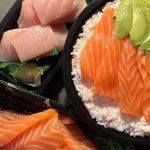 Sushi Stop4.0 (399 reviews)
 Sakana Sushi & Japanese Cuisine4.0 (573 reviews)
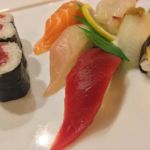 Shinano Restaurant4.0 (313 reviews)
 An Insider’s Review of Best Japanese Restaurants Near Me
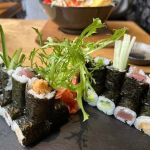 Signature Sushi and Ramen at Suteishi Japanese Restaurant
 Why Green Tea Japanese Restaurant Is a Must-Try Spot for Japanese Food Lovers
 A Foodie’s Experience at Yutaka Japanese Restaurant | Japanese Restaurant
 Exploring the Menu at Aki Japanese Restaurant - A Culinary Journey
 Why Locals Recommend Asaka Japanese Restaurant: A Hidden Gem in Town