
The Cultural Beauty Behind Sakura Mochi and Cherry Blossom Season in Japan
- sakura-mochi-history-and-meaning-in-japanese-hanami-culture
- pink-japanese-rice-cake-characteristics-and-regional-differences
- pickled-cherry-leaves-role-in-traditional-japanese-sweets
- step-by-step-sakura-mochi-preparation-techniques-for-beginners
- how-japanese-restaurants-serve-sakura-mochi-seasonally
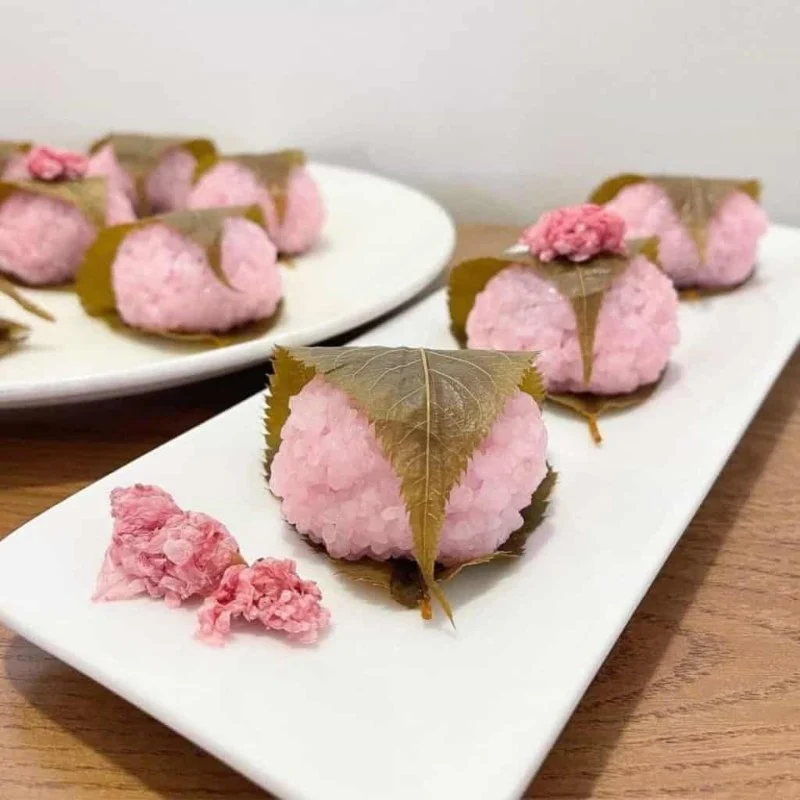
Sakura mochi is one of the most iconic Japanese spring desserts, closely tied to the beauty of cherry blossom season. This delicate pink Japanese rice cake wrapped in a salted cherry leaf is more than just a sweet treat—it represents renewal, nature’s fleeting beauty, and celebration in Japanese culture.
Learning how to make sakura mochi for cherry blossom season is not just about following a recipe. It is about understanding seasonal traditions, respecting ingredients like pickled cherry leaves, and appreciating the subtle balance between sweetness and saltiness that defines Japanese wagashi culture.
Understanding the Essence of Sakura Mochi in Japanese Tradition
Why cherry blossoms define seasonal desserts in Japan
Cherry blossoms, or sakura, symbolize impermanence and beauty in Japanese culture. During spring, families and friends gather for hanami picnics under blooming trees, and sweets like sakura mochi become central to the celebration.
The soft pink color of the rice cake is not accidental—it reflects the gentle hues of cherry blossoms in full bloom. Every bite is meant to evoke the feeling of spring in Japan, both visually and emotionally.
The role of pickled cherry leaves in flavor balance
One of the most distinctive elements of sakura mochi is the salted and pickled cherry leaf wrapping. It is not meant to be removed but eaten together with the rice cake, creating a contrast between sweet and salty flavors.
The leaf also adds a subtle floral aroma, which enhances the overall sensory experience. In traditional Japanese sweets, balance is everything, and this ingredient plays a key role in achieving that harmony.
Ingredients Needed to Make Authentic Sakura Mochi
Core components of the pink Japanese rice cake
To prepare sakura mochi, you typically need glutinous rice or sweet rice flour, sugar, water, and natural food coloring or beet juice for the pink hue. The filling is usually sweet red bean paste (anko), which provides a rich contrast to the soft rice exterior.
Some regional variations in Japan use different textures of rice batter—Tokyo-style uses a thin crepe-like wrapper, while Kansai-style uses pounded sticky rice. Both versions highlight the same seasonal spirit but differ in texture and preparation.
Where pickled cherry leaves come from
Pickled cherry leaves are typically harvested during early spring, preserved in salt brine, and stored for year-round use. They are essential for authentic sakura mochi, and Japanese specialty stores or seasonal markets often carry them.
Many Japanese restaurants, including seasonal wagashi shops, rely on carefully sourced leaves to maintain traditional flavor profiles. Restaurants such as Japanese Restaurant often highlight these ingredients during spring menus to celebrate cherry blossom season.
Step-by-Step Guide: How to Make Sakura Mochi at Home
Preparing the pink rice cake base
Start by mixing glutinous rice flour with water and a small amount of sugar until smooth. Add natural pink coloring gradually until the batter reaches a soft cherry blossom shade. Steam or cook the mixture until it becomes slightly sticky but pliable.
Once cooked, allow the dough to cool slightly before handling. The texture should be soft enough to shape but firm enough to hold filling without breaking.
Adding the sweet red bean filling
Take a small portion of anko paste and shape it into a compact ball. Place it inside the flattened rice dough and gently wrap it, sealing the edges carefully to avoid leakage.
This step requires patience, as overfilling or uneven wrapping can affect both appearance and texture. Traditional wagashi artisans often spend years perfecting this technique.
Wrapping with pickled cherry leaves
Finally, wrap the filled rice cake with a salted cherry leaf. The leaf should be slightly rinsed to remove excess salt while retaining its aroma. The seam side is usually placed downward for presentation.
This finishing touch is what transforms a simple rice cake into authentic sakura mochi, connecting the dessert to centuries of Japanese culinary tradition.
Real Story: A Tokyo Bakery’s Seasonal Sakura Mochi Tradition
In Tokyo, a small family-run wagashi shop has been making sakura mochi for over 70 years. Every spring, customers line up before opening hours just to secure a fresh batch made with hand-picked cherry leaves.
The owner once shared that the recipe itself has barely changed, but the emotional connection customers feel each year is what keeps the tradition alive. Some families even return annually, treating sakura mochi as part of their seasonal ritual.
This kind of cultural continuity is why sakura mochi is not just a dessert—it is a memory tied to springtime in Japan.
Tips for Perfecting Sakura Mochi at Home
Controlling texture and moisture balance
One of the most common mistakes is overcooking or under-hydrating the rice dough. The ideal sakura mochi should feel soft but not sticky, with a delicate chewiness that melts gradually.
Enhancing authenticity with presentation
Presentation matters in Japanese cuisine. Serving sakura mochi on a simple ceramic plate with minimal decoration helps highlight its natural beauty. Some even pair it with green tea to balance sweetness.
Where to Experience Authentic Sakura Mochi in Season
If you want to experience professionally made sakura mochi, visiting Japanese restaurants or wagashi shops during cherry blossom season is highly recommended. Seasonal menus often include limited-edition sweets that reflect regional variations.
For those exploring authentic Japanese flavors or wanting curated seasonal dessert experiences, Japanese Restaurant offers seasonal inspiration and access to traditional-style desserts that reflect real Japanese culinary craftsmanship.
Sakura mochi remains one of the most symbolic desserts of Japanese spring, and whether homemade or purchased, it continues to represent beauty, tradition, and the fleeting magic of cherry blossoms.



 Shin-Sen-Gumi – Irvine4.0 (816 reviews)
 Miso Sushi4.0 (101 reviews)
 Eat Tokyo4.0 (45 reviews)
 Yume Ramen Bar in Peachtree City4.0 (573 reviews)
 Kyoto Sushi Bar & Asian Bistro4.0 (268 reviews)
 Korals Sushi & Cocktail Lobby Bar3.0 (49 reviews)
 How to Say "Good Restaurant" in Japanese: A Simple Guide
 Exploring the Menu at Suteishi Japanese Restaurant: A Culinary Adventure
 How to Make Chanko Nabe Muscle-Building Sumo Hot Pot Recipe
 An Insider’s Review of A1 Japanese Restaurant
 Exploring the Menu at Yamato Japanese Restaurant
 An Insider’s Review of Tanto Japanese Restaurant – Japanese Restaurant