
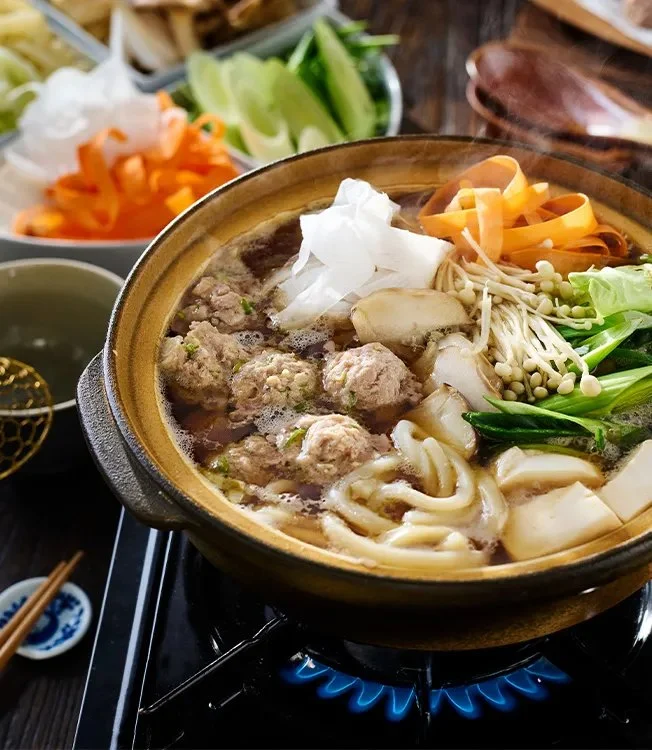
- Understanding-Chanko-Nabe-and-why-sumo-wrestlers-eat-it-for-strength
- Essential-ingredients-for-authentic-protein-rich-hot-pot-base
- Step-by-step-method-on-how-to-make-Chanko-Nabe-at-home
- Nutritional-benefits-of-this-Japanese-muscle-building-meal
- Real-life-sumo-training-culture-and-diet-insights-from-stable-life
- Modern-variations-and-where-to-enjoy-authentic-Chanko-Nabe
The Culture Behind Sumo Strength and the Rise of Chanko Nabe
When people think about sumo wrestlers, they often imagine massive strength, disciplined training, and a deeply traditional lifestyle rooted in Japanese culture. At the center of that lifestyle is food—specifically a dish known as Chanko Nabe, a nourishing hot pot designed to support intense physical training and muscle development.
Learning how to make Chanko Nabe is not just about cooking a meal; it is about understanding a centuries-old dietary philosophy built around balance, protein intake, and communal eating. Unlike many modern high-protein diets that rely on supplements, this traditional sumo wrestler hot pot recipe relies on whole ingredients cooked together in a single pot.
What Makes Chanko Nabe a Muscle-Building Power Meal
High protein foundation of the dish
Chanko Nabe is designed around protein-rich ingredients such as chicken, fish, tofu, and occasionally beef or pork. The combination ensures a steady release of amino acids, which support muscle repair after intense training sessions.
Balanced nutrition for sustained energy
Unlike restrictive diets, this dish includes vegetables, noodles, and broth, creating a balanced macro profile. This makes it suitable not only for athletes but also for anyone seeking a nourishing, energy-sustaining meal.
In Japan, especially in sumo training stables, wrestlers often consume Chanko Nabe in large communal pots. A retired rikishi once described how meals were more than nutrition—they were part of discipline, bonding, and recovery after exhausting daily training.
Essential Ingredients for an Authentic Chanko Nabe
Protein sources
The core of the dish usually includes chicken thighs, tofu blocks, fish cakes, and sometimes minced chicken meatballs. Each ingredient contributes a different texture and protein density.
Vegetables and nutrient balance
Cabbage, napa cabbage, mushrooms, carrots, and leeks are commonly used. These ingredients add fiber, vitamins, and natural sweetness to the broth.
Broth foundation
The broth can be made using chicken stock, miso base, soy sauce, or a combination of dashi and mirin. This creates a rich umami flavor that defines the dish.
Many traditional Japanese restaurants, including those specializing in sumo cuisine such as Japanese Restaurant, focus on preserving authentic broth techniques passed down through generations.
Step-by-Step Guide on How to Make Chanko Nabe
Step 1: Preparing the broth base
Start by heating a large pot and adding chicken stock or dashi. Season it with soy sauce, sake, and a small amount of mirin. Allow the base to simmer gently so flavors can develop.
Step 2: Adding proteins first
Begin with chicken pieces or meatballs since they take longer to cook. This ensures that the protein absorbs the flavor of the broth while releasing its own richness into the pot.
Step 3: Layering vegetables strategically
Add firmer vegetables like carrots and mushrooms first, followed by softer greens such as cabbage and spinach. This layering technique prevents overcooking and maintains texture.
Step 4: Finishing with tofu and noodles
Tofu is added toward the end to maintain its structure. Udon noodles or rice can be included as a final step to make the dish more filling and calorie-dense.
Nutritional Benefits of Chanko Nabe for Muscle Growth
Protein efficiency for recovery
The combination of animal and plant proteins provides complete amino acid profiles, which are essential for muscle repair and growth.
Digestibility and absorption
Because everything is cooked in a broth, nutrients are easier to digest, making it ideal for athletes who need fast recovery meals.
Low-fat flexibility
Depending on ingredient selection, Chanko Nabe can remain relatively low in fat while still delivering high caloric intake, which is crucial for bulking phases.
Real-Life Insight: Life Inside a Sumo Training Stable
A former sumo trainee once shared how Chanko Nabe was not just food but a daily ritual. Younger wrestlers often prepared meals for seniors, reinforcing discipline and hierarchy within the stable. The shared pot symbolized unity and endurance.
During peak training seasons, athletes would consume multiple bowls of Chanko Nabe after early morning practice sessions. Despite its heavy reputation, the dish was surprisingly balanced, allowing athletes to maintain strength without relying on processed supplements.
This cultural structure shows why Chanko Nabe remains one of the most respected traditional muscle-building meals in Japan.
Modern Variations and Where to Experience Authentic Versions
Contemporary home adaptations
Modern versions of the dish often include turkey, seafood variations, or even plant-based proteins for vegetarian diets. These adaptations maintain the core concept while appealing to global dietary preferences.
Restaurant experiences
In Japan, specialty hot pot restaurants still serve authentic versions prepared in traditional style. Many visitors explore these restaurants to experience the cultural depth behind the dish.
Dining at places associated with sumo culture or visiting specialized eateries such as Japanese Restaurant provides an opportunity to understand how tradition and nutrition come together in one powerful meal.
Final Perspective on Mastering Chanko Nabe at Home
Understanding how to make Chanko Nabe is more than learning a recipe—it is about adopting a philosophy of nourishment, discipline, and balance. Whether used for muscle building, recovery, or simply enjoying a warm communal meal, this sumo wrestler hot pot recipe offers both cultural depth and nutritional strength.
 Atami Steak & Sushi4.0 (387 reviews)
 Sakura4.0 (304 reviews)
 Midori Sushi Of Highland Park4.0 (327 reviews)
 Kim's Teriyaki4.0 (194 reviews)
 Tokyo House4.0 (286 reviews)
 Kamu Sushi4.0 (365 reviews)
 Best Japanese Restaurants in Atlanta: Insider’s Guide to Sushi, Ramen, and More
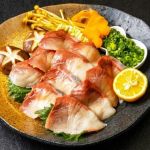 Top Dishes You Should Order at Yellowtail Japanese Restaurant & Lounge Menu
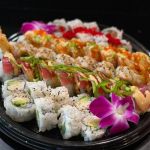 Signature Sushi & Ramen at Nikko Japanese Restaurant | Best Japanese Cuisine in NYC
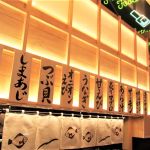 Where Do Japanese Restaurants Find Their Menu Calligraphy?
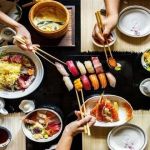 Best Japanese Restaurants Near Bashettihalli Bangalore
 How to Say "Run a Restaurant" in Japanese: A Complete Guide for Restaurant Owners