
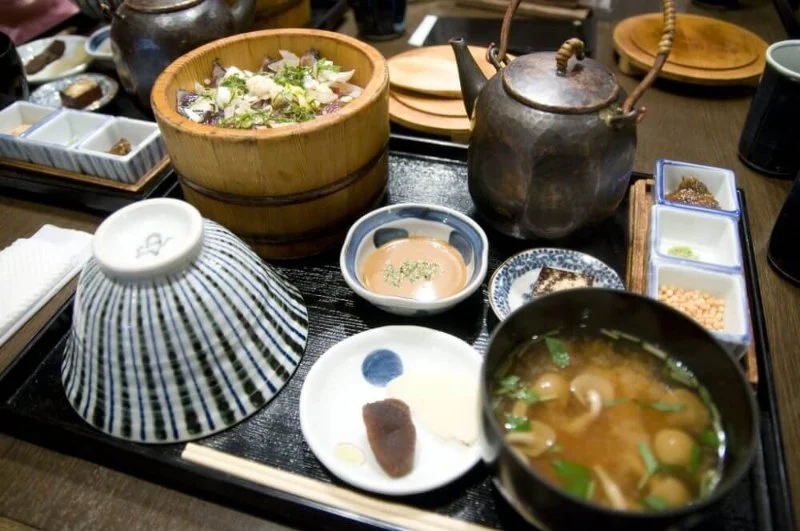
Understanding Washoku and Its Cultural Foundation in Japanese Cuisine
- Washoku-What-is-it-basics - cultural roots, seasonal cooking philosophy, harmony with nature
- UNESCO-recognition-significance - heritage status, global cultural value, preservation efforts
- Japanese-dining-spirit - balance, aesthetics, mindfulness in meals
- Modern-relevance-of-Washoku - global influence, restaurant adaptation, home cooking inspiration
When people ask What Is Washoku?, they are often surprised to learn that it is not just “Japanese food” in the casual sense. Washoku represents a deeply rooted cultural philosophy that connects food, nature, and human emotion. It is a way of eating that reflects respect for seasonal ingredients, visual harmony, and balanced nutrition.
In 2013, Washoku was officially recognized by UNESCO as an Intangible Cultural Heritage of Humanity. This recognition was not simply about culinary excellence. It was about preserving a cultural system that reflects how Japanese people relate to nature, family traditions, and even spirituality through food.
The Meaning Behind Washoku and Its Core Philosophy
At the heart of Japanese cuisine lies a philosophy that is surprisingly simple yet profoundly detailed. Washoku emphasizes harmony—between ingredients, colors, flavors, and presentation. Unlike many modern fast-food approaches, Washoku encourages slowing down and appreciating each element on the plate.
1. Respect for Seasonal Ingredients
Seasonality is not just a preference in Washoku; it is a foundation. A traditional Japanese meal changes throughout the year. Spring might feature bamboo shoots and cherry blossom-inspired dishes, while winter highlights warming soups and root vegetables.
A chef in Kyoto once described how he refuses to serve strawberries in autumn, even if imported versions are available year-round. To him, breaking seasonal harmony would diminish the emotional connection diners have with nature’s rhythm.
2. The Balance of Taste and Nutrition
Washoku meals are structured to maintain balance: rice, soup, main dish, and side dishes. This structure naturally supports health, providing carbohydrates, protein, fiber, and minerals in a thoughtful combination.
Unlike restrictive diets, Washoku encourages variety. The idea is not to eliminate but to harmonize. Even salt and seasoning are used with restraint, allowing natural flavors to shine.
3. Aesthetic Presentation and Emotional Experience
Food in Japan is also visual art. The arrangement of ingredients often reflects nature scenes—mountains, rivers, or seasonal landscapes. Even the plates themselves are chosen carefully to match the season and mood.
This attention to detail transforms eating into an emotional experience rather than a simple act of nourishment.
UNESCO Recognition and Global Importance of Washoku
The designation of Washoku as a UNESCO Intangible Cultural Heritage brought global attention to Japanese culinary traditions. However, this recognition also came with responsibility: preserving authenticity in a rapidly globalizing food industry.
Why UNESCO Considered Washoku Important
UNESCO recognized Washoku not just for its culinary techniques but for its cultural ecosystem. It includes food preparation rituals, family traditions, and community bonding around meals, especially during holidays like New Year (Osechi Ryori).
One notable example is how Japanese families prepare traditional New Year dishes together. Each dish carries symbolic meaning—longevity, prosperity, and happiness—passed down through generations.
Preservation Challenges in Modern Times
As lifestyles become faster and more globalized, traditional cooking practices are slowly fading in urban households. Convenience foods and international cuisines dominate daily life, especially among younger generations.
However, organizations and restaurants are actively working to preserve Washoku principles. Cooking schools and cultural workshops are becoming more popular, especially among international food enthusiasts.
For those looking to experience authentic Japanese dining culture, visiting a traditional-style restaurant such as Japanese Restaurant offerings can provide a meaningful introduction to Washoku principles in action.
The Spirit of Japanese Cuisine in Everyday Life
Washoku is not limited to fine dining or special occasions. It is deeply embedded in everyday Japanese life. A simple home-cooked meal often reflects the same principles found in high-end restaurants.
Home Cooking as Cultural Transmission
In many Japanese households, cooking is a shared activity between generations. Grandparents teach children how to prepare miso soup or properly season rice. These small acts preserve cultural identity.
One Tokyo-based mother shared how her daughter learned to appreciate seasonal vegetables only after helping prepare meals. This hands-on experience changed the child’s perception of food from “something to eat” into “something to respect.”
Mindfulness and Gratitude in Eating
A unique aspect of Washoku is the expression of gratitude before meals. The phrase “Itadakimasu” is not just polite—it reflects appreciation for everyone involved in the food’s journey, from farmers to cooks.
This mindfulness encourages a deeper emotional connection with food, something often missing in fast-paced modern dining habits.
Modern Evolution of Washoku in Global Cuisine
Today, Washoku continues to evolve while maintaining its core values. International chefs incorporate Japanese techniques into fusion cuisine, blending local ingredients with traditional methods.
This global adaptation has made Japanese cuisine one of the most influential culinary traditions in the world. From sushi bars in New York to ramen shops in Paris, Washoku principles are widely respected and adapted.
Fusion Without Losing Identity
The challenge for modern chefs is balancing innovation with authenticity. While creative adaptations are welcomed, the essence of harmony and seasonal respect remains central.
A chef in Los Angeles once described his approach as “respect first, creativity second,” emphasizing that innovation should never erase tradition.
Educational Growth and Culinary Tourism
Food tourism in Japan has grown significantly, with travelers seeking authentic Washoku experiences. Cooking classes, farm visits, and traditional dining experiences are now major attractions.
Many visitors discover that Japanese cuisine is not just about taste but about cultural immersion.
Experiencing Washoku in a Meaningful Way
Understanding Washoku goes beyond reading—it requires experience. Whether through cooking at home, dining at authentic restaurants, or visiting Japan, the philosophy becomes clearer through practice.
For those interested in exploring authentic Japanese dining experiences, platforms like Japanese Restaurant resources can help connect food lovers with culturally accurate dining options that reflect true Washoku traditions.
The beauty of Washoku lies in its simplicity and depth. It teaches that food is not only nourishment but also a reflection of culture, nature, and human connection.

 Yuki sushi restaurant4.0 (122 reviews)
 DokoDemo4.0 (597 reviews)
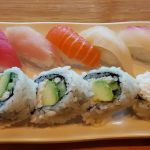 Sushi Junai 24.0 (1732 reviews)
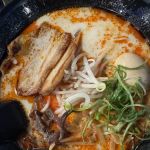 Umami Ramen4.0 (463 reviews)
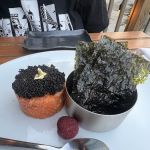 Ki Sushi4.0 (578 reviews)
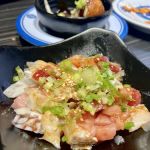 Kura Revolving Sushi Bar4.0 (1211 reviews)
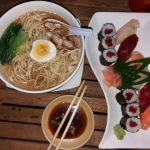 Signature Sushi and Ramen at Japanese Restaurant Miami – A Culinary Delight
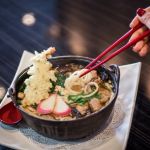 The Complete Guide to Dining at Miyako Japanese Restaurant
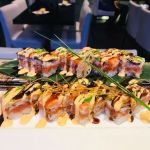 Exploring the Menu at Taki Japanese Restaurant Dunwoody
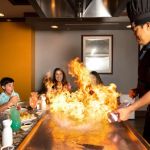 What Makes Shima Japanese Restaurant Stand Out Among Japanese Restaurants
 An Insider’s Review of Japanese Restaurant Chicago: Top Spots for Authentic Japanese Cuisine
 Why Fujiyama Japanese Restaurant Is a Must-Try Spot for Japanese Food Lovers