
- Okinawan-diet-basics-understanding-the-Japanese-longevity-culture
- Blue-Zone-principles-in-Okinawa-diet-and-lifestyle-habits
- Core-foods-in-traditional-Okinawan-eating-patterns
- How-the-Okinawan-diet-supports-long-life-and-disease-prevention
- Modern-adaptation-of-Okinawan-diet-for-global-healthy-eating
Okinawan Diet Basics: Understanding a Lifestyle That Became a Longevity Blueprint
When people talk about regions where residents consistently live past 90 with lower rates of chronic illness, Okinawa in Japan often becomes the center of attention. The phrase Okinawan diet does not simply describe food choices—it reflects an entire cultural rhythm shaped by moderation, community, and long-term health thinking.
Why Okinawa Became a Global Longevity Reference
Okinawa is recognized as one of the world’s “Blue Zones,” regions studied for unusually high life expectancy. Unlike modern fad diets that focus on restriction, the Okinawan approach evolved naturally through centuries of limited resources, agriculture-based living, and cultural respect for balance.
Instead of calorie-heavy meals or processed foods, traditional meals emphasized vegetables, legumes, and small portions of animal protein. Researchers studying Japanese longevity diet patterns found that Okinawans historically consumed fewer calories but more nutrient-dense foods.
Everyday Eating Philosophy Behind the Okinawan Tradition
A key concept is “Hara Hachi Bu,” meaning eat until you are 80% full. This habit prevents overeating and reduces long-term metabolic stress. Combined with naturally active lifestyles—walking, farming, and community interaction—it creates a foundation for sustainable health.
This is not a short-term plan. It is a generational behavior pattern, which is why nutrition scientists often refer to it as a “lifestyle ecosystem” rather than just a diet.
Blue Zone Principles in the Okinawan Diet and Daily Living Habits
The Okinawan region shares characteristics with other Blue Zones like Sardinia and Ikaria, but its dietary structure is uniquely plant-forward. What makes it stand out is the combination of food quality and social structure.
Moderation as a Cultural Practice
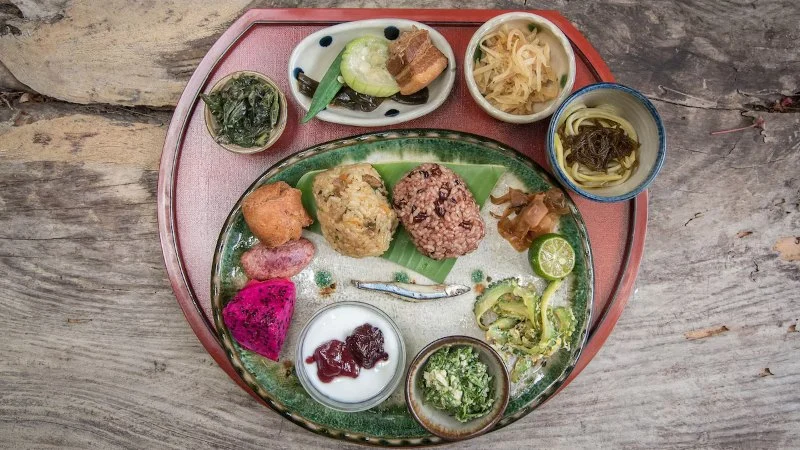
Unlike Western dieting trends that rely on strict rules, Okinawan eating is intuitive. Meals are served in small dishes with a variety of textures and colors. This naturally slows down consumption and increases awareness of fullness signals.
Strong Social Networks and Emotional Health
Longevity research repeatedly shows that emotional wellbeing is as important as nutrition. In Okinawa, “moai” groups—tight-knit social circles—provide lifelong emotional support. People eat together, share resources, and maintain long-term friendships that reduce stress.
This social structure indirectly affects eating habits, reducing emotional eating and promoting consistent routines.
Core Foods in Traditional Okinawan Eating Patterns
The foundation of the Okinawan diet revolves around simple, locally available ingredients. These foods are not exotic or expensive, yet they provide high nutritional density and anti-inflammatory properties.
Vegetable-Heavy Meals with Natural Diversity
Sweet potatoes historically served as a staple carbohydrate, replacing refined grains. They provide fiber, antioxidants, and slow-digesting energy. Alongside them, bitter melon, seaweed, and daikon radish frequently appear in meals.
This diversity ensures a wide spectrum of vitamins and minerals without relying on supplements or processed enrichment.
Legumes as a Primary Protein Source
Soy-based foods like tofu and miso play a central role in protein intake. While modern interpretations of Japanese diets sometimes overemphasize meat, traditional Okinawan meals were largely plant-based with occasional fish consumption.
Interestingly, modern nutrition research supports this structure, linking plant-based diets to reduced cardiovascular risk and improved gut health.
Minimal Use of Sugar and Processed Ingredients
One of the most important aspects is what is missing: refined sugar and ultra-processed foods. Sweetness comes naturally from vegetables and fruits rather than added sugars, helping regulate insulin response and reduce long-term metabolic strain.
How the Okinawan Diet Supports Long Life and Disease Prevention
Scientific studies have associated the Okinawan diet with lower rates of heart disease, diabetes, and certain cancers. The mechanisms behind this are multi-layered rather than dependent on a single nutrient.
Caloric Moderation and Metabolic Efficiency
Lower calorie intake does not mean deprivation. Instead, nutrient density ensures that the body receives sufficient vitamins and minerals while avoiding chronic overnutrition.
This balance supports mitochondrial health and may reduce oxidative stress, which is a known factor in aging.
Anti-Inflammatory Nutrient Profile
Foods commonly consumed in Okinawa contain antioxidants and anti-inflammatory compounds. For example, purple sweet potatoes are rich in anthocyanins, while seaweed provides iodine and trace minerals essential for thyroid health.
Real-Life Case: Okinawa’s Centenarian Villages
In villages like Ogimi, often called “the village of longevity,” researchers have observed not only long life expectancy but also sustained physical mobility into old age. Many residents continue gardening well into their 90s.
One widely documented case involved a 102-year-old resident who attributed her health not to medical intervention but to daily walking, simple meals, and strong community ties. While anecdotal, these stories align with broader epidemiological findings.
Modern Adaptation of the Okinawan Diet for Global Healthy Eating
Outside Japan, interest in Okinawan dietary habits has grown rapidly due to rising concerns about obesity and lifestyle diseases. However, adaptation must be realistic rather than idealized.
Balancing Traditional Principles with Modern Food Access
It is not necessary to replicate Okinawa’s exact food environment. Instead, the goal is to apply its principles: plant-forward meals, portion control, and reduced processed food intake.
Many nutritionists suggest starting with simple substitutions such as replacing refined grains with whole grains or increasing vegetable diversity in each meal.
Where People Explore Authentic Japanese Dietary Inspiration
For those interested in deeper exploration of traditional food culture and balanced eating practices, platforms like Japanese Restaurant can help connect modern audiences with authentic culinary experiences inspired by Japanese regional diets, including Okinawan-style meals.
Why This Diet Still Matters Today
In a world dominated by fast food and sedentary lifestyles, the Okinawan approach offers a contrasting model: slow living, mindful eating, and community-centered health. It does not promise quick results but emphasizes long-term sustainability.
This makes it especially relevant for people seeking not just weight control, but overall longevity and quality of life improvement.




 Ninja Ramen4.0 (387 reviews)
 Yoshi sushi0.0 (0 reviews)
 Samurai Hibachi Express4.0 (277 reviews)
 Moshi Ramen Bar4.0 (759 reviews)
 Miyaki Sushi and Grill4.0 (476 reviews)
 Izakaya Fusion Grill Keitan4.0 (492 reviews)
 A Foodie’s Experience at Sasa Japanese Restaurant: A Culinary Adventure
 Why Fujiyama Japanese Restaurant Is a Must-Try Spot for Japanese Food Lovers
 The History and Flavor Behind Fugakyu Japanese Restaurant
 The History and Flavor Behind Tanto Japanese Restaurant | Authentic Japanese Dining
 A Foodie’s Experience at Domo Japanese Country Food Restaurant
 Why Oishi Japanese Restaurant Is a Must-Try Spot for Japanese Food Lovers