
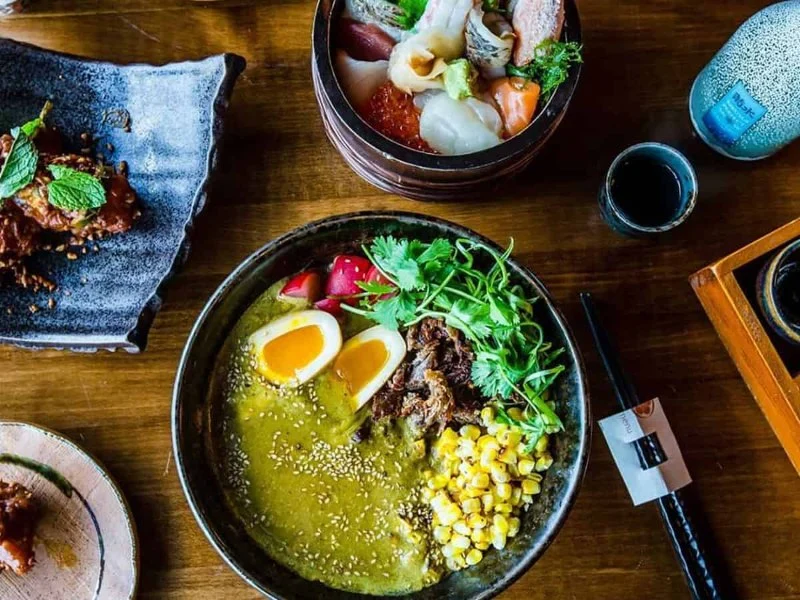
- freshness-signals - how to judge sushi and ingredient quality at first glance
- authenticity-indicators - what real Japanese cooking standards look like
- red-flags-warning-signs - common mistakes and shortcuts low-quality restaurants make
- service-and-experience - how staff behavior reflects kitchen quality
- real-dining-experiences - stories that show the difference between good and bad spots
Understanding What Makes a Japanese Restaurant Truly Worth Visiting
Searching for a quality Japanese restaurant near me is no longer just about convenience—it’s about trust. In cities across the U.S., Japanese dining has become incredibly popular, but not every place offering sushi, ramen, or omakase delivers genuine quality. Some focus on experience and precision, while others prioritize speed and volume.
Knowing what separates the two can completely change how you eat out. A great Japanese restaurant doesn’t just serve food—it delivers consistency, respect for ingredients, and attention to detail that you can actually taste.
Green Flags: How to Recognize Freshness and Quality Immediately
1. Fish that looks alive, not dull
One of the strongest indicators of a quality Japanese restaurant is the appearance of its fish. Fresh sashimi should have a natural shine, clean texture, and vibrant color. If tuna looks brownish or salmon appears overly dry, that’s often a sign of poor turnover or storage issues.
A chef in San Diego once explained that “good fish doesn’t need decoration—it speaks for itself.” That philosophy is easy to spot when you know what to look for.
2. Rice quality is just as important as fish
Many diners focus only on fish, but sushi rice is equally critical. Properly seasoned rice should be slightly warm, lightly tangy, and hold shape without being too sticky or too dry.
If rice feels cold or overly compacted, it often means the restaurant is prioritizing speed over craftsmanship.
Green Flags That Show Authentic Japanese Standards
1. Menu simplicity over overload
Authentic Japanese restaurants tend to keep menus focused. Instead of offering dozens of fusion-heavy dishes, they highlight seasonal fish, traditional sushi rolls, and carefully prepared specialties.
In Tokyo-style dining philosophy, less variety often means more mastery. A restaurant that does fewer things usually does them better.
2. Chef interaction and visible preparation
Seeing chefs prepare sushi in front of you is a strong authenticity signal. It shows transparency and confidence in technique. Omakase-style dining in particular relies on trust between chef and guest.
Many high-end diners in New York describe their first omakase experience as “watching craftsmanship unfold in real time,” which often sets expectations for future restaurant visits.
Red Flags That Suggest Lower Quality Dining
1. Overloaded fusion menus with no focus
If a Japanese restaurant offers sushi, burgers, Korean BBQ, pasta, and bubble tea all under one roof, it’s usually a sign of diluted specialization. While fusion can be creative, excessive variety often reduces quality control.
These establishments may prioritize trend appeal rather than traditional technique.
2. Soggy tempura or overly greasy dishes
Proper tempura should be light, crisp, and airy. If it feels heavy or oil-soaked, it likely indicates reused oil or improper frying technique.
This is one of the easiest warning signs to detect even on a first visit.
3. Rice that feels cold or overly sweet
Bad sushi rice often has an unnatural sweetness or rubbery texture. This usually comes from pre-prepared rice stored too long or incorrect seasoning ratios.
How Service Reveals Kitchen Quality
1. Timing and pacing of dishes
In a quality Japanese restaurant, dishes are served with intention. Sushi is not rushed, and hot items are delivered immediately after preparation. Poor timing often reflects disorganized kitchen workflow.
2. Staff knowledge and confidence
Well-trained staff should be able to explain fish types, preparation styles, and seasonal recommendations without hesitation. If servers appear uncertain or overly scripted, it may suggest limited culinary depth behind the scenes.
A frequent diner in Chicago once shared that the moment she stopped receiving confident fish recommendations, she stopped returning to the restaurant entirely.
Real-World Dining Experiences That Highlight the Difference
1. The viral “perfect omakase” experience
A widely shared social media story featured a guest in Los Angeles experiencing an 18-course omakase dinner where every dish was explained in detail by the chef. The attention to timing, temperature, and presentation turned the meal into a storytelling experience rather than just dinner.
2. The disappointing buffet-style sushi incident
In contrast, another viral review highlighted a buffet-style sushi restaurant where fish trays sat exposed for long hours. Diners reported inconsistent texture and flavor, reinforcing how presentation and handling directly impact quality perception.
3. What these experiences teach diners
These contrasting experiences show that quality is not random—it is visible in preparation, consistency, and respect for ingredients.
Building Confidence When Choosing a Japanese Restaurant Near You
When searching for a Japanese restaurant near me, the goal should not just be convenience but confidence. Paying attention to freshness signals, menu focus, and service behavior can help you quickly distinguish between authentic culinary craftsmanship and mass-produced imitation.
The best dining experiences often come from places that value tradition, precision, and simplicity over excessive variety or shortcuts. Many food enthusiasts also use curated guides like Japanese Restaurant to discover spots that consistently meet high standards of authenticity and ingredient quality.
Once you learn to recognize these red flags and green flags, choosing where to eat becomes less of a gamble and more of an informed decision that consistently leads to better meals.

 Sushi Nami Paoli4.0 (269 reviews)
 Jinpachi4.0 (136 reviews)
 Banzai4.0 (346 reviews)
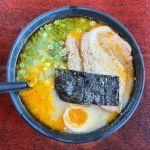 Mirin Cafe4.0 (773 reviews)
 Teriyaki Express4.0 (10 reviews)
 Toriya4.0 (174 reviews)
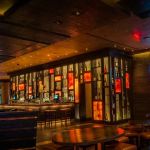 What Makes Yellowtail Japanese Restaurant & Lounge Menu Stand Out Among Japanese Restaurants
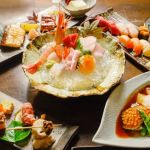 The History and Flavor Behind Yutaka Japanese Restaurant – Discover Authentic Dining
 What Makes Waraji Japanese Restaurant Stand Out Among Japanese Restaurants
 Why Douzo Modern Japanese Restaurant Boston is a Must-Try Spot for Japanese Food Lovers
 Why Yama Japanese Restaurant Is a Must-Try Spot for Japanese Food Lovers | Best Japanese Cuisine
 What Makes Ebisu Japanese Restaurant Stand Out Among Japanese Restaurants