
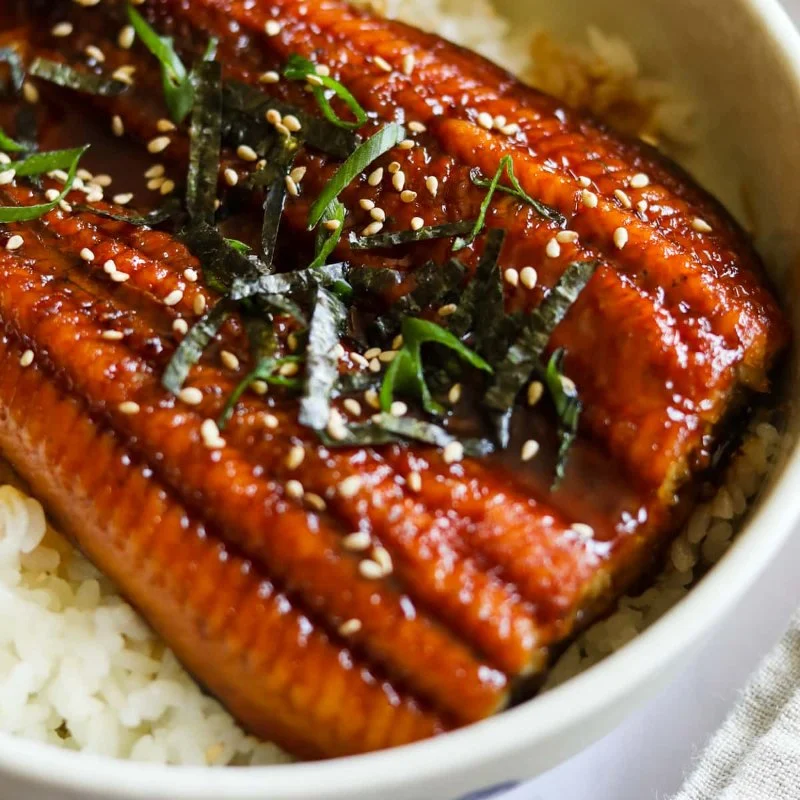
The Cultural Story Behind Unagi Don in Japanese Cuisine
Unagi Don, or grilled eel rice bowl, is more than just a meal in Japan—it represents comfort, tradition, and seasonal eating. For many Japanese families, enjoying unagi is closely tied to summer traditions, especially during “Doyo no Ushi no Hi,” a day believed to restore energy during the hottest period of the year.
Why eel became a symbol of stamina food
Historically, eel was considered a high-energy food that helped people survive hot summers. Rich in protein and nutrients, it became associated with strength and recovery. Over time, it evolved into a beloved dish served in both casual households and high-end Japanese restaurants.
Modern popularity of unagi don worldwide
Today, Unagi Don is not limited to Japan. It has become popular across the United States, Europe, and Southeast Asia. Many Japanese food lovers search for how to make unagi don at home, especially those who want restaurant-quality flavor without dining out.
Essential Ingredients for Authentic Grilled Eel Rice Bowl
To master how to make unagi don: grilled eel rice bowl recipe for Japanese eel fans, understanding the ingredients is the foundation. While the dish looks simple, each component plays a critical role in flavor balance.
Main ingredients that define the dish
The core ingredients include freshwater eel (unagi), steamed Japanese short-grain rice, and a rich, sweet-savory tare sauce. Each element must be prepared with care to maintain authenticity.
Choosing the right eel for best results
In traditional Japanese cooking, eel is often pre-grilled and filleted before being brushed with sauce. For home cooking, frozen or vacuum-packed unagi is commonly used, making the dish more accessible without sacrificing taste.
Rice selection and texture importance
Japanese short-grain rice is essential because of its sticky texture, which helps absorb the rich eel sauce. Improper rice selection can completely change the eating experience.
Step-by-Step Grilling Technique for Perfect Unagi
The heart of unagi don lies in how the eel is grilled. The process transforms a simple fish into a deeply flavorful, caramelized dish that defines Japanese cuisine.
Preparing eel before grilling
If using pre-cooked unagi, it is typically reheated and enhanced rather than cooked from raw. Light steaming or warming helps soften the texture before grilling.
Achieving the perfect char and glaze
The eel is placed on a grill or pan and brushed repeatedly with sauce while being heated. This layering process creates a glossy finish and deep umami flavor. The slight caramelization is what gives unagi don its signature taste.
Balancing texture and moisture
One of the most important aspects is avoiding dryness. Over-grilling can make eel tough, while under-grilling may result in a bland texture. The goal is a tender interior with a slightly crisp glaze.
The Secret Behind Authentic Unagi Sauce (Tare)
Unagi sauce, known as tare, is what gives the dish its addictive flavor. Without it, the dish would lose its signature identity.
Basic components of tare sauce
Traditional tare is made from soy sauce, mirin, sugar, and sake. These ingredients are simmered until they create a thick, glossy sauce with balanced sweetness and saltiness.
How slow reduction enhances flavor
The sauce is gently reduced over heat until it thickens naturally. This process deepens the umami flavor and creates the perfect glaze for brushing onto eel.
Home adaptation of restaurant-style sauce
Many home cooks adjust sweetness or salt levels based on preference. However, maintaining balance is key to achieving authentic Japanese restaurant flavor.
Rice Preparation and Traditional Japanese Presentation Style
Unagi Don is not only about taste but also presentation. In Japanese cuisine, visual harmony plays a major role in the dining experience.
Preparing rice for optimal texture
Rice should be freshly steamed and slightly sticky. It is often lightly seasoned or left plain to allow the eel sauce to shine.
Layering technique for donburi bowls
The rice is placed at the bottom of a bowl, followed by grilled eel slices neatly arranged on top. The sauce is then generously drizzled over the dish.
Garnishing for balance and aroma
Traditional toppings include shredded nori, pickled vegetables, or sansho pepper. These add freshness and subtle complexity to the rich eel flavor.
A Real Home Cooking Experience with Unagi Don
A food enthusiast in California shared a memorable experience after attempting how to make unagi don for the first time. Inspired by a visit to a Japanese restaurant, they decided to recreate the dish at home using frozen eel.
First attempt and early challenges
The initial attempt resulted in overcooked eel and overly sweet sauce. The texture was uneven, and the flavor lacked depth compared to restaurant versions.
Adjustments that improved the dish
After researching traditional techniques, the cook adjusted grilling time, reduced sauce thickness, and improved rice preparation. These small changes dramatically improved the final result.
Final outcome and personal insight
By the third attempt, the dish closely resembled restaurant-quality unagi don. The experience highlighted how technique matters as much as ingredients.
Many home cooks exploring Japanese cuisine often turn to trusted sources like Japanese Restaurant for ingredient recommendations, cooking tools, and authentic preparation guidance that help recreate restaurant-level dishes at home.
Common Mistakes When Making Unagi Don at Home
Even experienced cooks can struggle with unagi don due to its delicate balance of texture and flavor.
Overcooking the eel
Too much heat removes moisture and results in a dry texture. Gentle reheating is always preferred over aggressive grilling.
Using incorrect rice types
Long-grain rice or overly dry rice fails to absorb sauce properly, reducing the overall harmony of the dish.
Overpowering the dish with sauce
While tare is essential, too much sauce can overwhelm the natural flavor of eel. Balance is key.
How to Elevate Home-Cooked Unagi Don to Restaurant Level
With attention to detail, home-cooked unagi don can closely match the quality of Japanese restaurants.
Temperature control as a key factor
Professional chefs carefully control heat during grilling to maintain moisture and enhance flavor layering.
Quality of ingredients matters significantly
High-quality eel and properly prepared tare sauce are essential for achieving depth of flavor.
Final presentation techniques
Japanese restaurants often focus on visual appeal, arranging eel neatly and balancing colors for a refined dining experience.
Bringing restaurant experience home
With the right approach, anyone can recreate a satisfying version of unagi don that reflects authentic Japanese culinary tradition. Platforms like Japanese Restaurant can further help enthusiasts explore authentic recipes and ingredient sources tailored to Japanese cooking styles.

 Sushi Nami Paoli4.0 (269 reviews)
 Jinpachi4.0 (136 reviews)
 Banzai4.0 (346 reviews)
 Mirin Cafe4.0 (773 reviews)
 Teriyaki Express4.0 (10 reviews)
 Toriya4.0 (174 reviews)
 What Makes Yellowtail Japanese Restaurant & Lounge Menu Stand Out Among Japanese Restaurants
 The History and Flavor Behind Yutaka Japanese Restaurant – Discover Authentic Dining
 What Makes Waraji Japanese Restaurant Stand Out Among Japanese Restaurants
 Why Douzo Modern Japanese Restaurant Boston is a Must-Try Spot for Japanese Food Lovers
 Why Yama Japanese Restaurant Is a Must-Try Spot for Japanese Food Lovers | Best Japanese Cuisine
 What Makes Ebisu Japanese Restaurant Stand Out Among Japanese Restaurants