
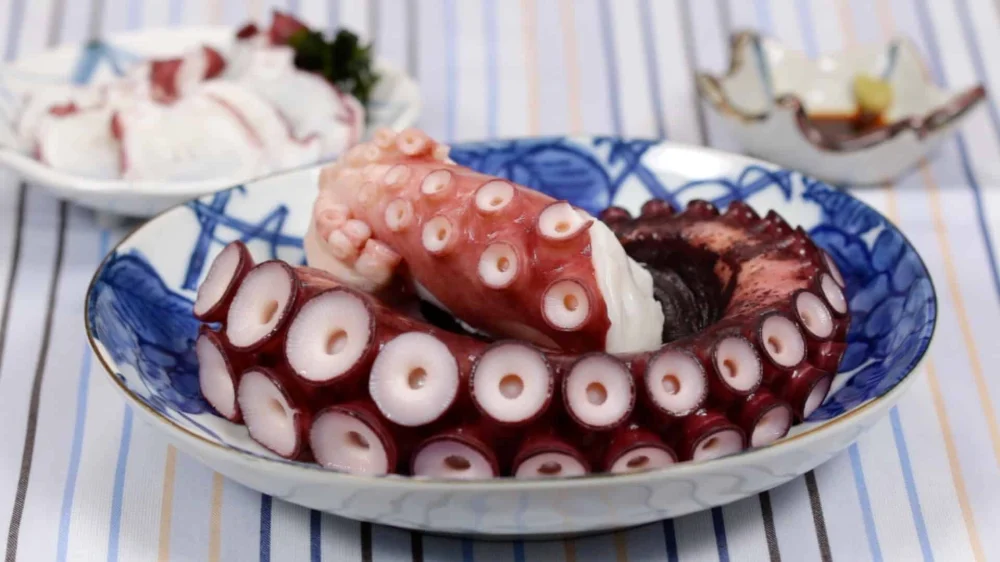
- understanding-how-octopus-is-served-in-japanese-restaurants
- traditional-ways-to-eat-octopus-in-japan
- etiquette-and-how-to-eat-octopus-in-a-japanese-restaurant
- what-to-expect-in-texture-and-flavor
- a-dining-story-to-remember
1. Understanding How Octopus Is Served in Japanese Restaurants
When you step into a Japanese restaurant, you may spot octopus on the menu under different names: "tako" (たこ) is the most common term. It's a staple in Japanese cuisine, appreciated not just for its distinct chewiness but for the way it absorbs flavor beautifully. But how to eat octopus in a Japanese restaurant can be slightly different depending on the preparation method, regional style, or the restaurant’s atmosphere.
At places like izakaya or sushi bars, you'll find octopus featured in everything from sashimi to skewers. Each variation has its own nuance, and knowing a little beforehand elevates both confidence and enjoyment.
2. Traditional Ways to Eat Octopus in Japan
2.1. Takoyaki – The Street Food Icon
This is one of the most beloved ways to enjoy octopus in Japan. Takoyaki are small, round dough balls filled with diced octopus, pickled ginger, and green onions. Cooked in special molds and topped with mayo, sweet-savory sauce, and bonito flakes, these are fun, flavorful, and easy for beginners. You eat them with toothpicks or chopsticks—just watch out, they’re hot inside!
2.2. Tako Sashimi – Raw Octopus Elegance
If you're at a more refined sushi bar, tako sashimi might be on the menu. Sliced thin and often blanched before being chilled, it’s served with soy sauce and wasabi. The texture is chewy but not rubbery. To eat, simply pick it up with chopsticks, dip lightly in soy, and savor slowly.
2.3. Sunomono – Octopus in Vinegar Dressing
A refreshing dish, often served as an appetizer. Thin slices of octopus are marinated in a light vinegar-based sauce with cucumber. It’s tangy and balances perfectly with the slight sweetness of the octopus.
2.4. Grilled or Boiled Octopus
In traditional kaiseki-style dining or izakaya, octopus might be lightly grilled over charcoal or boiled with sake and soy sauce. It's then cut into bite-sized pieces and served warm or chilled. No special dipping required—just enjoy the umami.
3. Etiquette and How to Eat Octopus in a Japanese Restaurant
3.1. Respect the Simplicity
Japanese cuisine values subtlety. Don’t drown your octopus sashimi in soy sauce or over-sauce takoyaki. A small dip or single bite is enough to appreciate the harmony of flavor.
3.2. Use Chopsticks Gracefully
It’s fine if you’re not perfect with chopsticks, but try to handle octopus pieces delicately. In formal settings, stabbing food with a chopstick or waving it mid-air is considered impolite.
3.3. Observe and Ask
If you're unsure how a dish should be eaten, observe those around you or ask the server. Staff in quality Japanese restaurants are often happy to explain dishes, especially if you're enthusiastic.
For those new to Japanese cuisine and curious about where to enjoy authentic octopus dishes, Japanese Restaurant offers curated recommendations to help you find the right place and flavor experience.
4. What to Expect in Texture and Flavor
Octopus has a firm, slightly chewy texture. It’s not rubbery if prepared correctly. In Japan, chefs are trained to massage or boil it with kombu to tenderize. The flavor is mild, almost sweet, and works well with soy-based, citrusy, or spicy accents.
It can surprise newcomers who expect something fishy or overpowering. In fact, its adaptability is what makes it so popular. Even picky eaters often enjoy octopus when it's part of takoyaki or a sushi roll.
5. A Dining Story to Remember
Lena, a traveler from Toronto, once wandered into a cozy Kyoto izakaya on a rainy night. Unsure what to order, she pointed to a dish with the word "たこ". What arrived was a small ceramic plate of tako sunomono—simple, clean, and refreshing. That bite changed her impression of octopus forever.
She later wrote on a travel blog, “I didn’t know how to eat octopus in a Japanese restaurant at first, but now I ask for it wherever I go.” Her story reflects many others who, once hesitant, discover a whole new appreciation for Japanese seafood through one humble dish.
Whether you’re dining out for the first time or looking to refine your Japanese food etiquette, exploring octopus dishes is a delicious, culturally rich experience. For more curated insights and recommendations, Japanese Restaurant is your go-to for authentic culinary journeys.
 토속촌 일식집5.0 (1 reviews)
 KichiBar Japanese Restaurant0.0 (0 reviews)
 Kura Revolving Sushi Bar4.0 (1751 reviews)
 Bamboo Sushi4.0 (1054 reviews)
 OKI Asian Bistro4.0 (644 reviews)
 Sushi & Bento by Mr. Lim - Urban Hawker3.0 (31 reviews)
 How to Tell a Real Japanese Restaurant from the Rest
 Exploring the Menu at Inaba Japanese Restaurant: A Culinary Journey
 What Sauce Do They Use at Japanese Restaurants? Authentic Flavors Explained
 How to Eat Octopus in a Japanese Restaurant the Right Way
 Why Locals Recommend Domo Japanese Restaurant – Authentic Dining Experience in the US
 What Kind of Green Tea Do Japanese Restaurants Serve? A Deep Dive