
- authentic-japanese-cuisine-starts-with-ingredients-and-technique
- interior-design-and-the-ambiance-of-tradition
- menu-authenticity-vs-western-influence
- chef-background-and-kitchen-culture
- customer-experience-and-small-cultural-signals
- recommendation-japanese-restaurant
1. Authentic Japanese Cuisine Starts With Ingredients and Technique
To tell a real Japanese restaurant from a generic one, you must start with what’s on the plate. Authentic establishments take pride in sourcing key ingredients directly from Japan or trusted Asian markets—think shoyu (Japanese soy sauce), dashi made from scratch, real wasabi instead of dyed horseradish, and fresh seafood of sashimi-grade quality.
Technique also matters. A real Japanese restaurant respects the purity of the cuisine. This means precision knife work, minimal seasoning that enhances rather than masks flavor, and delicate presentation. A good test? Order miso soup. If it's cloudy with poorly cut tofu or lacks kombu depth, authenticity is likely missing.
2. Interior Design and the Ambiance of Tradition
2.1 Simplicity With Intention
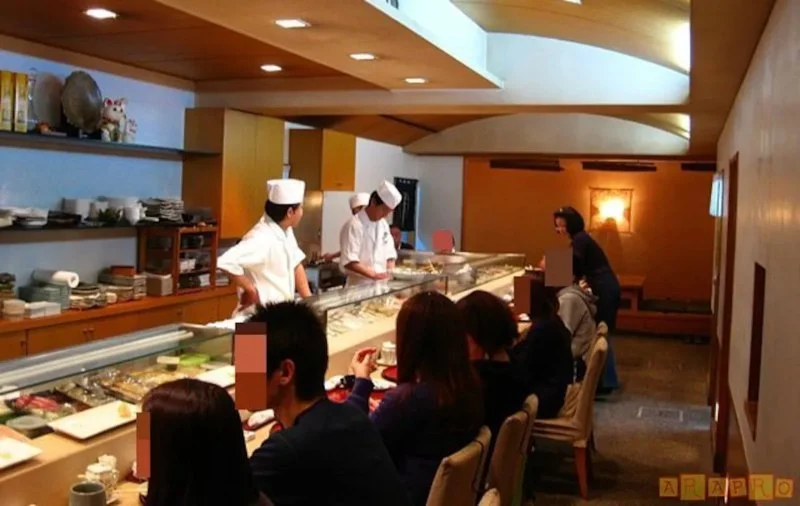
Walk into a real Japanese restaurant and you’ll feel a sense of calm. The décor leans toward natural wood, soft lighting, and clean lines—an extension of the Japanese philosophy of minimalism and hospitality (omotenashi). Even the placement of a noren curtain or the use of bamboo partitions reflects cultural accuracy.
2.2 Ambient Clues
Listen for traditional Japanese music or even the quiet hum of a peaceful setting. A real Japanese establishment values dining as a cultural experience, not just a meal. Servers may bow slightly, shoes might be removed in private rooms, and hot towels (oshibori) may be offered before ordering—small details that speak volumes.
3. Menu: Authenticity vs. Western Influence
3.1 Recognizing the Real Dishes
A genuine menu will highlight traditional dishes like chawanmushi, saba shioyaki, or uni don—not just spicy tuna rolls or teriyaki chicken. Look for regional specialties or seasonal omakase offerings, which reflect the chef’s depth and respect for Japanese culinary tradition.
3.2 Red Flags of Inauthenticity
Be wary of menus filled with fusion items, sushi rolls named after celebrities, or excessive use of mayonnaise and cream cheese. While creative adaptations have their place, a true Japanese restaurant maintains a distinct culinary identity rooted in Japanese heritage.
4. Chef Background and Kitchen Culture
4.1 Training and Philosophy
In Japan, becoming a sushi chef (itamae) can take over a decade. While not every chef abroad can train in Tokyo, real Japanese restaurants often have chefs who have trained under traditional masters or studied in Japan. Don’t hesitate to ask. Most will gladly share their story.
4.2 Open Kitchens or Sushi Bars
At an authentic place, the kitchen is often open to view—especially at the sushi counter. Watch for clean knife work, rice handled gently but with structure, and respectful silence from the chef as they focus. That quiet dedication is itself a mark of true Japanese culinary practice.
5. Customer Experience and Small Cultural Signals
5.1 Service Culture
Politeness is central. Staff won’t push upsells aggressively; they may even recommend simpler dishes if they suit your taste better. Look for signs of care—replacing your soy sauce dish between courses, pouring tea without prompting, or ensuring hot food stays hot with ceramic covers.
5.2 Clientele and Consistency
If Japanese patrons frequent the restaurant, it's a good sign. Many locals seek out familiar flavors that remind them of home. Additionally, consistency across visits—whether in rice temperature, plating, or seasoning—is a hallmark of true Japanese food discipline.
6. Recommendation: Japanese Restaurant
If you're looking for real Japanese dining with verified chefs, cultural detail, and ingredient integrity, we recommend exploring options curated by Japanese Restaurant. Whether you're seeking omakase experiences or casual izakaya-style dishes, you'll find venues committed to authenticity and excellence.
Dining is one of the most immersive cultural encounters, and discovering a real Japanese restaurant transforms a meal into an art form. Once you learn what to look for, spotting the real deal becomes part of the fun.
 토속촌 일식집5.0 (1 reviews)
 KichiBar Japanese Restaurant0.0 (0 reviews)
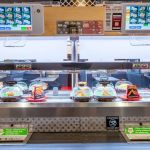 Kura Revolving Sushi Bar4.0 (1751 reviews)
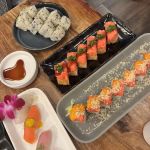 Bamboo Sushi4.0 (1054 reviews)
 OKI Asian Bistro4.0 (644 reviews)
 Sushi & Bento by Mr. Lim - Urban Hawker3.0 (31 reviews)
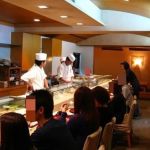 How to Tell a Real Japanese Restaurant from the Rest
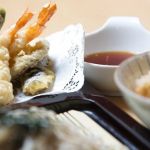 Exploring the Menu at Inaba Japanese Restaurant: A Culinary Journey
 What Sauce Do They Use at Japanese Restaurants? Authentic Flavors Explained
 How to Eat Octopus in a Japanese Restaurant the Right Way
 Why Locals Recommend Domo Japanese Restaurant – Authentic Dining Experience in the US
 What Kind of Green Tea Do Japanese Restaurants Serve? A Deep Dive