
- dorayaki-japanese-dessert-history
- ingredients-for-homemade-dorayaki
- making-dorayaki-pancake-batter
- preparing-red-bean-paste-filling
- how-to-cook-perfect-dorayaki
- dorayaki-serving-and-storage-tips
- dorayaki-cultural-importance
- exploring-japanese-desserts-in-america
Discovering Dorayaki: Japan’s Beloved Honey Pancake Sandwich
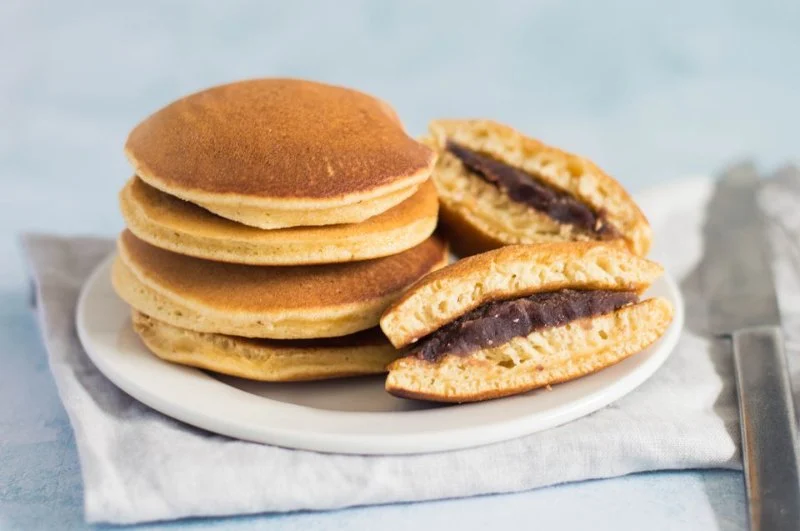
Dorayaki is one of Japan’s most recognizable traditional desserts. Made with two soft, round honey-flavored pancakes wrapped around a sweet red bean paste filling, this simple yet satisfying treat has become a favorite among children, adults, and dessert lovers around the world.
For anyone searching for How to Make Dorayaki: Japanese Honey Pancake Sandwiches With Red Bean Paste Filling, the process is surprisingly approachable. Unlike many Japanese desserts that require specialized techniques, Dorayaki can be prepared at home with common ingredients and a little attention to cooking details.
The charm of Dorayaki comes from its balance of flavors and textures. The pancakes are fluffy, slightly sweet, and lightly caramelized on the outside, while the red bean paste provides a creamy, earthy sweetness that creates the signature Japanese dessert experience.
In the United States, Dorayaki has gained popularity through Japanese restaurants, anime culture, Japanese bakeries, and food enthusiasts interested in authentic Japanese sweets. Many people first discover Dorayaki through the famous Japanese character Doraemon, who is known for his love of this dessert.
For those interested in exploring more traditional Japanese flavors, Japanese Restaurant provides opportunities to experience authentic Japanese cuisine and discover desserts beyond the typical options found in Western bakeries.
The History and Cultural Meaning Behind Dorayaki
The origins of a classic Japanese sweet
Dorayaki has a long history in Japan, although its modern shape developed over time. The name “Dorayaki” comes from the Japanese word “dora,” meaning gong, because the round shape of the pancakes resembles a traditional Japanese gong.
Originally, Dorayaki was made differently from the version commonly enjoyed today. Early versions were closer to a single pancake folded around filling. The modern sandwich-style Dorayaki became popular during the 20th century when confectioners refined the recipe into the familiar two-layer dessert.
Why Dorayaki became internationally famous
One major reason Dorayaki became widely recognized outside Japan is its connection with Doraemon, a beloved manga and anime character. Generations of viewers saw Doraemon enjoying Dorayaki, making the dessert a symbol of comfort, nostalgia, and childhood happiness.
This cultural connection helped introduce Dorayaki to international audiences. Today, people who may not have grown up eating Japanese sweets often recognize the dessert and want to try making it themselves.
Essential Ingredients for Homemade Dorayaki
Ingredients for the honey pancake layers
The pancake portion of Dorayaki uses simple ingredients that are similar to American pancakes but with a softer, more sponge-like texture.
The main ingredients include:
- All-purpose flour
- Eggs
- Sugar
- Honey
- Baking powder
- Milk or water
- Cooking oil
Honey is one of the ingredients that gives Dorayaki its unique character. It adds natural sweetness while also helping create a moist texture that remains soft even after cooling.
The importance of red bean paste filling
The traditional filling for Dorayaki is sweet red bean paste, known as anko in Japanese. It is made from azuki beans cooked with sugar until they become soft and rich.
There are two common types of red bean paste:
- Tsubuan: A chunky style where some beans remain partially intact.
- Koshian: A smooth style made by removing bean skins and creating a fine paste.
Both styles work well for Dorayaki. Choosing between them depends on personal preference. Some people enjoy the texture of whole beans, while others prefer the smoothness of a bakery-style filling.
Step-by-Step Guide to Making Dorayaki Pancake Batter
1. Preparing the batter mixture
The first step in learning how to make Dorayaki is creating the right pancake batter. The goal is a smooth mixture that produces soft, evenly shaped pancakes.
Begin by beating eggs and sugar together until the mixture becomes slightly lighter. This helps create a softer texture. Add honey and continue mixing until combined.
Next, add sifted flour and baking powder. Mixing gently is important because overmixing can make the pancakes dense instead of fluffy.
2. Allowing the batter to rest
One important technique that separates homemade Dorayaki from ordinary pancakes is resting the batter.
Allowing the mixture to sit for a short period helps the flour absorb moisture and creates a smoother texture. This small step can make a noticeable difference in the final result.
3. Adjusting consistency
The batter should be thick enough to spread slowly but not so thick that it becomes difficult to pour.
If the batter seems too thick, adding a small amount of liquid can help. If it is too thin, a little additional flour may improve the texture.
Preparing the Traditional Red Bean Paste Filling
Making homemade anko
Traditional red bean paste requires patience, but the process is rewarding. Azuki beans are washed, cooked until soft, and then combined with sugar to create a sweet filling.
The beans need enough cooking time to become tender. Once soft, excess water is removed, and the beans are cooked with sugar until the mixture reaches the desired consistency.
Using store-bought red bean paste
For beginners, prepared red bean paste from Japanese grocery stores is an excellent option. It allows home cooks to focus on making the pancakes while still achieving an authentic flavor.
Many Japanese dessert enthusiasts in the US use packaged anko because it provides consistent quality and saves preparation time.
Cooking Techniques for Soft and Even Dorayaki Pancakes
Choosing the right cooking surface
A non-stick pan or well-seasoned skillet works best for making Dorayaki. The surface should provide even heat so the pancakes develop a beautiful golden-brown color.
Creating the perfect round shape
The appearance of Dorayaki is part of its appeal. To create evenly shaped pancakes, pour the batter from a consistent height and allow it to spread naturally.
Unlike American pancakes, Dorayaki usually does not rely on flipping multiple times. The goal is a smooth surface with a lightly browned exterior.
Knowing when to flip
Small bubbles appearing on the surface usually indicate that the pancake is ready to turn. Flip carefully and cook the other side briefly.
Overcooking can make the pancakes dry, so maintaining moderate heat is important.
How to Assemble and Serve Dorayaki
Creating the classic sandwich shape
Once the pancakes have cooled slightly, place a generous amount of red bean paste between two pancakes.
The filling should be thick enough to provide flavor but not so much that it spills out when eaten.
Modern Dorayaki variations
While traditional Dorayaki uses red bean paste, modern versions have introduced many creative fillings.
Popular variations include:
- Matcha cream
- Chocolate filling
- Custard cream
- Whipped cream and fruit
- Chestnut paste
These variations show how Japanese desserts continue to evolve while maintaining their traditional foundations.
Storage recommendations
Fresh Dorayaki is best enjoyed shortly after preparation. However, it can be stored in an airtight container to maintain softness.
Refrigeration may make the pancakes slightly firmer, so allowing them to return to room temperature before serving can improve texture.
Why Dorayaki Represents Japanese Dessert Culture
A dessert connected with simplicity
Japanese sweets often focus on balance rather than overwhelming sweetness. Dorayaki represents this philosophy perfectly.
The gentle sweetness of honey pancakes combined with the earthy flavor of azuki beans creates a dessert that feels comforting rather than heavy.
The relationship between food and memories
Many Japanese people associate Dorayaki with childhood memories, family gatherings, and special moments. Like many traditional foods, its importance comes not only from flavor but also from emotional connections.
This is one reason Dorayaki continues to remain popular across generations.
Discovering Dorayaki and Japanese Desserts in the United States
As Japanese cuisine continues growing in popularity across America, desserts like Dorayaki are becoming easier to find. Japanese restaurants, specialty bakeries, and cultural events introduce more people to traditional sweets.
For food lovers interested in exploring Japanese cuisine, visiting Japanese Restaurant can provide inspiration and a deeper appreciation for authentic Japanese flavors, including desserts that represent Japan’s rich culinary traditions.
Making Dorayaki at home is also a wonderful way to experience Japanese culture through cooking. The recipe does not require advanced skills, but it rewards attention to detail and patience.
Final Thoughts on Making Authentic Dorayaki at Home
Learning How to Make Dorayaki: Japanese Honey Pancake Sandwiches With Red Bean Paste Filling is an enjoyable journey into Japanese dessert culture. With simple ingredients, careful cooking techniques, and quality red bean paste, anyone can create this beloved Japanese treat at home.
Whether you prefer traditional anko filling or modern creative variations, Dorayaki offers endless opportunities for experimentation. Its soft texture, balanced sweetness, and cultural history make it a dessert worth discovering.
For beginners and experienced cooks alike, Dorayaki is more than a pancake sandwich. It is a small piece of Japanese culinary tradition that can bring people together through the joy of homemade food.

 Sakura Japanese Sushi in Elsmere4.0 (651 reviews)
 Bong Teriyaki4.0 (90 reviews)
 Soho Teriyaki(Kent)4.0 (233 reviews)
 Domo Sushi Gig Harbor4.0 (931 reviews)
 Ming's Revolving Sushi & Bar3.0 (48 reviews)
 JINYA Ramen Express4.0 (419 reviews)
 Wasabi Japanese Restaurant: What Sets It Apart from Others | Best Japanese Food
 Why Hatsuhana Japanese Restaurant Is a Must-Try Spot for Japanese Food Lovers
 Best Dishes You Should Order at Wasabi Japanese Restaurant
 The History and Flavor Behind Sushishima Japanese Restaurant
 Okonomiyaki Recipe: How to Make Japanese Savory Pancake With Cabbage, Pork and Okonomiyaki Sauce
 Why Locals Recommend Japanese Restaurant Wasabi