
- tsukemen-basics-definition-origin - understanding dipping ramen and its Japanese roots
- difference-tsukemen-vs-ramen-soup - how dipping noodles differ from traditional ramen bowls
- flavor-profile-and-dipping-broth - why tsukemen broth is richer and more concentrated
- real-dining-experience-story-japan - a restaurant experience showing how tsukemen is enjoyed
- where-to-eat-tsukemen-guide - how to find authentic dipping ramen experiences
Understanding Tsukemen and Why Dipping Ramen Exists in Japanese Cuisine
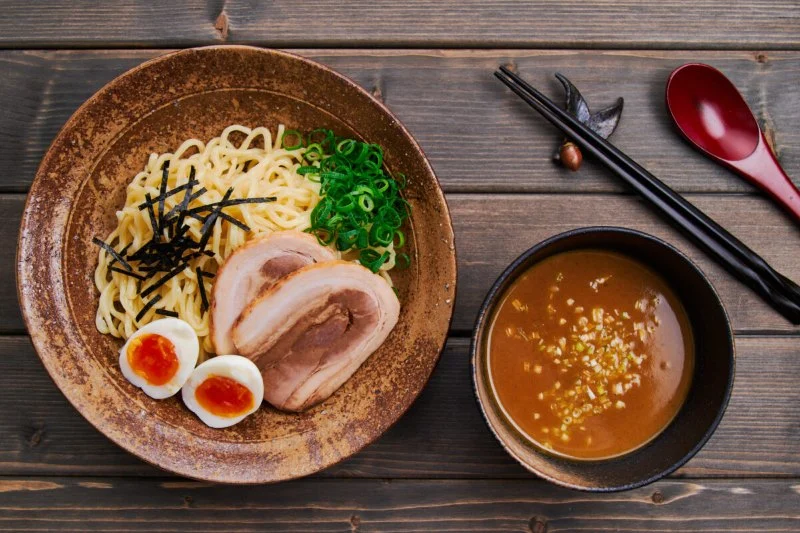
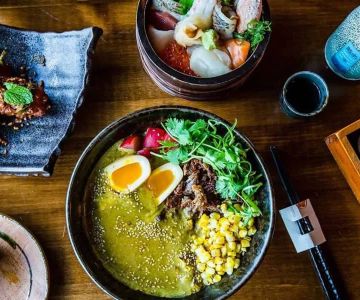
Tsukemen is a unique style of Japanese noodle dish where the noodles and broth are served separately, and the noodles are dipped into a concentrated soup before eating. Unlike traditional ramen, where noodles sit directly in a hot broth, tsukemen creates a more interactive dining experience that highlights texture, temperature contrast, and bold flavors.
The term “tsukemen” literally means “dipping noodles” in Japanese, and it emerged as a modern innovation within Japan’s evolving ramen culture. While traditional Japanese noodle soup has been enjoyed for over a century, tsukemen became popular in Tokyo during the mid-20th century as chefs experimented with richer broths and firmer noodle textures.
How Tsukemen Changed the Way People Experience Ramen
Traditional ramen focuses on harmony—noodles, broth, and toppings all combined in a single bowl. Tsukemen breaks that harmony intentionally, creating contrast instead. The noodles are chilled or room temperature, while the broth is served hot and intensely flavored. This separation allows each component to shine independently.
For many food lovers, this approach feels more dynamic. Instead of simply eating soup with noodles, you actively control how much broth coats each bite. This transforms the meal into a sensory experience rather than just a comfort food bowl.
Tsukemen vs Traditional Japanese Noodle Soup: What Makes Them Different
The biggest difference between tsukemen and traditional ramen lies in preparation and presentation. While both dishes share similar ingredients—wheat noodles, broth, and toppings—their structure changes everything about the eating experience.
Broth Intensity and Flavor Design
In traditional ramen, the broth is designed to be consumed as-is, balanced with noodles and toppings. In tsukemen, the broth is intentionally more concentrated. Chefs often simmer it longer, resulting in a thicker, saltier, and more umami-rich base that can cling to noodles when dipped.
This intensity is necessary because only a small amount of broth is absorbed per bite. Without this concentration, the flavor would feel too mild compared to standard ramen soup.
Noodle Texture and Temperature Differences
Tsukemen noodles are typically thicker and chewier than ramen noodles. This is intentional, as they need to withstand dipping without becoming soggy. Many restaurants chill the noodles after boiling to enhance firmness and improve texture contrast.
In contrast, traditional ramen noodles are served hot and directly immersed in broth, where softness and absorption are desirable qualities.
Eating Style and Interaction
One of the most noticeable differences is how you eat the dish. With tsukemen, you pick up noodles, dip them into the broth, and then eat them immediately. This repetitive motion creates a slower, more intentional dining rhythm compared to ramen’s straightforward bowl-and-spoon approach.
Flavor Profile: Why Dipping Ramen Feels More Intense
Tsukemen is often described as a more “bold” version of ramen. The dipping broth is usually packed with pork bones, seafood stock, or soy-based reductions that create deep umami layers. Because the noodles are not sitting in the broth continuously, they retain their original texture while absorbing flavor only during each dip.
Common Broth Variations
Popular tsukemen styles include tonkotsu-based rich broths, fish-forward blends using dried sardines or bonito flakes, and soy-heavy savory reductions. Each variation changes the overall personality of the dish, making tsukemen a highly customizable culinary experience.
Why Concentration Matters
Since only a small amount of broth clings to each noodle bite, chefs compensate by intensifying flavor. This is why tsukemen broth often tastes saltier or richer than traditional ramen soup when sampled alone.
A common first-time reaction is surprise—many diners find the broth almost too strong until they understand its intended use as a dipping sauce rather than a soup base.
Real Dining Experience: Discovering Tsukemen for the First Time
Many travelers visiting Japan report that their first tsukemen experience feels unfamiliar but memorable. One story from a visitor in Tokyo describes entering a small, crowded shop near Shinjuku Station. The menu offered no English explanation, but the staff recommended tsukemen as the house specialty.
The First Bite Experience
After receiving a bowl of thick noodles and a separate steaming bowl of broth, the visitor hesitated. The first dip delivered an unexpectedly powerful burst of flavor—rich, salty, and deeply savory. Over time, the contrast between cool noodles and hot broth became addictive.
Why It Leaves a Lasting Impression
Unlike many noodle dishes that blend into familiarity, tsukemen stands out because of its contrast-driven design. The sensory shift between each bite makes it more engaging, which is why many people remember their first experience vividly.
Where to Find Authentic Tsukemen and How to Choose a Good Restaurant
Finding high-quality tsukemen outside Japan has become easier as Japanese cuisine spreads globally. However, authenticity depends heavily on broth preparation and noodle quality. Restaurants that specialize in ramen often dedicate separate sections of their menu to tsukemen.
What to Look For in a Good Tsukemen Spot
A strong indicator of quality is broth depth. If the broth appears too thin or resembles regular ramen soup, it may not deliver the intended dipping experience. Another sign is noodle texture—proper tsukemen noodles should feel firm and slightly chewy.
Exploring Japanese Cuisine More Deeply
For those interested in exploring more authentic Japanese noodle experiences, Japanese Restaurant resources can help guide you toward places that specialize in traditional ramen styles, including tsukemen-focused menus and regional variations.
Why Tsukemen Continues to Grow in Popularity Worldwide
Tsukemen’s global rise is closely tied to the growing appreciation for interactive dining experiences. Food enthusiasts today are increasingly drawn to meals that involve participation rather than passive consumption.
The dipping process, combined with bold flavors and customizable eating pace, makes tsukemen especially appealing to modern diners who value both flavor intensity and experience.
A Modern Evolution of a Classic Dish
While ramen continues to be a global staple, tsukemen represents innovation within tradition. It respects the foundation of Japanese noodle culture while reimagining how ingredients can be served and enjoyed.
This balance of tradition and creativity is what keeps tsukemen relevant and exciting in today’s international food scene.

 Sushi Boat4.0 (217 reviews)
 Sushi Gone Wild4.0 (340 reviews)
 Misago Bistro Sushi4.0 (331 reviews)
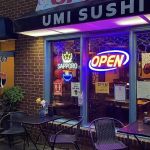 UMI Sushi4.0 (1337 reviews)
 Lili Sushi & Ramen4.0 (511 reviews)
 OMAKAI hand roll bar4.0 (481 reviews)
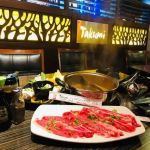 A Foodie’s Experience at Takumi Japanese Restaurant | Japanese Restaurant
 What Salad Dressing Is Used in Japanese Restaurants?
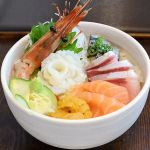 The History and Flavor Behind Tora Japanese Restaurant – A Culinary Journey
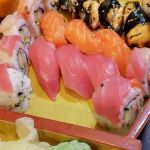 Top Dishes You Should Order at Takara Japanese Restaurant
 An Insider’s Review of Mt. Fuji Japanese Restaurant: A Culinary Journey Through Authentic Japanese Flavors
 A Foodie’s Experience at Ebisu Japanese Restaurant: A Comprehensive Guide