
Making Homemade Taiyaki Without a Traditional Fish Mold: A Simple Japanese Treat
- taiyaki-basics-what-makes-this-japanese-dessert-special
- ingredients-preparation-for-homemade-taiyaki
- making-taiyaki-without-a-fish-shaped-mold
- cooking-techniques-for-perfect-taiyaki-texture
- taiyaki-fillings-beyond-red-bean-paste
- common-taiyaki-making-mistakes-and-solutions
- enjoying-taiyaki-as-part-of-japanese-food-culture
Taiyaki Basics: What Makes This Japanese Dessert Special
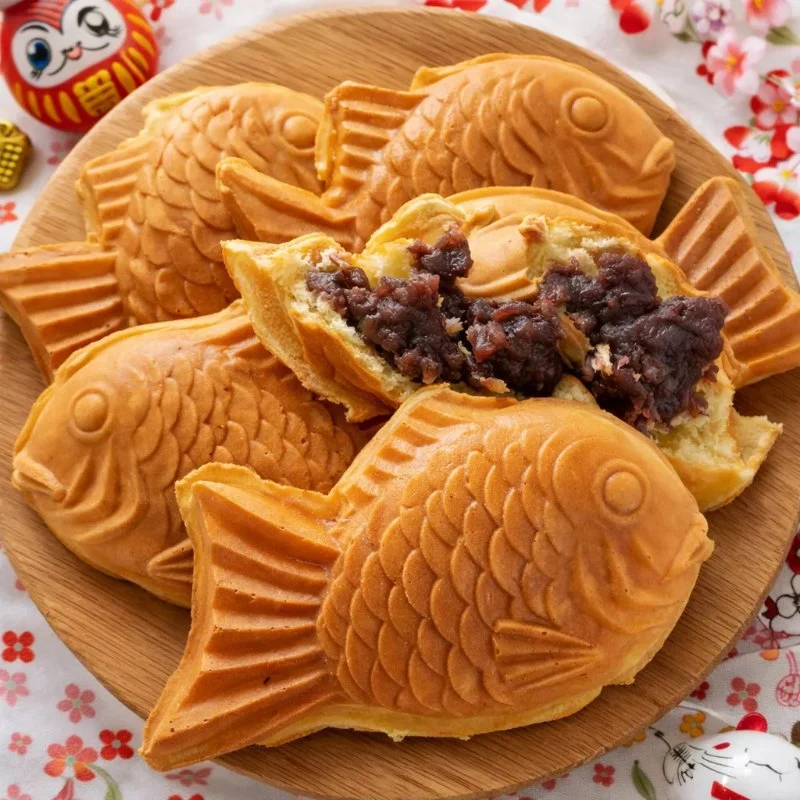
Taiyaki is one of Japan’s most recognizable street desserts, known for its golden crispy exterior, soft cake-like center, and traditional fish shape inspired by the sea bream. The name “taiyaki” comes from two Japanese words: “tai,” meaning sea bream, and “yaki,” meaning grilled or baked. Although the fish shape is iconic, the heart of taiyaki is really about the combination of warm batter and delicious filling.
For many people discovering Japanese sweets for the first time, taiyaki represents the perfect balance between familiar comfort food and cultural tradition. It feels similar to a waffle or pancake but has its own unique personality. The outside has a slightly crisp texture while the inside stays fluffy and satisfying.
Many people assume that making homemade taiyaki requires buying a special fish shaped mold. While traditional taiyaki shops use dedicated irons to create the classic appearance, it is completely possible to learn how to make taiyaki at home without a fish shaped mold. With simple kitchen tools, you can recreate the flavors and experience without investing in specialized equipment.
The Story Behind Traditional Taiyaki
Taiyaki became popular in Japan during the early 1900s and quickly became a favorite snack sold at festivals, markets, and small neighborhood shops. The fish shape was chosen because sea bream has long been considered a symbol of good luck and celebration in Japanese culture.
Traditionally, taiyaki is filled with sweet red bean paste called anko. This filling remains the classic choice because the mild sweetness of azuki beans pairs beautifully with the slightly sweet pancake-like batter. Today, Japanese bakeries and restaurants offer many variations, including custard, chocolate, sweet potato, matcha cream, and even savory fillings.
Ingredients Preparation for Homemade Taiyaki
The best part about making taiyaki at home is that the ingredients are simple and easy to find. The batter is similar to a Japanese-style pancake batter, but the texture should be slightly more structured so it can hold the filling.
Basic Taiyaki Batter Ingredients
For a homemade taiyaki recipe without a traditional mold, you will need:
- 2 cups all-purpose flour
- 2 tablespoons sugar
- 1 teaspoon baking powder
- 1 large egg
- 1 cup milk
- 1 teaspoon vanilla extract
- A small amount of cooking oil or butter for the pan
The batter should be smooth but not overly thin. A consistency similar to pancake batter works well because it spreads easily while still creating a fluffy interior.
Preparing the Traditional Red Bean Filling
The classic filling for Japanese fish waffle desserts is sweet red bean paste. You can purchase prepared anko from Asian grocery stores, or you can make it yourself by cooking azuki beans with sugar until they become soft and creamy.
When making homemade taiyaki, the amount of filling matters. Too much filling can prevent the batter from cooking properly, while too little can make the dessert feel empty. A spoonful of red bean paste in the center is usually enough for a balanced bite.
How to Make Taiyaki at Home Without a Fish Shaped Mold
If you do not have a taiyaki iron, do not worry. The goal is not only to copy the appearance but to enjoy the flavor and texture of this beloved Japanese dessert.
Using a Regular Waffle Maker
A waffle maker is one of the easiest alternatives. Although your taiyaki will not have the traditional fish shape, the waffle pattern creates a crispy outside and fluffy inside that works beautifully with red bean filling.
To make taiyaki in a waffle maker:
1. Preheat the waffle maker and lightly grease the surface.
2. Pour a small amount of batter onto the bottom plate.
3. Add red bean paste in the center.
4. Cover with another layer of batter.
5. Cook until golden brown.
The result is not a traditional-looking taiyaki, but the taste and texture capture the same comforting experience.
Using a Round Pan or Skillet
A simple frying pan can also create homemade taiyaki-style cakes. This method is especially useful for beginners because it gives you complete control over cooking time.
Pour the batter into small circles, add the filling, and cover with another layer of batter. Cook both sides until golden. The final dessert will look more like a filled pancake, but the flavors remain authentic.
Creating a Fish Shape Without Special Equipment
For those who want the traditional fish appearance, creativity can help. You can use metal cookie cutters, silicone molds designed for pancakes, or carefully shape the cooked batter by hand after making two thin pieces.
While appearance adds to the fun, Japanese food culture often focuses equally on taste, texture, and the feeling created by the meal. A homemade taiyaki does not need to be perfectly shaped to be enjoyable.
Cooking Techniques for Perfect Taiyaki Texture
The biggest difference between average homemade taiyaki and excellent taiyaki is usually the cooking technique. Small adjustments can dramatically improve the final result.
Control the Heat Carefully
High heat may create a beautiful brown exterior quickly, but the inside may remain undercooked. Medium heat allows the batter to cook evenly while creating a pleasant golden color.
Professional Japanese dessert makers often focus on patience rather than speed. Slow and steady cooking helps develop the crispy edges and soft center that people love.
Do Not Overfill the Dessert
A common beginner mistake is adding too much filling. While extra red bean paste sounds appealing, it can make the dessert difficult to cook and may cause the filling to leak.
A balanced taiyaki has enough filling to provide flavor without overwhelming the batter.
Serve Taiyaki Warm
Taiyaki is best enjoyed shortly after cooking. The contrast between the warm exterior and soft sweet center is part of the experience.
Many Japanese street vendors prepare taiyaki fresh to order because the aroma and warmth are important parts of enjoying this dessert.
Taiyaki Fillings Beyond Red Bean Paste
Although traditional red bean taiyaki remains the most famous version, modern variations have made this dessert popular around the world.
Custard Cream Taiyaki
Custard filling creates a smooth and creamy dessert that appeals to people who prefer European-style sweets. The combination of fluffy batter and vanilla custard makes it a favorite among children and adults.
Chocolate Taiyaki
Chocolate-filled taiyaki is a popular modern option, especially outside Japan. Melted chocolate creates a rich dessert similar to a filled waffle or pastry.
Matcha and Sweet Potato Versions
Matcha cream and sweet potato fillings highlight traditional Japanese flavors. These options show how taiyaki continues evolving while keeping its cultural identity.
When exploring Japanese desserts, visiting a trusted Japanese restaurant can also provide inspiration for different flavor combinations and traditional preparation styles. Japanese Restaurant offers opportunities to experience authentic Japanese flavors while discovering new ideas for homemade creations.
Common Taiyaki Making Mistakes and Solutions
The Batter Is Too Dense
If your taiyaki feels heavy instead of fluffy, the batter may have too much flour or may have been mixed too much. Overmixing develops gluten and creates a tougher texture.
The Filling Leaks Out
Leaking filling usually happens because there is too much filling or the batter layer is too thin. Adding a slightly thicker batter layer around the filling helps create a better seal.
The Outside Burns Before the Inside Cooks
This usually means the cooking temperature is too high. Lower the heat and allow more time for the center to cook.
Enjoying Taiyaki as Part of Japanese Food Culture
Food is often more than just taste. Traditional Japanese snacks like taiyaki carry memories, seasonal traditions, and social experiences.
Many people remember buying warm taiyaki during festivals, walking through busy streets, and sharing desserts with friends or family. That emotional connection is one reason taiyaki remains popular decades after it was created.
Making taiyaki at home without a fish shaped mold allows anyone to participate in this tradition. It removes the barrier of needing special equipment and makes Japanese cooking more accessible for home kitchens.
Bringing Japanese Flavors Into Your Home
Whether you choose classic red bean paste or create your own modern filling, homemade taiyaki is a rewarding project. It combines simple ingredients, creativity, and a connection to Japanese culinary traditions.
Once you master the basic recipe, you can experiment with different fillings, shapes, and cooking methods. The possibilities are almost endless.
Start Making Your Own Homemade Taiyaki Today
Learning how to make taiyaki at home without a fish shaped mold proves that authentic Japanese-inspired desserts do not require expensive tools. With a simple batter, sweet red bean filling, and a little patience, you can create a delicious Japanese fish waffle experience in your own kitchen.
If you enjoy discovering Japanese cuisine and want to explore more traditional flavors, Japanese Restaurant is a great place to continue your culinary journey. Explore authentic dishes, learn about Japanese food culture, and find inspiration for your next homemade creation.


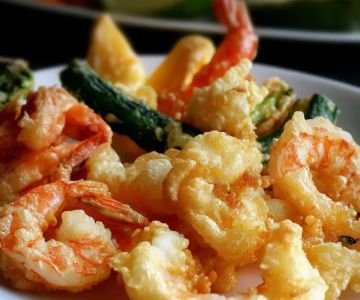
 Oheya Houston4.0 (57 reviews)
 Sushi & Wok4.0 (952 reviews)
 Katsu4.0 (43 reviews)
 Kiyama Sushi & Bar4.0 (230 reviews)
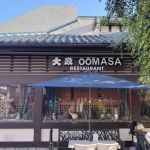 OOmasa4.0 (732 reviews)
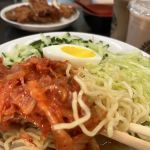 Dashiwa Ramen4.0 (238 reviews)
 Why Locals Recommend Japanese Restaurant Boston – Japanese Restaurant
 Why Locals Recommend Asaka Japanese Restaurant
 What's the Tea They Give at Japanese Restaurants? Discover the Tradition
 A Foodie’s Experience at Ai Ki Ya Japanese Restaurant
 Signature Sushi and Ramen at Haru Ichiban Japanese Restaurant – Best Japanese Dining Experience
 Exploring the Menu at Fugakyu Japanese Restaurant: A Culinary Delight