
Izakaya Dining Guide: Ordering, Sharing, and Etiquette
On this page
Quick answer
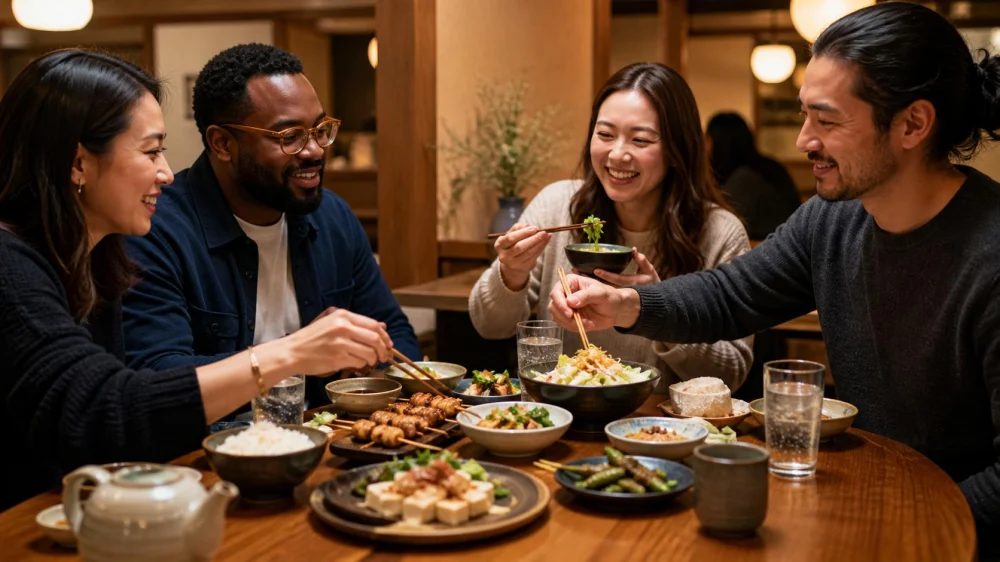
At an izakaya, order several small dishes in rounds and share them with the table. Start with a few quick items, add grilled or fried dishes, include vegetables and a filling rice or noodle dish, then reorder only if needed. Ask about portion size, ingredients, and last-call timing. Drinks are optional; the format works just as well with tea or alcohol-free choices.
An izakaya is a casual Japanese dining venue centered on drinks, conversation, and a varied menu of shareable dishes. It is best for groups that enjoy ordering gradually and tasting different flavors. It may be less suitable when each person needs a separate fixed meal or when a very quiet, fast dinner is the priority.
What an izakaya is
Izakaya menus often mix cold starters, sashimi, grilled skewers, fried foods, simmered dishes, salads, rice, noodles, and desserts. Unlike a course menu, the table usually controls the sequence. In the United States, restaurants may use the term broadly, so service style, portion size, and menu focus differ.
Some venues bring an automatic small appetizer or charge a seating fee; others do not. Ask politely if the menu or check is unclear. Reservations, table time limits, age policies, and minimum orders can also vary.
How to read the menu
- Quick starters: chilled tofu, edamame, pickles, salads, and other dishes that may arrive early.
- Raw selections: sashimi or other uncooked seafood; freshness, sourcing, and individual health considerations matter.
- Grilled foods: fish, vegetables, meat, or skewers with smoky and savory flavors.
- Fried dishes: karaage, croquettes, or tempura-style items that add richness and crisp texture.
- Simmered dishes: softer, broth-forward choices that can balance grilled and fried food.
- Finishing dishes: rice, noodles, soup, or ochazuke for a more substantial end to the meal.
Ask whether a listed quantity means pieces, skewers, or a shared plate. Photos can help with scale, but staff guidance is more reliable when portions change.
Build a balanced order
- Count diners and preferences. Note allergies, foods to avoid, spice tolerance, and whether raw items work for the group.
- Start small. For a new restaurant, choose a few dishes across different categories instead of filling the table immediately.
- Balance cooking methods. Pair a fried or rich dish with vegetables, pickles, tofu, grilled items, or broth-based choices.
- Vary texture and intensity. Combine crisp, tender, fresh, smoky, mild, and savory elements.
- Add a staple later. Order rice or noodles after seeing how filling the first round is.
- Check timing before the end. Kitchens may announce last orders before the restaurant closes.
A practical first round for a mixed group could include one cold starter, one vegetable dish, one grilled choice, and one house specialty. This is a decision pattern, not a fixed traditional rule.
Sharing and table etiquette
Wait until everyone can reach or has received a portion when practical. Use serving utensils when provided. If none are available, ask for small plates or utensils rather than reaching across the table or handling shared food with used chopstick ends.
- Ask before taking the last piece.
- Keep personal sauces and used utensils separate from shared plates.
- Order another round only after checking the group’s appetite and budget.
- Do not pressure anyone to drink alcohol or match another person’s pace.
- Confirm whether the restaurant splits checks before ordering.
Conversation and a relaxed pace are part of the appeal, but respect posted table limits and staff signals. Keep noise appropriate to the venue, especially in small dining rooms or at a counter.
Dietary needs and safer questions
Japanese dishes can contain less-visible ingredients such as fish stock, soy, wheat, sesame, egg, shellfish, alcohol-based seasonings, or shared-fryer contact. A dish that looks vegetarian may use seafood-based broth. Ask specific questions rather than relying only on the dish name.
- Does the broth or sauce contain fish, shellfish, soy, wheat, egg, sesame, or alcohol?
- Is the item cooked on shared equipment or in a shared fryer?
- Can the kitchen accommodate the restriction safely?
- Is a simpler dish available if substitutions are not reliable?
People with serious allergies should explain the severity, not merely a preference, and make their own decision based on the restaurant’s response. Pregnant people, older adults, young children, and people with weakened immune systems may need individualized guidance about raw or undercooked food.
Choose an izakaya in the United States
Look for a menu with enough variety for your group, clear hours and reservation information, recent reviews that discuss service and food rather than vague rankings, and accessible contact options. Confirm parking or transit, seating type, accessibility, age rules, table limits, and kitchen closing time.
Choose a specialist venue when the group wants a focused experience such as yakitori or seafood. Choose a broad-menu izakaya when diners have varied preferences. Avoid assuming that “authentic” guarantees quality; evaluate ingredient handling, menu clarity, hospitality, and consistency.
Limitations and important notes
This is general dining guidance. Menus, customs, portion sizes, service charges, and etiquette vary across Japan, the United States, and individual restaurants. Follow the venue’s current policies and staff instructions.
Alcohol affects judgment and driving ability. Follow applicable age laws, plan safe transportation, and choose nonalcoholic drinks when appropriate. For medical dietary restrictions, seek qualified clinical advice and do not rely on a general menu guide.
Sources and evidence notes
The recommendations reflect common izakaya dining practice: order shareable dishes in stages, balance categories, use shared-plate etiquette, and confirm restaurant-specific policies. The restaurant’s current menu and staff are the primary sources for ingredients, cross-contact practices, portions, prices, and service rules.
Frequently asked questions
Do I have to order alcohol at an izakaya?
No. Many people choose tea, sparkling water, soft drinks, or alcohol-free options. Check the menu and any minimum-order policy.
Is izakaya food always served in small portions?
Often, but not always. Some dishes are individual, while others serve a group. Ask how many pieces or people a dish is intended for.
What should first-time diners order?
Start with a few categories: a light starter, vegetables, one grilled item, and a specialty. Add fried food, rice, or noodles based on appetite.
Is an izakaya suitable for children?
It depends on the venue, hours, seating, noise, and age policy. Contact the restaurant before visiting and ask about child-friendly seating and dishes.
Should the group order everything at once?
Ordering in rounds usually fits the format and helps control quantity, but tell staff if you have limited time or need dishes paced differently.
Conclusion and next steps
Choose an izakaya that fits your group, review the menu for restrictions, and order a small balanced first round. Share thoughtfully, ask specific ingredient questions, and add dishes only after checking appetite and timing. The best experience comes from variety and conversation, not from trying to order every category.

 Sushi Zo4.0 (121 reviews)
 So.Ramen4.0 (67 reviews)
 Ubu4.0 (258 reviews)
 Sushi Blossom4.0 (133 reviews)
 Poke Bowl 1014.0 (52 reviews)
 Daichi Sushi and Grill4.0 (155 reviews)
 Why Locals Recommend Sake Japanese Restaurant
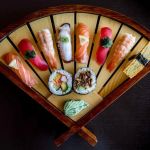 Exploring the Menu at Yuki Japanese Restaurant
 What Do They Yell at Japanese Restaurants? Sounds, Meaning, Atmosphere
 Why Tanto Japanese Restaurant Is a Must-Try Spot for Japanese Food Lovers
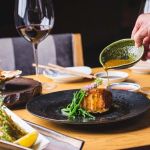 Why Locals Recommend Japanese Sushi Restaurant for Authentic Dining
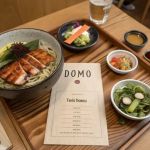 Top Dishes You Should Order at Domo Japanese Country Food Restaurant