
- what-is-furikake
- history-of-furikake-seasoning
- ingredients-in-furikake
- different-types-of-furikake
- how-to-use-furikake
- why-furikake-became-popular
- furikake-in-japanese-cuisine
What Is Furikake? The Japanese Rice Seasoning That Makes Plain Rice Delicious
A simple bowl of white rice may seem ordinary, but Japanese cuisine has a long tradition of turning simple ingredients into something exciting. One of the best examples of this philosophy is furikake, a flavorful Japanese rice seasoning that adds color, texture, and umami to everyday meals.
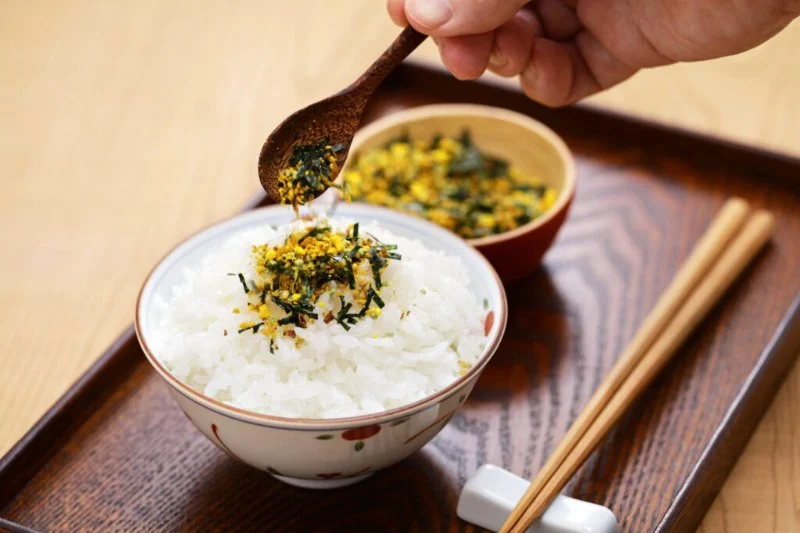
So, what is furikake? Furikake is a dry Japanese seasoning mixture typically sprinkled over cooked rice, noodles, vegetables, eggs, and other dishes. The word “furikake” comes from the Japanese verb “furikakeru,” meaning “to sprinkle over.” While it started as a practical way to make plain rice more enjoyable, it has become one of Japan’s most recognizable pantry staples.
For many people outside Japan, furikake is often their first introduction to Japanese home cooking because it is simple, affordable, and incredibly versatile. A small amount can completely transform a plain bowl of rice into a dish filled with savory flavors and interesting textures.
Japanese Restaurant provides opportunities for food lovers to explore authentic Japanese flavors and discover how traditional ingredients like furikake are used in everyday Japanese dining. Understanding this seasoning helps diners appreciate the small details that make Japanese cuisine so memorable.
The History Behind Furikake and Its Place in Japanese Food Culture
The story of furikake reflects an important part of Japanese food culture: making nutritious and delicious meals from simple ingredients. Before modern refrigeration and convenient packaged foods became common, Japanese cooks searched for ways to add flavor and nutrients to basic meals.
1. The Early Purpose of Furikake
Furikake was originally developed in the early 20th century as a nutritional supplement. At that time, calcium deficiency was a concern in Japan, and some food innovators experimented with using powdered fish bones and other ingredients to create a seasoning that could be added to rice.
The idea was practical: rice was already a daily staple, so adding a flavorful seasoning was an easy way to improve both taste and nutrition. Over time, different regions and manufacturers created their own versions using ingredients that matched local preferences.
2. From Practical Ingredient to Cultural Favorite
As Japanese food culture evolved, furikake became more than a nutritional product. It became associated with comfort, childhood memories, and home cooking. Many Japanese people remember eating furikake sprinkled over rice in their lunch boxes or enjoying different flavors after school.
Today, furikake can be found in supermarkets throughout Japan and has gained popularity internationally. Its appeal comes from its ability to deliver authentic Japanese flavors without requiring complicated cooking techniques.
What Ingredients Are Found in Furikake?
One reason furikake is so interesting is that there is no single recipe. Different varieties contain different combinations of ingredients, allowing manufacturers and home cooks to create countless flavor profiles.
1. Sesame Seeds Add Texture and Nutty Flavor
Sesame seeds are one of the most common ingredients in furikake. They provide a pleasant crunch and a slightly roasted flavor that balances the other seasonings.
Both white and black sesame seeds are used depending on the style of furikake. Their small size makes them easy to mix with rice while adding visual appeal to the dish.
2. Nori Creates the Classic Japanese Flavor
Nori, or dried seaweed, is another essential ingredient in many furikake blends. It provides a salty ocean flavor and contributes natural umami.
When sprinkled over warm rice, small pieces of nori absorb moisture and release their aroma, creating the familiar taste many people associate with Japanese rice dishes.
3. Fish-Based Ingredients Add Umami
Traditional furikake often includes dried fish ingredients such as bonito flakes or tiny dried seafood pieces. These ingredients create deep savory flavors that make rice taste much richer.
Umami is a major part of Japanese cooking, and furikake demonstrates how small amounts of carefully selected ingredients can create a powerful flavor experience.
4. Seasonings and Additional Flavors
Many furikake varieties include ingredients such as salt, sugar, soy sauce powder, egg, vegetables, spices, or wasabi. Modern versions may also include creative flavors designed for different preferences.
This variety is one reason furikake remains popular among both traditional Japanese cooks and international food enthusiasts.
Popular Types of Furikake to Try
Because furikake comes in many forms, choosing one can feel overwhelming for beginners. Each variety offers a different experience, from traditional seafood flavors to modern creative combinations.
1. Classic Nori and Sesame Furikake
This is one of the most familiar versions and a great starting point for anyone trying furikake for the first time. The combination of seaweed, sesame seeds, and savory seasoning creates a balanced flavor that works well with almost any rice dish.
2. Salmon Furikake
Salmon furikake usually contains dried salmon pieces mixed with traditional seasonings. It provides a richer seafood taste and is especially popular for lunch boxes and rice bowls.
3. Egg Furikake
Egg-based furikake has a sweeter and milder flavor. It is often enjoyed by children because of its colorful appearance and gentle taste.
4. Wasabi Furikake
For those who enjoy stronger flavors, wasabi furikake adds a spicy kick. It combines the traditional seasoning style with the refreshing heat of Japanese wasabi.
5. Modern Creative Furikake
As Japanese cuisine continues to influence global food trends, new furikake varieties have appeared. Some include curry flavors, spicy seasonings, vegetables, or even Western-inspired combinations.
This creativity shows how traditional Japanese ingredients can adapt while maintaining their cultural roots.
How to Use Furikake Beyond Plain Rice
Although furikake is best known as a Japanese rice seasoning, its uses extend far beyond a simple bowl of rice. Many chefs and home cooks use it as a finishing ingredient that adds flavor and texture to many different dishes.
1. Rice Bowls and Bento Lunches
The most traditional use of furikake is sprinkling it over steamed white rice. It is especially common in bento boxes, where it adds excitement to a simple packed meal.
A bowl of rice topped with furikake can be paired with grilled fish, vegetables, pickles, or eggs to create a balanced Japanese-style meal.
2. Onigiri Rice Balls
Furikake is often mixed directly into rice before shaping onigiri. This creates flavorful rice balls that are convenient for picnics, travel, and everyday snacks.
Different furikake flavors allow people to customize onigiri according to personal taste.
3. Noodles and Pasta Dishes
Creative cooks have discovered that furikake works well on noodles. Sprinkling it over ramen, udon, or even pasta adds a savory finishing touch.
4. Eggs and Breakfast Foods
Furikake can easily upgrade scrambled eggs, fried eggs, or omelets. The combination of eggs and savory Japanese seasonings creates a simple but satisfying meal.
5. Snacks and Modern Food Ideas
Many restaurants and home cooks now use furikake on popcorn, avocado toast, fries, and roasted vegetables. These combinations demonstrate how adaptable Japanese ingredients can be.
Why Furikake Became Popular Around the World
The global popularity of furikake is connected to several food trends. Consumers increasingly want ingredients that are convenient, flavorful, and connected to authentic culinary traditions.
1. The Growth of Japanese Cuisine Worldwide
Japanese food has become increasingly popular internationally, with sushi, ramen, and Japanese desserts appearing in cities around the world. As people explore Japanese flavors, ingredients like furikake naturally attract attention.
2. Interest in Umami Flavors
Many modern diners are interested in deeper savory flavors, and furikake delivers umami in a convenient form. It introduces people to the balance of flavors that defines Japanese cooking.
3. Social Media and Food Trends
Food communities on social media have helped introduce furikake to new audiences. Videos showing simple rice transformations, creative recipes, and Japanese-inspired meals have made this seasoning more recognizable worldwide.
Furikake’s Role in Modern Japanese Cuisine
Although furikake began as a simple household seasoning, it represents a larger idea in Japanese cuisine: respecting ingredients while maximizing flavor.
Small Details Create Big Differences
Japanese cooking often focuses on harmony, balance, and attention to detail. Furikake demonstrates this philosophy because a small sprinkle can change the entire experience of a meal.
A plain bowl of rice becomes more colorful, aromatic, and satisfying. This transformation reflects the creativity found throughout Japanese food culture.
Discovering Authentic Japanese Flavors
For people new to Japanese cuisine, furikake is an easy entry point. It does not require advanced cooking skills, special equipment, or complicated recipes.
Whether enjoyed at home or experienced in dishes prepared by professional chefs, furikake shows how traditional Japanese ingredients can create unforgettable flavors.
Explore Japanese Flavors Through Every Dish
Furikake may seem like a simple seasoning, but its history, ingredients, and cultural importance reveal a much deeper story. It represents Japanese creativity, practicality, and the belief that even everyday meals deserve care and attention.
From traditional rice bowls to modern fusion dishes, furikake continues to inspire cooks around the world. For anyone interested in discovering authentic Japanese cuisine, exploring ingredients like furikake offers a delicious way to understand the flavors and traditions behind Japanese food.
Japanese Restaurant helps food lovers experience the diversity of Japanese cooking and discover how small details can make every meal more enjoyable. A simple sprinkle of furikake proves that even plain rice can become something extraordinary.

 SAPPORO JAPANESE RESTAURANT4.0 (353 reviews)
 Hummingbird Sushi4.0 (110 reviews)
 Sushi Ren4.0 (411 reviews)
 Fuji Hibachi Sushi & Lava Bar4.0 (1655 reviews)
 Ramen DANBO West Village4.0 (513 reviews)
 Itto Ramen & Japanese Tapas4.0 (1329 reviews)
 What Makes Ami Japanese Restaurant Stand Out Among Japanese Restaurants
 What Is the Dressing at Japanese Restaurants? Discover the Flavor Behind It
 An Insider’s Review of Sake Japanese Restaurant: Authentic Dining Experience in the Heart of America
 Why Locals Recommend Japanese Restaurant in Las Vegas – Top Japanese Food Spot
 What to Eat at a Japanese Restaurant on Whole30 – Best Compliant Choices
 Understanding the Operations of Japanese Restaurants