
- tonkotsu ramen white creamy science - how pork bones create the signature broth
- pork bone broth emulsification process - the chemistry behind the cloudy texture
- ingredients create tonkotsu texture - why bones, fat, and collagen matter
- traditional tonkotsu cooking methods - techniques used by ramen chefs
- regional history of tonkotsu ramen - from Fukuoka origins to global popularity
- choosing authentic tonkotsu ramen - what diners should look for
The Secret Behind the White Creamy Bowl of Tonkotsu Ramen
Why Is Tonkotsu Ramen White and Creamy? Understanding the Science
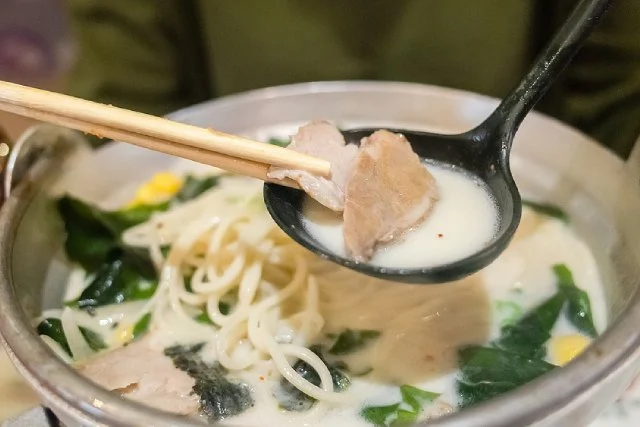
For many ramen lovers, the first thing they notice about a bowl of tonkotsu ramen is its appearance. Unlike clear chicken-based broths or darker soy-based ramen soups, tonkotsu ramen has a distinctive white, cloudy, and creamy appearance. This unique texture often makes people wonder: Why Is Tonkotsu Ramen White and Creamy?
The answer comes from a fascinating cooking process called emulsification. During long hours of boiling pork bones, heat breaks down the structure of the bones, releasing fat, collagen, marrow, and proteins into the water. These elements combine together to create tiny droplets that remain suspended throughout the broth, transforming a simple soup into the rich, silky liquid that defines authentic tonkotsu ramen.
The creamy appearance does not come from dairy products such as milk or cream. Instead, it is created naturally through careful preparation, patience, and the skill of ramen chefs who understand how to extract maximum flavor from pork bones.
The Difference Between Clear Broth and Emulsified Broth
Many traditional Japanese broths are prepared gently to maintain clarity. For example, some chicken or seafood broths are simmered slowly at controlled temperatures so fats remain separated from the liquid. Tonkotsu ramen follows a completely different philosophy.
The goal of tonkotsu is not to preserve separation but to encourage it. Chefs intentionally boil pork bones aggressively, allowing fat and water to combine. The result is a broth where microscopic fat particles are distributed evenly, creating the famous creamy mouthfeel.
This process is similar to how certain sauces become smooth when oil and water are blended together. The difference is that tonkotsu ramen achieves this naturally through hours of cooking rather than using additional emulsifiers.
The Science of Pork Bone Broth Emulsification
The science behind pork bone broth emulsification is one of the most interesting aspects of Japanese ramen craftsmanship. A successful tonkotsu broth depends on balancing heat, time, movement, and ingredients.
1. Breaking Down Pork Bones With Heat
Pork bones contain several important components, including marrow, collagen, minerals, and fat. When exposed to high heat for many hours, these components slowly dissolve into the cooking water.
The marrow inside the bones contributes deep savory flavors, while collagen transforms into gelatin. This gelatin gives tonkotsu broth its thick and luxurious texture. Meanwhile, melted pork fat creates richness and helps carry flavor throughout every spoonful.
The longer cooking process allows more of these elements to enter the broth. Many traditional ramen shops cook their tonkotsu broth for 10 to 20 hours, with some recipes requiring continuous attention throughout the day.
2. Creating Tiny Fat Droplets
The key to the creamy white appearance is the formation of extremely small fat droplets. When pork fat mixes with hot water under intense boiling conditions, the fat breaks apart into tiny particles.
Instead of floating separately on top, these droplets become suspended throughout the liquid. Light reflects differently through the broth because of these particles, giving tonkotsu ramen its signature white color.
3. Collagen Transformation and Mouthfeel
Collagen is another major reason tonkotsu ramen feels rich and smooth. As collagen breaks down during cooking, it becomes gelatin, adding thickness without making the broth heavy.
This gelatin creates the coating sensation that ramen fans often describe as "silky" or "velvety." It also helps flavors stay on the palate longer, making each bite of noodles, pork, and toppings more satisfying.
Ingredients That Create the Famous Tonkotsu Texture
Although pork bones are the foundation of tonkotsu ramen, several ingredients work together to build its complex flavor profile.
Pork Bones: The Foundation of Flavor
Different types of pork bones create different characteristics in the broth. Chefs often combine several varieties:
Femur bones: These large bones contain significant marrow, contributing richness and deep flavor.
Neck bones: These provide collagen and help create a thicker texture.
Back bones and joints: These contain connective tissues that improve body and smoothness.
Some ramen chefs crush or crack bones before boiling them. This exposes more internal material, allowing the broth to become even richer and more opaque.
Aromatics and Flavor Enhancers
While pork creates the foundation, aromatics prevent the broth from becoming overly heavy. Common additions include garlic, ginger, green onions, and other vegetables.
These ingredients add freshness and balance. The garlic aroma commonly associated with many tonkotsu ramen bowls comes from careful seasoning rather than the pork itself.
The Role of Tare and Seasoning
Tonkotsu broth alone is not the final product. Ramen chefs use a concentrated seasoning base called tare to define the final taste.
Different restaurants may use soy sauce-based tare, salt-based tare, or unique house blends. This allows two bowls of tonkotsu ramen to taste completely different even if the broth preparation is similar.
Traditional Tonkotsu Cooking Methods Used by Ramen Chefs
Creating authentic tonkotsu ramen requires more than simply boiling pork bones. The cooking method determines whether the final broth becomes smooth and balanced or overly greasy.
The Importance of Continuous Boiling
Traditional tonkotsu preparation usually involves a rolling boil rather than a gentle simmer. This vigorous movement helps force fat and water together, encouraging emulsification.
A gentle simmer may produce a flavorful broth, but it often remains clearer because the fat does not fully integrate into the liquid.
Removing Impurities Without Losing Flavor
One challenge for ramen chefs is removing unwanted flavors while keeping the valuable components. During early cooking stages, chefs often skim foam and impurities from the surface.
This requires experience because removing too much can reduce richness, while removing too little can create unpleasant flavors.
Maintaining the Broth Over Time
Many professional ramen shops maintain a long-running broth process. Fresh bones and ingredients are continuously added, allowing the flavor profile to develop over time.
This tradition has similarities to other culinary practices where chefs preserve and improve a base recipe through daily care. It represents both technical skill and cultural dedication.
The History Behind Tonkotsu Ramen's Popularity
Tonkotsu ramen originated in Fukuoka, Japan, particularly in the Hakata district. Originally created as an affordable and filling meal for workers, it eventually became one of Japan's most internationally recognized ramen styles.
The original goal was simple: create a nutritious, satisfying dish using inexpensive pork bones. Over time, chefs refined the technique, transforming humble ingredients into a highly respected culinary tradition.
From Local Food to Global Favorite
As Japanese cuisine gained popularity worldwide, tonkotsu ramen became a favorite among international diners. Many restaurants in the United States now serve their own interpretations, combining traditional methods with local preferences.
Modern ramen culture has also introduced creative variations, including lighter tonkotsu broths, spicy versions, and fusion styles. However, the core idea remains the same: a rich pork bone broth created through careful emulsification.
How to Recognize Authentic Tonkotsu Ramen
For diners who want to experience high-quality tonkotsu ramen, appearance alone is not enough. A truly satisfying bowl balances richness, aroma, texture, and seasoning.
Look for Balanced Creaminess
A good tonkotsu broth should feel creamy but not simply oily. The best versions have a smooth texture where the richness supports the other flavors rather than overwhelming them.
Pay Attention to Aroma
Authentic tonkotsu ramen has a deep pork aroma combined with fragrant seasonings. While some people associate pork broth with a strong smell, properly prepared tonkotsu should have complexity rather than unpleasant heaviness.
Explore Quality Ramen Experiences
For those interested in discovering carefully prepared Japanese ramen dishes, visiting a trusted restaurant can provide a better understanding of the craftsmanship behind each bowl. Japanese Restaurant offers opportunities to explore authentic flavors and learn why traditional preparation methods create such memorable meals.
Why Tonkotsu Ramen Remains a Favorite Among Food Lovers
The appeal of tonkotsu ramen comes from the combination of science and tradition. A simple collection of pork bones becomes a rich, flavorful broth through careful control of heat, time, and technique.
Every creamy bowl represents hours of preparation. The white color is not a shortcut or artificial effect; it is evidence of a carefully managed emulsification process that transforms ordinary ingredients into something extraordinary.
For anyone curious about why tonkotsu ramen is white and creamy, the answer lies in the relationship between culinary tradition and food science. Understanding pork bone broth emulsification makes every spoonful more enjoyable because you can appreciate the craftsmanship behind it.
Whether you are trying tonkotsu ramen for the first time or searching for a deeper appreciation of Japanese cuisine, exploring authentic ramen experiences can reveal why this iconic dish continues to attract food lovers around the world.

 SAPPORO JAPANESE RESTAURANT4.0 (353 reviews)
 Hummingbird Sushi4.0 (110 reviews)
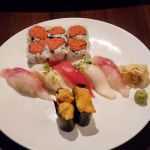 Sushi Ren4.0 (411 reviews)
 Fuji Hibachi Sushi & Lava Bar4.0 (1655 reviews)
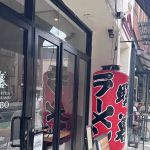 Ramen DANBO West Village4.0 (513 reviews)
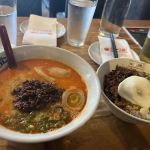 Itto Ramen & Japanese Tapas4.0 (1329 reviews)
 What Makes Ami Japanese Restaurant Stand Out Among Japanese Restaurants
 What Is the Dressing at Japanese Restaurants? Discover the Flavor Behind It
 An Insider’s Review of Sake Japanese Restaurant: Authentic Dining Experience in the Heart of America
 Why Locals Recommend Japanese Restaurant in Las Vegas – Top Japanese Food Spot
 What to Eat at a Japanese Restaurant on Whole30 – Best Compliant Choices
 Understanding the Operations of Japanese Restaurants