
- what-is-yakitori
- history-and-culture-of-yakitori
- different-yakitori-chicken-cuts
- yakitori-seasoning-and-cooking-methods
- how-yakitori-became-popular-worldwide
- how-to-enjoy-authentic-yakitori
- choosing-a-japanese-restaurant-experience
What Is Yakitori? Understanding Japan’s Famous Grilled Chicken Skewers
When people first discover Japanese cuisine, sushi and ramen are often the dishes that come to mind. However, another traditional favorite has gained worldwide attention for its simple ingredients, incredible flavor, and unique cooking style: yakitori. But what is yakitori exactly?
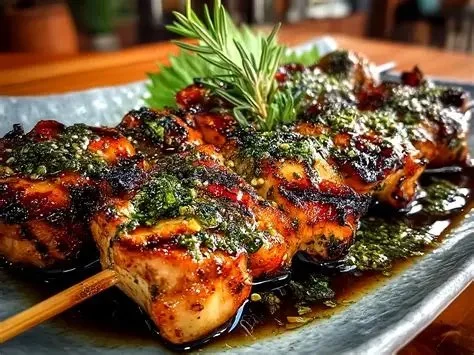
Yakitori is a traditional Japanese dish made from bite-sized pieces of chicken grilled on bamboo or metal skewers over charcoal. The name itself comes from two Japanese words: “yaki,” meaning grilled or cooked over direct heat, and “tori,” meaning chicken. Together, yakitori literally means “grilled chicken.”
Although the idea sounds simple, authentic yakitori is much more than ordinary grilled chicken. Skilled yakitori chefs carefully select different chicken cuts, prepare each piece in a specific way, and grill the skewers over high-quality charcoal to create a balance of smoky aroma, tenderness, and rich flavor.
For many people in Japan, yakitori represents comfort, social connection, and casual dining. It is commonly enjoyed at small neighborhood restaurants, izakayas, festivals, and after-work gatherings. Today, Japanese grilled chicken skewers have become popular around the world because they offer an approachable introduction to Japanese food culture.
1. Why Yakitori Is Different From Regular Grilled Chicken
At first glance, yakitori may look similar to barbecue chicken skewers found in many countries. The difference comes from the attention to detail. Traditional yakitori focuses on using the entire chicken, including cuts that are often overlooked in Western cooking.
Instead of only using chicken breast or thigh meat, yakitori chefs transform different parts of the chicken into unique dishes with different textures and flavors. Some cuts are juicy and fatty, while others have a firm bite and deeper taste.
The Japanese Approach to Using Every Part
A major part of authentic yakitori culture is respecting the ingredient. Japanese chefs often follow the philosophy of minimizing waste and appreciating every part of the chicken.
This approach creates a wide variety of skewers, allowing diners to explore flavors they may never have experienced before. A single yakitori meal can include tender thigh meat, crispy skin, flavorful liver, and delicate cartilage.
The History and Cultural Meaning Behind Yakitori
Yakitori has a long connection with Japanese street food culture and casual dining traditions. While grilled chicken has existed in Japan for centuries, modern yakitori became especially popular during the 20th century when affordable chicken became more widely available.
After World War II, small yakitori stands became common in Japanese cities. These small food stalls provided inexpensive and satisfying meals for workers. The smell of charcoal-grilled chicken drifting through busy streets became a familiar part of urban life.
1. Yakitori as a Social Dining Tradition
In Japan, yakitori is often associated with izakayas, casual restaurants where friends and coworkers gather after work. Rather than being a formal meal, yakitori encourages conversation and sharing.
Customers typically order several types of skewers, share plates, and enjoy them with drinks such as beer, sake, or Japanese highballs. The relaxed atmosphere is one reason yakitori remains popular among people of all ages.
2. How Yakitori Continues to Change
Modern yakitori restaurants continue to experiment with flavors while respecting traditional techniques. Some chefs create creative versions using seasonal ingredients, different sauces, or international influences.
However, the foundation remains the same: quality chicken, careful preparation, and charcoal grilling that brings out natural flavors.
Different Yakitori Chicken Cuts You Should Know
One of the most exciting parts of learning what is yakitori is discovering the wide variety of chicken cuts used in this cuisine. Each skewer offers a different experience, and trying different cuts is the best way to understand the depth of Japanese grilled chicken skewers.
1. Popular Traditional Chicken Skewers
Momo (Chicken Thigh)
Momo is one of the most popular yakitori cuts. Chicken thigh meat contains more fat than breast meat, which keeps it juicy and flavorful during grilling.
Many beginners start with momo because it offers a familiar texture while showcasing the smoky flavor of authentic yakitori cooking.
Kawa (Chicken Skin)
Kawa is chicken skin grilled until it becomes crispy on the outside while remaining rich and savory inside. The rendered fat creates a deep flavor that pairs especially well with salty tare sauce.
For many yakitori fans, perfectly cooked chicken skin represents the skill of the chef because achieving the right balance between crispiness and tenderness requires experience.
Mune (Chicken Breast)
Chicken breast is naturally leaner than thigh meat. In yakitori preparation, chefs often carefully control grilling time to keep it moist and tender.
It is commonly paired with seasonings that enhance the natural flavor rather than overpower it.
2. Less Common Cuts Worth Trying
Reba (Chicken Liver)
Reba is a favorite among experienced yakitori lovers. When prepared correctly, chicken liver has a smooth, creamy texture and rich flavor.
Because organ meats require careful handling and precise cooking, high-quality restaurants pay close attention to freshness and preparation techniques.
Tsukune (Chicken Meatball)
Tsukune consists of seasoned ground chicken shaped around a skewer. It is often mixed with ingredients such as herbs, vegetables, or seasonings before being grilled.
Many restaurants serve tsukune with egg yolk dipping sauce, creating a rich and satisfying combination.
Bonjiri (Chicken Tail)
Bonjiri comes from the tail area of the chicken and is known for its juicy texture and higher fat content. It is considered a specialty cut because of its unique flavor.
Yakitori Seasoning and Cooking Techniques
The flavor of yakitori depends not only on the chicken cut but also on seasoning and grilling technique. Traditional yakitori usually uses one of two main styles: salt seasoning or tare sauce.
1. Shio Style: Simple Salt Seasoning
Shio means salt in Japanese. This method highlights the natural flavor of the chicken by using simple seasoning before grilling.
Skilled chefs understand that high-quality chicken does not need heavy sauces. A small amount of salt allows the smoky charcoal flavor and natural juices to stand out.
2. Tare Style: Sweet and Savory Sauce
Tare is a popular yakitori sauce made from ingredients such as soy sauce, sugar, and other seasonings. The skewers are often brushed with tare multiple times during grilling to build layers of flavor.
The combination of caramelized sauce and charcoal smoke creates the signature taste many people associate with Japanese grilled chicken skewers.
3. The Importance of Charcoal Grilling
Traditional yakitori is cooked over charcoal, often using specialized Japanese charcoal called binchotan. This charcoal burns cleanly and produces steady heat, allowing chefs to carefully control the cooking process.
The goal is to create a beautiful balance: slightly smoky outside, juicy inside, and perfectly seasoned throughout.
How Yakitori Became Popular Around the World
Over the past several decades, Japanese cuisine has expanded globally, and yakitori has found a strong following among international diners.
Many people appreciate yakitori because it is approachable. Unlike some Japanese dishes that require specific knowledge or preferences, yakitori allows diners to start with familiar flavors while gradually exploring new ingredients.
1. The Rise of Japanese Casual Dining
Restaurants around the world have introduced yakitori as part of a growing interest in authentic Japanese casual dining. Food lovers are increasingly interested in traditional cooking methods, regional specialties, and cultural experiences.
Yakitori represents this movement perfectly because it combines craftsmanship with a relaxed dining style.
2. Why American Diners Enjoy Yakitori
For many American diners, yakitori provides a new way to enjoy chicken. Instead of large portions, the focus is on variety, conversation, and experiencing multiple flavors in one meal.
Sharing different skewers with friends creates a dining experience that feels interactive and memorable.
How to Enjoy Authentic Yakitori Like a Local
1. Start With Different Cuts
The best way to experience yakitori is to order a variety of skewers. Try familiar options like chicken thigh before exploring specialty cuts such as liver or cartilage.
Every cut tells a different story about Japanese cooking philosophy.
2. Pair Yakitori With Traditional Drinks
Yakitori is often enjoyed with drinks that complement its smoky and savory flavors. Beer, sake, and Japanese cocktails are common choices.
The combination creates a balanced dining experience where food and conversation are equally important.
Finding a Great Japanese Restaurant for Yakitori
Authentic yakitori depends heavily on preparation skills. The quality of the chicken, charcoal, seasoning, and grilling technique all influence the final result.
When choosing a Japanese restaurant, look for places that respect traditional methods while offering a welcoming dining environment.
Japanese Restaurant provides an opportunity for diners to explore authentic flavors and experience the craftsmanship behind Japanese cuisine. Whether you are trying yakitori for the first time or looking to discover new chicken cuts, exploring a carefully prepared menu can turn a simple meal into a memorable cultural experience.
1. Why Exploring Yakitori Is Worth It
Yakitori proves that great food does not always require complicated ingredients. Sometimes, the most memorable dishes come from simple elements prepared with patience, skill, and respect.
From smoky chicken thigh skewers to delicate specialty cuts, Japanese grilled chicken skewers offer a journey through flavor, tradition, and culinary creativity. The next time you visit a Japanese restaurant, consider ordering yakitori and discovering why this classic dish has captured the hearts of food lovers around the world.


 Hanabi Japanese Grill & Bar4.0 (643 reviews)
 Zou Japanese Steakhouse4.0 (523 reviews)
 Zen Asian Sushi Bar & Grill4.0 (1648 reviews)
 Maluken and Sushi Express4.0 (193 reviews)
 Tokyo Garden4.0 (1151 reviews)
 Ikkyu4.0 (28 reviews)
 Exploring the Menu at Japanese Restaurant Boston
 An Insider’s Review of Kiku Japanese Restaurant
 Top Dishes You Should Order at Yokohama Japanese Restaurant
 What Is O.E.C in a Japanese Restaurant Menu? Meaning and Origins Explained
 What Japanese Restaurants Exist in the USA – A Culinary Exploration
 Why Locals Recommend Fugakyu Japanese Restaurant | An Authentic Japanese Dining Experience