
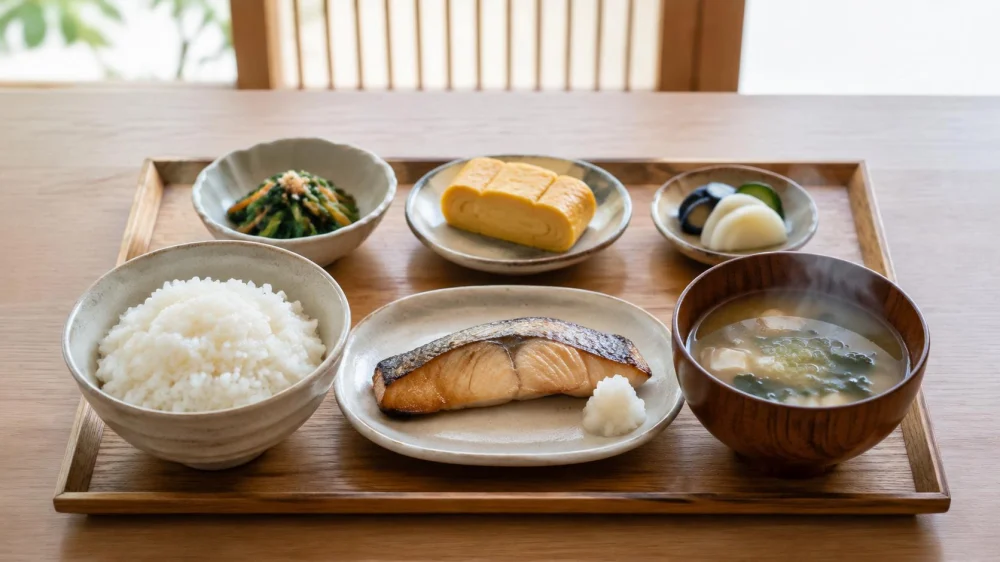
Japanese Breakfast Sets: Rice, Soup, Fish, and Sides
On this page
Quick answer
A Japanese breakfast set commonly organizes a meal around rice, soup, a main item such as grilled fish or egg, pickles, and one or more small sides. Read the set description as a package, not a single entree. Confirm today's fish or egg preparation, side dishes, portion, refill policy, and ingredients before ordering, especially when allergies or dietary restrictions matter.
Understand a japanese breakfast set
For this guide, a japanese breakfast set means a deliberate process for a specific situation rather than a promise of one universal answer. The relevant details can change with equipment, venue, provider, product, weather, health, local rules, and individual needs. Separate what you can observe from what requires measurement, records, or professional judgment.
This article is for readers in United States who want a practical starting point. It is not a substitute for current manufacturer instructions, venue rules, public guidance, contracts, or advice from a qualified professional who can assess the actual situation.
Practical checklist
- Read the current menu description and ask what is actually included today.
- Confirm portion, preparation, accompaniments, price, and whether the item is intended for one person or sharing.
- Describe flavour, texture, richness, and heat preferences instead of relying on labels such as authentic or best.
- Disclose food allergies before ordering and ask about ingredients, substitutions, and shared preparation.
- Choose contrasting items so the order has variety without unnecessary duplication or waste.
- Ask about timing when dishes should arrive together or must be eaten promptly.
- Check takeaway packaging and refrigerate per current food-safety guidance rather than leaving food at room temperature.
Step-by-step plan
- Identify the menu format and the role this item will play in the meal.
- Ask one or two focused questions about unfamiliar ingredients, technique, portion, or heat.
- Balance the order with a different texture, vegetable, staple, or lighter dish where appropriate.
- Confirm allergy and dietary needs using the actual recipe, not assumptions based on the dish name.
- Taste before adding condiments and make small adjustments.
- Note what worked by ingredient and preparation so the preference transfers to another restaurant.
Keep a short record for a japanese breakfast set: date, observed condition, decisions, questions, responsible person, due date, and outcome. Photos or receipts can support the record when appropriate, but store personal, property, or account information securely.
Limits and important notes
Menus, recipes, portions, and kitchen practices vary. Appearance and a familiar name cannot verify ingredients, allergens, nutrition, or food safety. People with serious allergies or medical dietary needs should rely on current restaurant information and qualified health guidance.
Breakfast set components vary by restaurant and may contain fish, shellfish, egg, soy, wheat, sesame, or shared-preparation exposure. Do not assume that a small side is vegetarian or allergen-free based on appearance. Ask staff about the current recipe and cross-contact procedures when an allergy or medical restriction matters.
Frequently asked questions
What should I check first for a japanese breakfast set?
Start with the immediate safety or suitability question, then verify current instructions, condition, scope, timing, and who is responsible.
When is the lowest price not the best choice?
When it changes scope, quality, safety, access, support, or total cost. Compare like with like and document exclusions.
Can online reviews answer the decision?
Reviews can reveal questions to ask, but they may be incomplete, outdated, or unrelated to your exact need. Verify important facts directly.
What if the information conflicts?
Pause and ask the responsible provider, manufacturer, venue, authority, or qualified professional to clarify in writing when possible.
What should I save afterward?
Keep the final instructions, receipt or agreement, relevant photos, results, warranty or follow-up details, and unresolved actions.
Sources and evidence
The restaurant's current menu and staff are the primary sources for what a breakfast set includes today, how each component is prepared, and whether rice or soup refills are available. Traditional meal patterns help explain the role of rice, soup, a main dish, pickles, and sides, but they do not establish a universal recipe. Verify allergens and substitutions directly because stocks, sauces, seasonings, and shared equipment can change the answer.
Conclusion and next steps
Turn a japanese breakfast set into a short sequence: define the goal, verify the critical facts, prepare safely, act within clear limits, and record the outcome. Identify the staple, soup, main dish, pickles, and small sides, then confirm portion, preparation, refills, and dietary needs. If an important fact remains uncertain, pause before committing time, money, access, or safety.

 Nami Nori Williamsburg4.0 (448 reviews)
 Koto Teriyaki & Sushi4.0 (871 reviews)
 AMORE Sushi House4.0 (312 reviews)
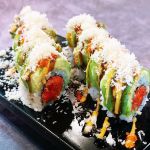 SU20 Sushi/Dessert4.0 (111 reviews)
 Japan Inn4.0 (1394 reviews)
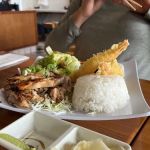 Sushiholic4.0 (256 reviews)
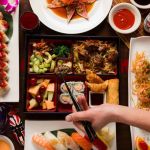 What Makes Sushishima Japanese Restaurant Stand Out Among Japanese Restaurants
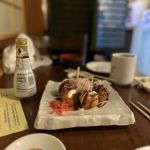 The History and Flavor Behind Goshi Japanese Restaurant
 What to Say When You Enter a Japanese Restaurant: A Cultural Guide
 A Foodie’s Experience at Sushi Yoko Japanese Restaurant
 Why Locals Recommend Tachibana Japanese Restaurant – A Must-Visit for Authentic Cuisine
 Signature Sushi and Ramen at Tanto Japanese Restaurant: A Culinary Delight