
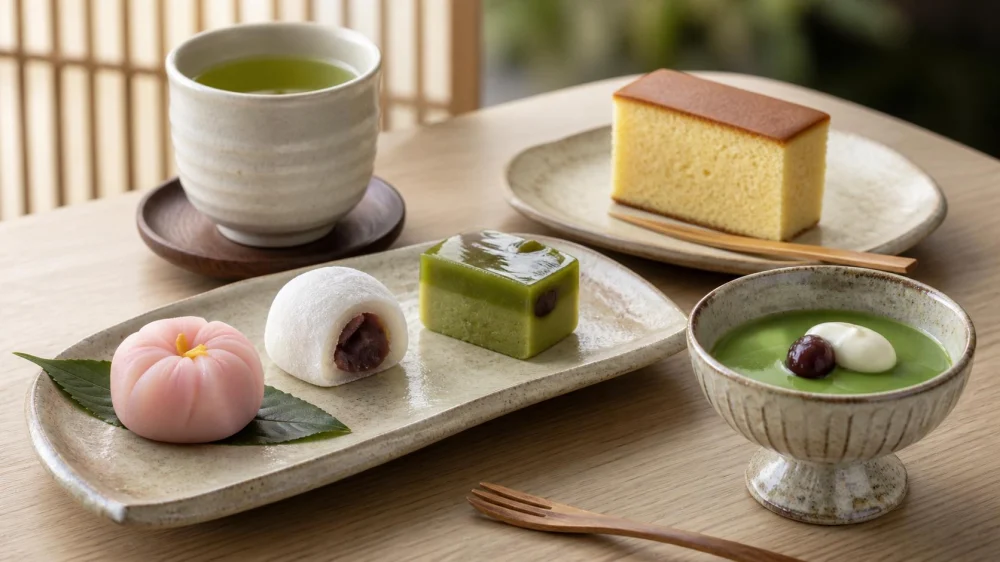
Japanese Dessert Menu: Match Texture, Sweetness, and Tea
On this page
Quick answer
Choose a Japanese dessert by deciding whether you want chewy, creamy, crisp, or cake-like texture, then compare sweetness, temperature, portion size, and tea pairing. Ask what the restaurant actually serves because recipes vary. Confirm dairy, egg, wheat, soy, sesame, nuts, and cross-contact when relevant, and take special care with very sticky rice-cake textures.
A Japanese dessert menu may combine traditional wagashi with modern café sweets, ice cream, parfaits, cakes, and restaurant-specific creations. “Japanese” describes a broad culinary context, not one fixed ingredient list, sweetness level, or preparation method.
Common dessert families
- Wagashi: Traditional confections may use sweet bean paste, rice flour, agar, chestnut, or seasonal ingredients and are often designed to accompany tea.
- Mochi and daifuku: Chewy rice-cake sweets may surround bean paste, fruit, cream, or ice cream. Fillings vary widely.
- Dorayaki and baked sweets: Pancake-like layers, sponge cakes, castella, or pastries offer softer, familiar textures and may contain wheat and egg.
- Matcha desserts: Ice cream, pudding, cake, or parfaits can range from gently grassy to distinctly bitter-sweet.
- Custards and puddings: Purin and similar desserts are smooth and may include dairy, egg, caramel, or restaurant-specific flavoring.
- Frozen desserts: Ice cream, shaved ice, and parfaits can be refreshing but toppings and sauces may substantially change sweetness and allergens.
Menu names can be translated loosely. Ask for a short description of the base, filling, topping, and serving temperature when the name alone does not answer your question.
How to compare texture and flavor
Best for subtle sweetness: A simple wagashi or lightly sweet bean-based dessert may suit diners who want a restrained finish, though the actual recipe controls.
Best for contrast: A parfait or plated dessert can combine cold, creamy, crisp, and chewy elements. It may also be larger and contain more hidden ingredients.
When to choose matcha: Choose it when earthy bitterness sounds appealing. Ask whether matcha is the main flavor or one component with sweet cream, chocolate, or syrup.
When to avoid a very chewy option: Sticky rice cakes may not suit young children, older adults, or anyone with chewing or swallowing difficulty. Select a softer alternative and follow appropriate safety guidance.
A dessert ordering checklist
- Decide whether the table wants one shared dessert or individual portions.
- Name the preferred texture and sweetness rather than asking only for the “most authentic” item.
- Ask which desserts are made in-house, seasonal, limited, or currently unavailable without assuming that one is superior.
- Confirm the complete ingredient and cross-contact information needed for allergies or dietary restrictions.
- Check whether an item contains alcohol-derived flavoring, gelatin, dairy, egg, or other ingredients important to the diner.
- Order hot or frozen items at the right time so temperature and texture are preserved.
For a group, choose two contrasting desserts—for example, one smooth and one chewy—only if all diners can safely share them. Use clean utensils and separate portions when allergies are involved.
How to pair dessert and tea
Tea can refresh the palate, but pairing is personal. Unsweetened green tea may balance a rich or sweet dessert; roasted tea can complement caramel, nutty, or toasted flavors; and a mild tea may keep a delicate confection prominent.
Ask whether tea is included, served by the pot, caffeinated, or available without caffeine. Not ideal: A strong bitter tea and a very subtle sweet may overwhelm each other for some diners. Water remains a useful neutral choice.
When choosing a local restaurant, compare menu clarity, current hours, portion information, accessibility, price transparency, allergy communication, service format, and recent review patterns. Verify important details directly because menus change.
Important allergy and safety notes
Sweet bean paste or rice flour does not automatically make a dessert free from gluten, dairy, egg, nuts, or sesame. Sauces, wafers, cake layers, ice cream, toppings, shared tools, and commercial ingredients can introduce allergens.
Very sticky mochi can present a choking risk. Take small bites, chew thoroughly, supervise children appropriately, and choose another texture for anyone with swallowing difficulty. Seek professional guidance when a medical condition affects safe eating.
Evidence note: The categories and pairings reflect broad culinary practice and general food-safety principles. Individual recipes, terminology, and preparation controls must be confirmed with the establishment.
Frequently asked questions
Is mochi always filled with sweet bean paste?
No. It may be plain or filled with bean paste, fruit, cream, ice cream, or another ingredient. Ask what is inside.
Are Japanese desserts less sweet?
Some are restrained, but this is not universal. Recipe, portion, filling, and topping determine perceived sweetness.
Does matcha dessert contain caffeine?
Matcha naturally contains caffeine, but the amount varies with the recipe and portion. Ask the restaurant if caffeine matters to you.
Can a dessert be shared safely with an allergy?
Shared plates and utensils can increase cross-contact. Explain the allergy and follow the restaurant's guidance; separate portions may be safer.
What is a good first Japanese dessert?
Choose by familiar texture: pudding for smooth, dorayaki for cake-like, ice cream for cold and creamy, or mochi for chewy if safe.
Conclusion and next steps
Start with texture, sweetness, temperature, and portion size, then ask about the actual ingredients and preparation. Pair the dessert with tea only when the flavors suit your preference. A clear description and honest safety check are more useful than assuming every version of a named dessert is the same.

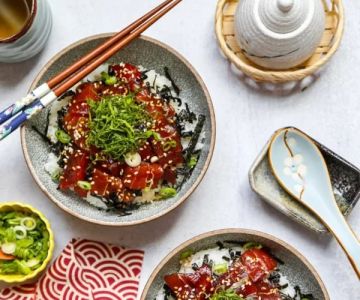
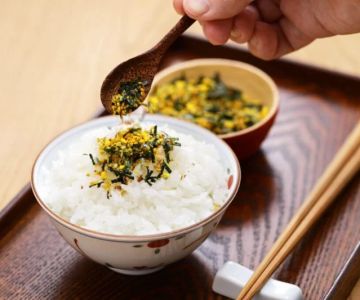
 Maneki Neko Japanese Restaurant4.0 (557 reviews)
 Sushi Den4.0 (418 reviews)
 Matsu4.0 (602 reviews)
 IJ Sushi Burrito -Westlake center3.0 (87 reviews)
 Naruto 5054.0 (31 reviews)
 Little Tokyo Restaurant3.0 (48 reviews)
 A Foodie’s Experience at Tekka Japanese Restaurant
 Why Japanese Restaurant Las Vegas Is a Must-Try Spot for Japanese Food Lovers
 What Makes a Japanese Restaurant SF Stand Out Among Japanese Restaurants
 Why Fujiya Japanese Restaurant Is a Must-Try Spot for Japanese Food Lovers
 Donburi Guide: Choose a Balanced Japanese Rice Bowl
 What Makes Japanese Restaurant Chicago Stand Out Among Japanese Restaurants