Japanese Restaurant Takeout: Choose Dishes That Travel Well
On this page
Quick answer
Japanese takeout travels best when you match the dish to the trip. Choose foods that keep their structure, ask for broth, sauce, crisp toppings, and delicate garnishes to be packed separately, and schedule pickup near the end of preparation. Check the order before leaving, keep hot and cold foods apart, travel directly home, and follow the restaurant's storage and reheating instructions.
This guide is for diners ordering Japanese restaurant takeout in the United States. Menus, recipes, packaging, allergens, and handling instructions vary by restaurant, so ask the venue about a specific dish rather than assuming every version travels the same way.
What makes a dish travel well
Travel quality depends on time, temperature, steam, moisture, and movement. Crisp coatings soften when trapped with steam. Noodles continue absorbing broth. Rice can dry at the edges. Sauces can shift or leak, and carefully arranged items may move during a long drive.
A good takeout choice is not simply the most familiar item. Consider how long the trip will take, whether you can keep the container level, when the meal will be eaten, and whether any component needs immediate refrigeration.
Ask the restaurant which dishes it recommends for your travel time. Staff know the recipe and packaging they actually use. A preparation that works for a short pickup may not suit a long commute or delayed meal.
Compare common dish types
Use these decision rules rather than expecting a guarantee:
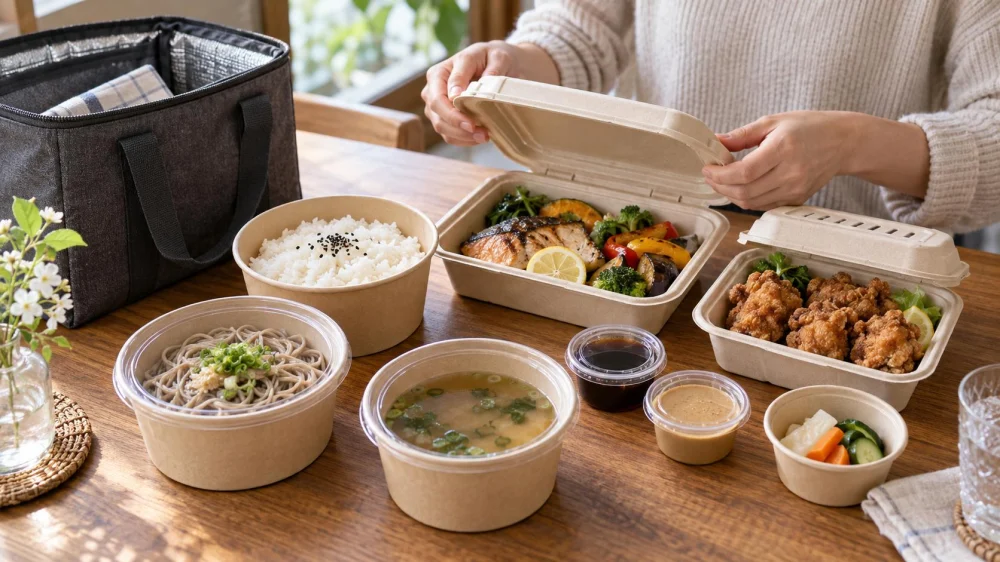
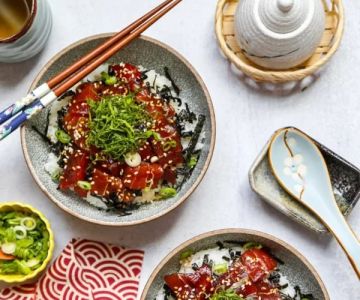
- Rice bowls and set-meal components: often hold their structure, especially when sauce and crisp garnishes are separate.
- Noodles in broth: are more likely to keep texture when noodles, broth, and toppings are packed in separate containers.
- Fried foods: lose crispness when sealed with steam; ask whether vented packaging or separate sauce is available.
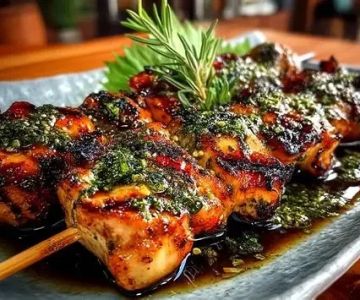
- Grilled items: may travel steadily, but delicate glazes and hot skewers need secure packaging.
- Sushi and sashimi: require careful temperature control and prompt eating; choose them only when pickup and serving can be direct.
- Hot pot or tabletop cooking: may not be suitable for takeout unless the restaurant provides clear, safe home instructions.
- Frozen desserts or delicate sweets: can be sensitive to travel time and temperature.
If texture is the priority, avoid ordering a dish whose defining feature depends on immediate service unless the restaurant has a proven packing method.
How to place the order
Read the takeout menu carefully; it may differ from the dine-in menu. Confirm portion, included sides, preparation options, and any items that cannot be packed separately.
For allergies or medical dietary restrictions, contact the restaurant directly. State the allergen and ask about ingredients, shared fryers, grills, utensils, sauces, and cross-contact procedures. A request for “no sauce” may not address ingredients already used in a marinade or broth.
Ask only for changes the kitchen confirms it can handle. Too many packaging requests can increase confusion. Prioritize the separations that protect safety or the dish's main texture, and repeat essential allergy information when collecting the order.
Pickup and transport checklist
- Choose a pickup time that allows you to travel directly to the serving location.
- Bring a stable, clean carrier that keeps containers upright.
- At pickup, verify the name, number of bags, and major dishes without opening sealed food unnecessarily.
- Confirm that broth, sauces, garnishes, and allergy-marked items are identified in a way you understand.
- Keep hot and cold containers separated to reduce unwanted temperature transfer.
- Secure liquids and place heavy containers below light or delicate ones.
- Do not leave the meal unattended in a parked vehicle.
If the order is delayed or packaging is damaged, ask the restaurant what should be replaced or repacked. Do not carry a leaking hot broth container against your body.
Serve the meal at home
Set out clean serving dishes before opening containers. Combine noodles and broth only when ready to eat. Add crisp toppings and garnishes last. For a group order, keep allergy-sensitive meals separated and use dedicated utensils.
Follow restaurant instructions for reheating. Move food out of any container that is not marked or confirmed as microwave-safe. Stir and check food after reheating because dense rice, meat, and broth can warm unevenly.
Presentation may shift during travel. Rebuilding a bowl or plate can improve the experience, but do not spend time arranging perishable food while it sits at an unsafe temperature. Safety takes priority over appearance.
Food safety and important limits
Perishable food should not remain for extended periods in the temperature range where bacteria can grow. Travel directly, serve promptly, and refrigerate leftovers without unnecessary delay. Use current official U.S. food-safety guidance and the restaurant's instructions for specific time and temperature decisions.
Discard food when packaging is open unexpectedly, leaking from an unknown source, contaminated, or left in uncertain conditions. Smell and appearance cannot reliably prove that food is safe.
People who are pregnant, very young, older, immunocompromised, or managing certain health conditions may need to avoid raw or undercooked foods. Ask a qualified healthcare professional about personal restrictions and ask the restaurant how an item is prepared.
Delivery times and handling may be outside the restaurant's direct control. If timing, temperature, or allergy communication is critical, pickup may offer more control than third-party delivery—but only if you can transport the order safely.
Frequently asked questions
Should ramen broth always be packed separately?
Separate packing often helps preserve noodle texture, but restaurant methods vary. Ask what the venue recommends and how to reassemble or reheat the dish.
Can I reheat food in the takeout container?
Only if the restaurant or packaging clearly indicates that the container is suitable. Otherwise transfer the food to appropriate cookware or a microwave-safe dish.
Is sushi a good choice for a long drive?
It may not be ideal because quality and temperature control become harder over time. Ask the restaurant about your travel plan and choose a different dish when prompt service is not possible.
How can I keep fried food crisp?
Ask whether the kitchen can separate sauce and use packaging that manages steam. Even with careful packing, expect some texture change during travel.
Sources and evidence notes
This article applies broad food-quality and safety principles: steam softens crisp coatings, noodles absorb liquid, separation protects texture, and time and temperature matter for perishable food. Exact ingredients, cross-contact controls, packaging, and reheating directions must come from the restaurant. Current safety rules should be checked with official U.S. food-safety authorities.
Conclusion and next steps
Estimate the travel time first, then choose dishes whose structure and temperature you can protect. Ask the restaurant which components should be separate, communicate allergies directly, keep containers stable, and serve promptly. When the trip is long or handling is uncertain, choose a more durable cooked dish or plan to dine in instead.
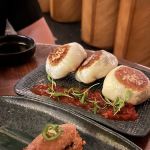 Double Knot Miami4.0 (265 reviews)
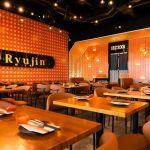 Ryujin Ramen | Roseville4.0 (64 reviews)
 Sushi Dake4.0 (460 reviews)
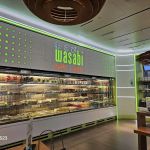 Wasabi sushi & bento4.0 (388 reviews)
 Samurai Sam's3.0 (168 reviews)
 Tokyo Express4.0 (451 reviews)
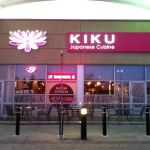 Why Kiku Japanese Restaurant Is a Must-Try Spot for Japanese Food Lovers
 What Japanese Restaurants Exist in the USA – A Culinary Exploration
 Why Locals Recommend Ichiban Japanese Restaurant: Discover What Makes It Special
 Exploring the Menu at Inaba Japanese Restaurant: A Culinary Journey
 What Can You Eat at a Japanese Restaurant on Keto?
 What Makes Gyotaku Japanese Restaurant Stand Out Among Japanese Restaurants: A Unique Dining Experience