
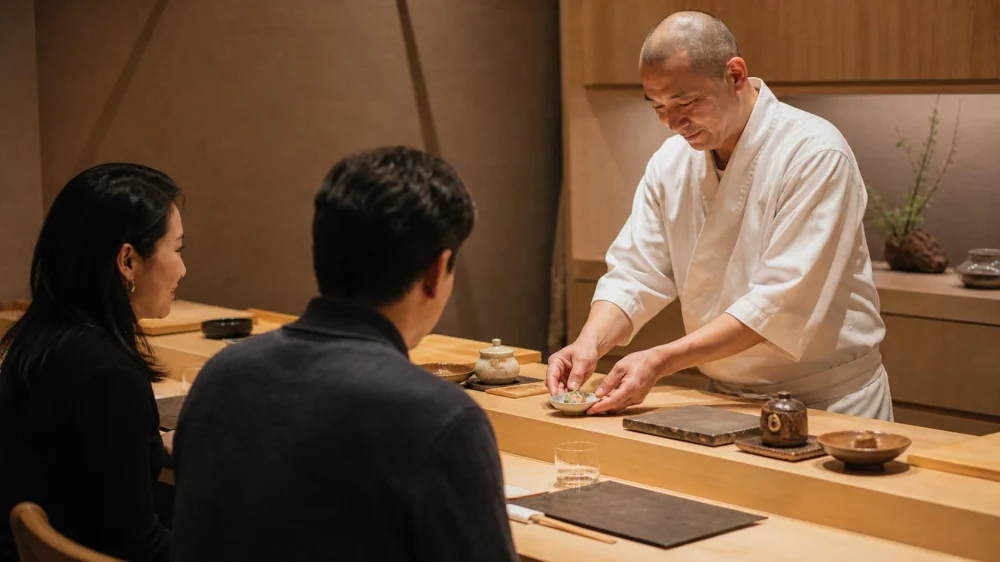
Omakase Dining: How to Prepare and What to Expect
On this page
Quick answer
Omakase is a chef-selected meal whose courses and ingredients may change. Before booking, confirm the format, approximate duration, current price structure, cancellation policy, and whether the restaurant can safely handle your dietary needs. Arrive on time, follow the staff’s pace, ask concise questions, and tell the restaurant about restrictions before the meal—not course by course.
Omakase is commonly understood as entrusting the selection to the chef. In a restaurant, that may mean a sushi-focused sequence, a broader multi-course menu, or another chef’s-choice format. It does not guarantee a particular number of courses, ingredient, price, or style.
What omakase means
The experience is built around sequence and discretion. The chef may adjust the menu to season, supply, the restaurant’s specialty, and the diner’s pace. Some meals are served at a counter with direct interaction; others arrive at a table with less explanation.
- Fixed experience: a stated set price and planned number of courses.
- Flexible experience: courses continue within a range or until a stopping point is agreed.
- Sushi omakase: often includes individual pieces presented in a deliberate order.
- Mixed-course omakase: may include cooked dishes, soup, sashimi, sushi, and dessert.
Read the restaurant’s current description rather than assuming a format from the word alone.
Before you reserve
- Confirm the menu format. Ask whether the meal centers on raw seafood, includes cooked courses, and offers optional additions.
- Clarify cost. Ask what the stated price includes and whether beverages, supplements, service charges, or tax are separate.
- Check timing. Confirm arrival time, seating policy, and approximate meal length. Counter services may begin together.
- Read cancellation terms. Ingredient purchasing and limited seating can make these policies stricter than ordinary reservations.
- Share dietary needs early. Give the restaurant time to say what it can and cannot safely change.
- Ask about access. Confirm counter height, seating, entrance, restroom, and communication needs when relevant.
If you want a particular dish, large substitutions, or full control over each course, an à la carte meal may be a better match.
During the meal
Arrive a little early without expecting to be seated before the service is ready. Avoid strong fragrance that could interfere with the aroma of food in a small counter setting. Put calls on silent and ask before photographing the chef, other diners, or every course.
A simple counter checklist
- Listen for a brief explanation or recommendation about how to eat a course.
- Eat a piece soon after it is served when temperature and texture matter.
- Use hands or chopsticks for sushi according to your comfort and the setting.
- Do not automatically add soy sauce, wasabi, or condiments before tasting.
- Ask focused questions at a natural pause rather than interrupting preparation.
- Tell staff when you are becoming full; do not silently force the pace.
Respectful dining does not require knowing every Japanese term. Paying attention, communicating clearly, and following the restaurant’s cues are enough.
Dietary needs and safety
Omakase can be difficult to modify because ingredients, stocks, sauces, garnishes, and preparation surfaces may be shared. “No shellfish,” for example, can affect more than a visible piece of seafood. Explain whether the issue is an allergy, medical restriction, religious practice, pregnancy-related choice, or preference so the restaurant can respond accurately.
- Contact the restaurant before booking when a reaction could be serious.
- Ask whether it can prevent cross-contact; do not assume a substitution solves it.
- Confirm the restriction again on arrival.
- Follow your clinician’s advice and carry prescribed emergency medication as directed.
- If the restaurant cannot meet the need confidently, choose another format or restaurant.
Raw or undercooked foods can carry health risks. People with individual risk factors should follow current professional medical guidance rather than relying on a general dining article.
When to choose or avoid omakase
Best for: diners who enjoy discovery, can accept a changing menu, value pacing and technique, and are comfortable communicating a few essential boundaries in advance.
Not ideal for: diners who need many substitutions, want exact control over price or ingredients, have a restriction the restaurant cannot safely accommodate, or prefer a quick, casual meal.
Important notes
Omakase customs vary across Japan, the United States, individual chefs, and restaurant types. This guide describes broad dining practice, not a universal rulebook. Current menu, price, dress, gratuity, photography, cancellation, and service policies should come directly from the restaurant.
Evidence note: The guidance emphasizes clear advance communication, respect for the restaurant’s stated format, and food-safety boundaries. It does not certify a restaurant’s authenticity, allergy controls, ingredient sourcing, or handling practices.
Frequently asked questions
Is omakase always sushi?
No. Sushi omakase is common, but chef’s-choice meals can use many cooking styles. Check the restaurant’s description.
Can I ask the price before booking?
Yes. Ask for the current base price, what is included, and which additions or charges may be separate.
Do I have to eat every course?
No. Communicate politely if you cannot finish or need the pace adjusted. Advance notice is better for known restrictions.
Should I use soy sauce on every sushi piece?
No. Some pieces may already be seasoned. Taste or follow the chef’s cue before adding condiments.
Next steps
- Compare the restaurant’s current omakase format with your preferences.
- Confirm price structure, duration, cancellation policy, and access.
- Discuss dietary restrictions before reserving.
- Arrive on time and follow the pace and seasoning cues.
- Choose another menu format when flexibility or safety is uncertain.
A good first omakase experience begins before the first course: know what the restaurant offers, communicate the boundaries that matter, and leave enough room for the chef-selected sequence to be the point of the meal.


 Hawaiian BBQ Nishikawa Ramen4.0 (1088 reviews)
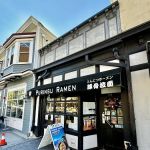 Purinsu Ramen3.0 (332 reviews)
 Niki's Tokyo Inn4.0 (744 reviews)
 Fuji Hibachi Express Spring Hill4.0 (503 reviews)
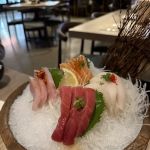 HARU sushi4.0 (584 reviews)
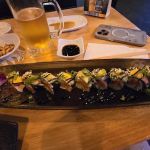 Inari Sushi Fusion Kendall4.0 (1509 reviews)
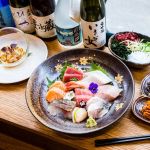 Why Locals Recommend Japanese Sushi Restaurants
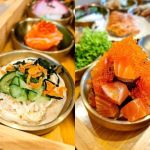 What Makes Sushi Yoko Japanese Restaurant Stand Out Among Japanese Restaurants
 Douzo Modern Japanese Restaurant Review | Best Sushi and Japanese Dining in Boston
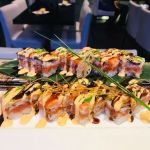 Exploring the Menu at Taki Japanese Restaurant Dunwoody
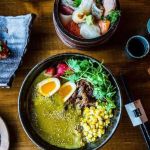 The Complete Guide to Dining at Best Japanese Restaurants Near Me
 A Foodie’s Experience at the Best Japanese Restaurant in Los Angeles