
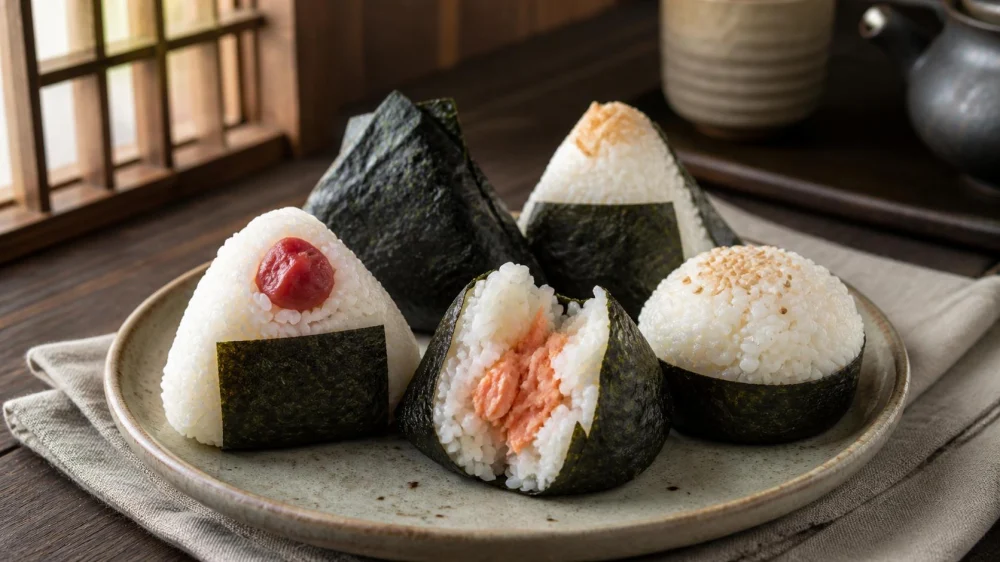
Onigiri Guide: Fillings, Shapes, and How to Eat Them
On this page
Quick answer
Onigiri are compact portions of seasoned or lightly salted Japanese rice, commonly shaped into triangles, rounds, or cylinders and often wrapped with nori. Choose fillings by taste: salmon for savory richness, umeboshi for tart saltiness, kombu for sweet-savory depth, or tuna mayonnaise for a creamy modern option. Eat them by hand unless the setting suggests otherwise.
This guide is for diners in the United States exploring onigiri at Japanese restaurants, markets, and cafes. Menus and preparation vary, so ask the business about ingredients, allergens, and storage rather than assuming every version follows the same recipe.
What is onigiri?
Onigiri, also called omusubi in some contexts, is a portable rice food with a long place in Japanese everyday eating. It is not simply “triangle sushi.” Sushi rice is characteristically seasoned with vinegar, while onigiri is commonly made from plain Japanese short-grain rice with salt, filling, seasoning, or a coating.
The rice is pressed firmly enough to hold but should still have a pleasant grain texture. A filling may sit in the center, be mixed through the rice, or appear on the surface. Nori provides aroma, savory flavor, and a convenient place to hold the rice.
Onigiri can be a snack, a light meal component, or part of a lunch. Portion size and filling intensity determine whether one feels sufficient or whether several varieties make more sense.
Choose a filling by flavor
- Salmon: usually savory and moderately rich. Preparation may be grilled, salted, or flaked, so texture and salt level vary.
- Umeboshi: pickled plum with a strong tart, salty character. Best for diners who enjoy sharp flavors rather than sweet fruit.
- Kombu: simmered kelp with a concentrated sweet-savory taste and slightly chewy texture.
- Tuna mayonnaise: creamy, mild, and familiar to many first-time diners. Recipes can include different seasoning or onion.
- Okaka: bonito flakes commonly seasoned with soy sauce, creating a smoky, savory profile.
- Mentaiko or tarako: seasoned or salted pollock roe with a briny character; mentaiko is often the spicier choice.
- Takana or other pickles: vegetable-forward fillings with salt, tang, and sometimes chile heat.
Names can describe a family of preparations rather than one fixed recipe. If you avoid fish, meat, egg, dairy, soy, gluten, sesame, or another allergen, ask about the entire onigiri—including seasoning, mayonnaise, nori flavoring, and shared preparation—not only the visible center.
Shapes, coatings, and nori
Triangle is the most recognizable shape, but round, oval, cylinder, and bale-like forms are also normal. Shape does not reliably identify the filling. Some businesses label the wrapper, use a visible topping, or present a cut sample; when uncertain, ask.
Nori may wrap the whole rice ball, cover one section, or be packaged separately to stay crisp. Freshly wrapped nori starts crisp and gradually softens as it absorbs moisture from the rice. Neither texture is inherently wrong—it depends on timing and preference.
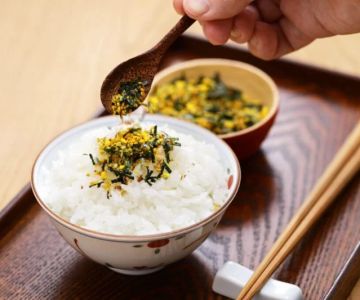
Other versions may be coated with sesame, furikake, chopped herbs, or seasonings. Yaki onigiri is grilled, often with a seasoned surface, producing toasted aroma and a firmer exterior. It may be unfilled or filled, depending on the kitchen.
Ordering and eating checklist
- Pick a flavor direction. Choose mild and creamy, rich and savory, tart and salty, spicy, or vegetable-forward.
- Check the serving style. Ask whether it is served warm, room temperature, grilled, or packaged for later.
- Confirm ingredients. Ask about the filling, rice seasoning, nori, coatings, mayonnaise, and relevant cross-contact risks.
- Open packaged nori carefully. Follow the package sequence if provided so the seaweed wraps the rice without tearing.
- Hold it gently. Use the nori or wrapper and avoid squeezing hard enough to compact or break the rice.
- Eat promptly. Follow the seller's storage guidance, especially for fillings containing fish, mayonnaise, or other perishable ingredients.
Eating by hand is common and practical. Chopsticks may be used when the onigiri is plated, very soft, shared, or served in a setting where utensils are expected. Take cues from the restaurant and avoid turning etiquette into a performance.
What to pair with onigiri
For a light meal, pair onigiri with miso soup, a simple salad, pickles, or a small vegetable side. A richer filling works well beside something clean and crisp, while a tart umeboshi onigiri can balance a mild soup.
When sampling several, vary the flavor and texture rather than ordering three similar mayonnaise-based fillings. One grilled, one seafood, and one pickled or vegetable option creates a clearer comparison. Tea is a natural beverage choice, but the restaurant's menu may suggest other combinations.
Important notes
- Onigiri is not automatically vegetarian, vegan, gluten-free, or allergen-free.
- Bonito, fish roe, mayonnaise, soy-based seasoning, sesame, and shared equipment may be present even when they are not obvious.
- Rice foods with moist fillings require appropriate time and temperature handling; use the seller's instructions and do not leave them unrefrigerated indefinitely.
- Names and romanization vary between menus, and a familiar name can hide a house-specific recipe.
- People with medical dietary restrictions should request ingredient information directly from the restaurant rather than relying on a general guide.
Frequently asked questions
Is onigiri the same as sushi?
No. Both feature rice, but sushi typically uses vinegar-seasoned rice. Onigiri commonly uses plain or salted short-grain rice and is shaped as a portable everyday food.
Do all onigiri contain fish?
No. Fillings can include pickled plum, kombu, vegetables, and other options. However, sauces or seasonings may contain fish or other animal ingredients, so confirm the recipe when it matters.
Should onigiri be hot or cold?
It can be served warm, at room temperature, chilled, or grilled depending on the style and seller. Flavor and texture change with temperature; follow storage guidance for safety.
Why is the nori sometimes separate?
Separate packaging helps keep nori crisp until eating. When nori directly touches moist rice, it softens over time, a texture some diners also enjoy.
Is onigiri a full meal?
It can be a snack or part of a meal. Consider portion size, filling, appetite, and side dishes rather than assuming every rice ball is equivalent.
Sources and evidence notes
This article reflects broadly established Japanese food terminology and common restaurant practice: onigiri uses compacted short-grain rice, appears in multiple shapes, and may contain or be coated with varied savory ingredients. Exact recipes, portion sizes, and service customs differ by region and business.
Ingredient, allergen, dietary, and storage decisions should rely on current information from the restaurant or food seller.
Conclusion and next steps
For a first tasting, choose two contrasting onigiri—perhaps a mild salmon or tuna mayonnaise option and a sharper umeboshi or kombu option. Notice the rice texture, filling distribution, nori texture, and salt balance. Once you know which direction you prefer, explore grilled versions and seasonal house fillings while continuing to confirm ingredients that matter to you.


 Edo Japanese Cuisine5.0 (29 reviews)
 KazuNori: The Original Hand Roll Bar®4.0 (155 reviews)
 Sushi Lucy4.0 (372 reviews)
 Azuma Sushi & Teppan4.0 (2249 reviews)
 Miso Restaurant4.0 (994 reviews)
 Kakurega Sushi4.0 (118 reviews)
 The History and Flavor Behind Bozu Japanese Restaurant
 Why Umami Japanese Restaurant Is a Must-Try Spot for Japanese Food Lovers
 What to Say in a Japanese Restaurant: A Guide for Visitors
 Signature Sushi and Ramen at Japanese Restaurants in Houston
 What is a Japanese Restaurant? Discover Popular Dishes and History
 A Foodie’s Experience at Shimogamo Japanese Restaurant – A Taste of Authentic Japanese Cuisine