
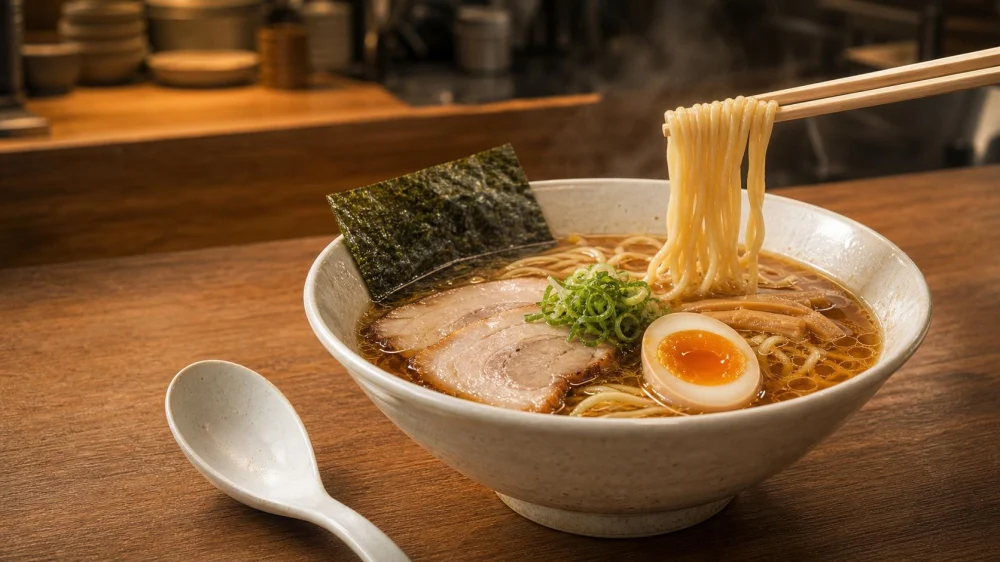
Ramen Broth Is Only the Start: Build a Balanced Bowl
On this page
Quick answer
A ramen bowl is a coordinated system of broth, concentrated seasoning called tare, aromatic oil, wheat noodles, and toppings. Start with the restaurant’s signature bowl, then adjust only what matters: richness, salt intensity, spice, noodle firmness, or one topping. Shoyu, shio, and miso usually describe seasoning, while tonkotsu describes a pork-bone broth, so menu labels can overlap.
This guide helps diners read ramen menus at Japanese restaurants in the United States. Shops develop their own recipes and may use style names differently. The menu description and staff explanation are the best sources for a specific bowl.
The five parts of a ramen bowl
Ramen is a Japanese noodle dish with roots in Chinese wheat-noodle cooking. What makes a restaurant bowl distinctive is not one ingredient but the way five elements are tuned together:
- Broth or stock: The liquid foundation may use pork, chicken, seafood, vegetables, kelp, dried fish, or a combination.
- Tare: A concentrated seasoning mixture placed in the bowl to define salt level and much of the flavor direction.
- Aromatic oil: Fat carrying aromas such as chicken, pork, garlic, scallion, sesame, or seafood.
- Noodles: Wheat noodles made with alkaline ingredients that influence their color, aroma, and springy texture.
- Toppings: Chashu, egg, bamboo shoots, scallions, seaweed, corn, mushrooms, or other additions chosen to complete the style.
When a bowl feels balanced, each element supports the others. A rich broth may pair with a firm thin noodle and restrained toppings; a lighter broth may highlight delicate aroma and a springier noodle.
Broth and tare are different decisions
Menu shorthand can be confusing because common names do not all describe the same layer. Shoyu points to soy-sauce seasoning, shio to salt-based seasoning, and miso to fermented soybean-paste seasoning. Tonkotsu, by contrast, refers to pork-bone broth.
That means a chef can season a pork, chicken, or seafood broth with shoyu. A tonkotsu bowl also needs seasoning and may use shio, shoyu, or a house blend. The visible color alone does not reveal every component.
Aromatic oil is another layer. A clear broth can taste rich when it carries a generous oil, while a cloudy broth can be carefully balanced rather than simply “heavy.” Ask about body, salt, aroma, and spice separately instead of using color as the only clue.
Choose a flavor profile
Use these broad starting points:
- Shoyu: Choose when you want a soy-led savory aroma. It can be light and clear or deep and rich depending on the stock and oil.
- Shio: Choose when you want the underlying stock and aromatics to remain easy to notice. “Salt” describes the seasoning style, not necessarily a weak flavor.
- Miso: Choose for fermented depth and a fuller, often robust profile. Miso ramen may pair with vegetables, corn, butter, garlic, or spice, but additions vary.
- Tonkotsu: Choose for pork-bone body and a cloudy appearance. Texture can range from smooth to very concentrated.
- Chicken or seafood-forward bowls: Choose when you want the broth ingredient to lead. The tare still determines whether the final bowl reads as shoyu, shio, or another house style.
Best for a first visit: Order the shop’s signature bowl at its standard settings. It is usually the combination the kitchen has tuned most carefully.
Not ideal for guessing: Terms such as “rich,” “spicy,” “black,” “white,” or “special” are restaurant-specific. Read the ingredient description and ask what the modifier changes.
Match noodle shape and firmness
Ramen noodles can be thin or thick, straight or wavy, low- or high-hydration, and soft or firm. Shape changes how noodles carry soup; firmness changes both chew and how the texture evolves in the hot bowl.
Thin noodles cook and soften quickly, so they often reward immediate eating. Thick or wavy noodles can provide a more substantial chew and hold up to concentrated soup. These are common pairings, not rules.
If the restaurant offers firmness choices:
- Choose the standard setting on a first visit.
- Choose firmer when you value chew and plan to eat promptly.
- Choose softer when that texture is more comfortable, understanding that the noodles will continue changing in hot broth.
- Do not assume an extra-firm option is “more authentic”; it may belong to one regional style or shop system.
Some tonkotsu shops offer kaedama, an additional portion of noodles for the remaining soup. Order it before the first noodles are completely gone so the refill can arrive while the broth is still hot.
Add toppings without burying the bowl
Extra toppings add texture and variety, but they also change temperature, salt, fat, and the broth-to-noodle ratio. A fully loaded bowl is not automatically a better expression of the chef’s soup.
Choose additions by function:
- Chashu: More richness and meat; preparation may be pork belly, shoulder, chicken, or another cut.
- Seasoned egg: Creaminess and a soft center when prepared that way.
- Menma: Seasoned bamboo shoots that add chew and savory flavor.
- Scallions or onions: Fresh sharpness against a rich broth.
- Nori: Seaweed aroma that changes as it softens.
- Corn, mushrooms, greens, or sprouts: Sweetness, earthiness, freshness, or crunch depending on the bowl.
- Chili paste or oil: Heat and aroma that can quickly dominate a delicate stock.
On a first order, add no more than one topping unless the menu’s “special” version is a deliberate house composition. Taste the broth before using table garlic, sesame, chili, vinegar, or pepper.
A practical ordering sequence
- Identify the specialty. Look for the bowl featured first, pictured prominently, or named after the restaurant.
- Read the base. Note the broth ingredients and whether the seasoning is shoyu, shio, miso, spicy, or a house blend.
- Confirm the default. Ask about richness, spice, noodle texture, and raw or undercooked toppings.
- Make one adjustment. Choose a noodle firmness, spice level, or single extra topping rather than changing every variable.
- Check sides and size. Ramen may already be a full meal. A smaller bowl plus gyoza or rice may fit better than an oversized order.
- Eat promptly. Taste broth, noodles, and topping early because noodle texture and soup temperature change quickly.
You may use chopsticks for noodles and toppings and the spoon for broth. Slurping is acceptable, but it is not required. Finishing the noodles and toppings while leaving some broth is also a complete meal.
Dietary and allergen questions
Ramen has ingredients that are easy to miss. Noodles generally contain wheat. Broths and tare may include soy, fish, shellfish, sesame, egg, dairy, alcohol-based seasonings, or meat ingredients. A “vegetable” topping list does not prove the broth is vegetarian.
Before ordering with an allergy or dietary restriction, ask:
- What are the broth, tare, and aromatic oil made from?
- Do the noodles contain egg as well as wheat?
- Is miso, soy sauce, sesame, fish, or shellfish used in a hidden component?
- Can the kitchen control cross-contact on shared pots, strainers, utensils, or preparation surfaces?
- Are the egg and meat fully cooked to the diner’s needs?
Removing a topping after service does not remove ingredients already in the broth. If the restaurant cannot verify the recipe or cross-contact controls, choose an item it can explain safely or dine elsewhere.
Culture notes and limitations
The Japan National Tourism Organization’s ramen guide describes the common shio, shoyu, miso, and tonkotsu categories, regional variation, alkaline wheat noodles, and related dishes such as tsukemen and mazesoba. Japan’s Ministry of Agriculture, Forestry and Fisheries presents ramen as a coordinated combination of soup, noodles, toppings, and regional or shop-specific technique.
These are broad cultural explanations. U.S. restaurants may adapt recipes, portion sizes, ingredients, ordering systems, and terminology. The shop’s current menu controls what is actually served.
Frequently asked questions
Is shoyu ramen always clear and light?
No. Shoyu identifies soy-sauce seasoning, not one broth weight or color. It can season chicken, pork, seafood, or blended stocks and may be paired with different aromatic oils.
Is tonkotsu the same as miso ramen?
No. Tonkotsu describes pork-bone broth, while miso describes a seasoning direction. A restaurant can combine pork-bone broth with miso.
What is the difference between ramen and tsukemen?
Ramen usually serves noodles in the soup. Tsukemen generally serves noodles separately with a more concentrated dipping soup. Portion, temperature, and finishing options vary by shop.
Do I have to drink all the broth?
No. Enjoy as much as you want. Finishing the noodles and toppings while leaving broth is normal.
Can ramen be vegetarian or vegan?
Yes, when the restaurant intentionally makes it that way. Confirm the broth, tare, aromatic oil, noodles, and toppings because vegetable garnishes alone do not establish that the full bowl is plant-based.
Next steps
On your next ramen visit, find the house specialty and identify its broth, tare, oil, noodle, and topping choices. Order the standard version or make one deliberate adjustment. Taste the broth first, then eat noodles and toppings while they are hot. That sequence teaches you more about the shop’s style than loading the bowl with every available extra.

 Junn All You Can Eat Sushi4.0 (2020 reviews)
 Sushiko4.0 (221 reviews)
 Kyuramen x TBaar - Oklahoma City4.0 (540 reviews)
 Asi-Fusion Asian Kitchen & Sushi Bar5.0 (32 reviews)
 Aya Sushi4.0 (203 reviews)
 I Love Sushi4.0 (927 reviews)
 Best Dishes You Should Order at Wasabi Japanese Restaurant
 What Fast Food Restaurant Do Japanese Attend on Christmas?
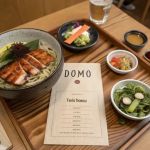 What Makes Domo Japanese Restaurant Stand Out Among Japanese Restaurants
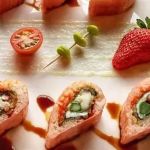 Top Dishes You Should Order at Suteishi Japanese Restaurant
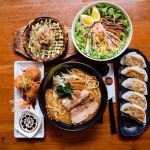 What Makes Yōki Japanese Restaurant & Bar Ramen & Sushi Place Stand Out Among Japanese Restaurants
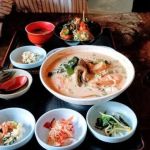 Exploring the Menu at Domo Japanese Country Food Restaurant