
Seasonal Japanese Menus: What Changes and Why
On this page
- Quick answer
- What “seasonal” means on the menu
- Spring and summer patterns
- Autumn and winter patterns
- How to spot a genuine seasonal special
- Questions that help you order
- Seasonality at Japanese restaurants in the US
- Important allergy and sourcing notes
- Sources and evidence notes
- Frequently asked questions
- Next steps
Quick answer
Seasonal Japanese menus change ingredients, cooking methods, garnishes, tableware, and serving temperature to match what is available and enjoyable at a particular time of year. Look for a short specials list, a named ingredient with an origin, or dishes that differ from the permanent menu. Ask what arrived recently, how it is prepared, and whether availability or price can change.
This article helps diners in the United States understand seasonal signals at Japanese restaurants. It is a cultural and ordering guide, not a promise that a named ingredient is local, wild, imported, or available everywhere. Japanese regions and US suppliers follow different calendars.
What “seasonal” means on the menu
The Japanese idea of shun refers to enjoying an ingredient around the time it is considered especially characteristic, abundant, or appealing. In a restaurant, seasonality can appear in several ways:
- a fish, vegetable, fruit, mushroom, or shellfish offered for a limited period;
- a change from chilled to grilled, simmered, steamed, or hot-pot preparation;
- seasonal garnishes, colors, shapes, or serving dishes;
- a festival-linked food or regional specialty;
- a chef’s course that responds to that week’s market supply.
“Seasonal” does not always mean locally grown or harvested that day. It may describe a Japanese culinary association, an imported ingredient’s season, a regional US supply window, or a menu concept. Ask when sourcing matters to you.
Spring and summer patterns
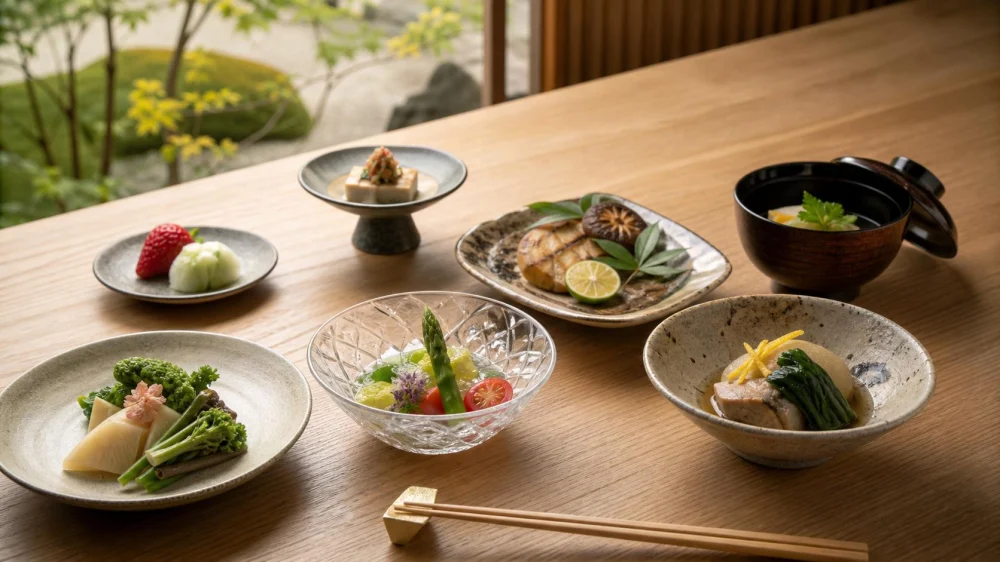
Spring menus often emphasize fresh greens, shoots, peas, young vegetables, delicate seafood, floral or leaf-shaped details, and lighter simmered or dressed preparations. Restaurants may feature bamboo shoot, mountain vegetables, spring cabbage, young ginger, strawberries, or sea bream, depending on supply and style.
Summer commonly brings chilled noodles, cold tofu, vinegared dishes, crisp vegetables, grilled items, shaved ice, citrus, and clean flavors that feel refreshing in warm weather. Unagi, cold soba, somen, cucumber, eggplant, tomato, edamame, and summer festival foods may appear.
These are patterns, not a required list. A sushi restaurant, ramen shop, izakaya, and kaiseki dining room express the same season differently. A restaurant may also preserve, freeze, or source ingredients from another region to extend availability.
Autumn and winter patterns
Autumn menus often highlight mushrooms, sweet potato, chestnut, squash, persimmon, Pacific saury, salmon, richer grilled aromas, and colors associated with changing leaves. Rice dishes may incorporate mushrooms, chestnuts, or other seasonal additions.
Winter shifts toward warmth and depth: hot pot, oden, simmered root vegetables, steamed dishes, grilled fish, thick sauces, hot sake service, and citrus such as yuzu. Crab, oysters, cod, monkfish, napa cabbage, daikon, and burdock may be offered where supply and restaurant type support them.
Cold-weather dishes are not automatically heavy. Clear broths, grated daikon, citrus, and pickles may keep a meal balanced. Likewise, a rich grilled dish can still appear in summer when it has a strong regional or festival connection.
How to spot a genuine seasonal special
A useful seasonal listing is usually specific. It may name the ingredient, preparation, place of origin, course, or limited quantity. Signs worth exploring include:
- a separate insert or short board that changes frequently;
- servers describing what arrived that day or week;
- a market-price item with an explanation of size or origin;
- a tasting course whose components vary with supply;
- preparations chosen for the ingredient, such as salt-grilled, lightly simmered, or vinegared;
- desserts and drinks using a clearly named fruit, tea, or aromatic ingredient.
A seasonal label by itself does not establish quality. The best choice is the one whose ingredient, preparation, portion, and price fit what you want. It is reasonable to order from the regular menu instead.
Questions that help you order
- What is especially seasonal today? This invites a current recommendation instead of a generic best-seller.
- How is it prepared? Raw, grilled, fried, simmered, marinated, and chilled versions can be very different.
- What does it taste and feel like? Ask whether it is mild, rich, bitter, sweet, oily, firm, tender, or chewy.
- Is it a full dish or a small portion? Seasonal plates may be designed for tasting or sharing.
- Is the price fixed? Confirm market price before ordering when the menu does not list an amount.
- Does it contain my allergen or restriction? Ask about broth, sauce, garnish, and cross-contact, not only the main ingredient.
If several specials appeal to you, choose different cooking methods rather than ordering three similar fried or raw dishes. A chilled starter, grilled seasonal item, vegetable dish, and rice or noodle finish can create contrast.
Seasonality at Japanese restaurants in the US
US Japanese restaurants work with local climate, domestic farms and fisheries, import schedules, distributor availability, customer demand, and food-safety requirements. A California menu, a New England menu, and a restaurant importing from Japan may highlight different ingredients on the same date.
Some kitchens use local produce through Japanese techniques; others recreate a Japanese seasonal tradition with imported or cultivated ingredients. Neither approach is automatically more authentic or sustainable. If origin matters, ask for a factual description rather than judging by the dish name.
For local discovery, review the current menu, hours, reservation policy, photos posted by the restaurant, and how recently specials were announced. Call ahead for a limited ingredient rather than assuming an old post is still accurate.
Important allergy and sourcing notes
Seasonal specials may be less fully described on printed menus. Broths, marinades, dressings, and garnishes can contain fish, shellfish, soy, wheat, sesame, egg, dairy, alcohol-derived ingredients, or nuts. Tell staff about medically important allergies before ordering and ask whether the kitchen can manage cross-contact.
Raw or undercooked seafood, meat, or eggs can increase foodborne-illness risk. People who are pregnant, older, immunocompromised, or managing certain health conditions should follow individualized medical guidance and choose cooked alternatives when advised.
Terms such as wild, local, sustainable, organic, and line-caught should be supported by current supplier information. A diner can ask, but restaurant staff may not have every detail during service.
Sources and evidence notes
This article summarizes broad patterns in Japanese seasonal dining and common examples. Ingredient calendars vary by Japanese region, US location, weather, cultivation, fishing conditions, and supply chain. The restaurant’s current description is the best source for what is actually being served.
For allergy, origin, price, and preparation decisions, rely on direct restaurant communication and current menu information. Cultural patterns explain the idea of a dish but do not verify an individual kitchen’s ingredients.
Frequently asked questions
Does a seasonal menu change four times a year?
Not necessarily. Some restaurants revise by broad season, while others change weekly or daily according to the market. A permanent menu may also gain only one or two temporary dishes.
Are seasonal specials more expensive?
They can be, especially when supply is limited or a product is imported, but seasonality does not always mean a higher price. Confirm portion and price before ordering.
Is kaiseki the only seasonal Japanese dining style?
No. Kaiseki makes seasonality highly visible, but sushi bars, noodle shops, izakaya, cafes, bakeries, and casual restaurants can also feature seasonal ingredients and presentations.
Can vegetarian diners enjoy seasonal dishes?
Often, but vegetable dishes may use fish-based broth or garnishes. Ask about the complete preparation and whether a suitable modification is possible.
What if I do not recognize the ingredient?
Ask for its English name, flavor, texture, preparation, and portion. A clear description is more useful than pretending to know it.
Next steps
Before visiting, check the restaurant’s current menu and recent official updates. At the table, ask for one seasonal recommendation and how it differs from the permanent menu. Confirm price, portion, preparation, and dietary details.
Choose a special because the ingredient and cooking method sound appealing, not because “seasonal” guarantees superiority. Over several visits, noticing small changes in produce, seafood, garnishes, temperature, and tableware becomes a practical way to understand Japanese food culture.


 831 Yasai Tokyo Ramen4.0 (47 reviews)
 Masamitsu Japanese Cuisine4.0 (79 reviews)
 Torrance Yokocho3.0 (59 reviews)
 Kyuramen x TBaar - Jacksonville4.0 (511 reviews)
 KoKoRo Ramen4.0 (352 reviews)
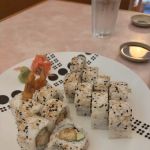 Sakura Sushi Japanese Restaurant4.0 (760 reviews)
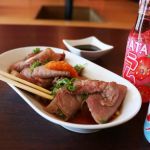 Why Locals Recommend Yoshi Japanese Restaurant
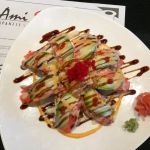 The History and Flavor Behind Ami Japanese Restaurant: A Taste of Tradition
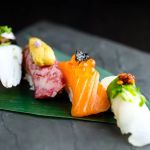 Top Dishes You Should Order at Japanese Restaurants in Chicago
 An Insider’s Review of Aji Ten Japanese Restaurant Canton MI | Japanese Restaurant
 Why Locals Recommend Fujiyama Japanese Restaurant: A Dining Experience Like No Other
 Don Don Japanese Restaurant Sukhumvit: A Hidden Gem for Authentic Japanese Food