
Sushi Menu Terms: Nigiri, Sashimi, and Maki Explained
On this page
- Quick answer
- The core differences
- How nigiri is built
- What sashimi includes
- How maki and other rolls differ
- Useful words elsewhere on the menu
- Build a balanced first order
- Raw seafood, allergies, and dietary checks
- Limitations and important notes
- Frequently asked questions
- Sources and evidence notes
- Conclusion and next steps
Quick answer
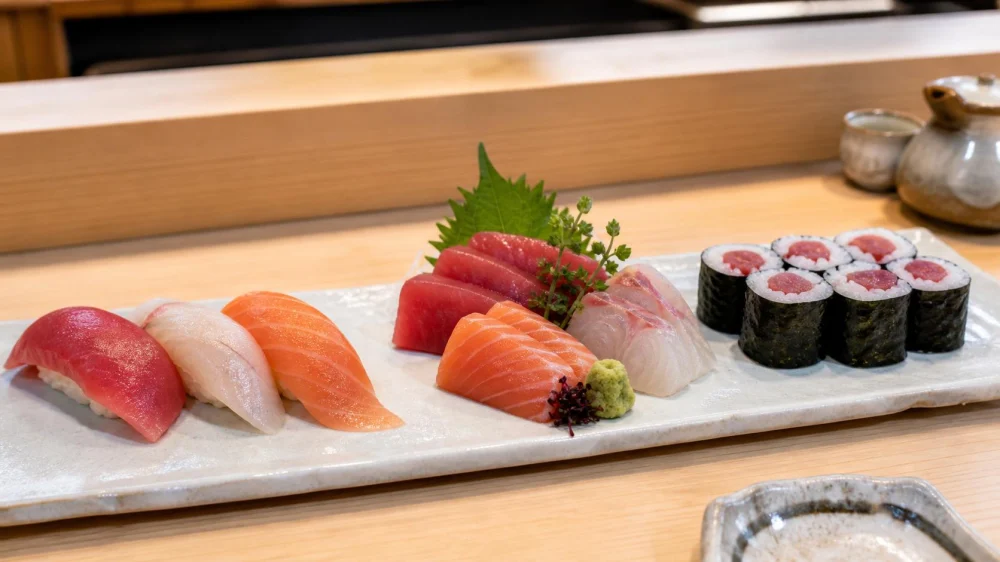
Nigiri is a small hand-formed portion of seasoned rice topped with seafood or another ingredient. Sashimi is sliced seafood or another item served without sushi rice. Maki is a roll made with seasoned rice and fillings, usually wrapped with nori and sliced. For a first order, combine a simple roll with two pieces of nigiri and ask what is cooked.
This guide is for diners reading sushi menus at Japanese restaurants in the United States. Names, portion sizes, ingredients, and preparation vary, so confirm details with the restaurant.
The core differences
Sushi is a category built around seasoned rice, not a synonym for raw fish. The rice is typically seasoned with vinegar and may be paired with raw, cooked, cured, marinated, or plant-based ingredients. Sashimi does not include sushi rice, even when it appears on the same menu.
- Nigiri: topping over a compact bed of seasoned rice.
- Sashimi: slices served without sushi rice.
- Maki: seasoned rice and fillings formed into a roll and cut into pieces.
These labels describe form. They do not by themselves tell you whether an ingredient is raw, cooked, spicy, gluten-free, or free from cross-contact.
How nigiri is built
Nigiri usually arrives as one or two small pieces. The topping may be raw fish, cooked seafood, egg, tofu skin, or another ingredient. A small amount of wasabi or seasoning may already sit between the topping and rice.
Nigiri is best for tasting the relationship between the topping and seasoned rice. Choose it when you want a direct, less complicated preparation. It may be less suitable for someone who prefers fully cooked food unless the specific topping is confirmed as cooked.
Use soy sauce lightly if desired. House seasoning may already be present. If eating by hand is comfortable in the setting, lift the piece gently and try to keep the topping and rice together; chopsticks are also acceptable.
What sashimi includes
Sashimi is generally sliced fish or seafood served on its own, sometimes with garnishes and condiments. It emphasizes the ingredient’s flavor, temperature, cut, and texture. Because there is no sushi rice, it is not technically sushi under the rice-based definition.
A sashimi order often contains several slices, so compare portion size rather than counting menu items. Ask whether an assortment is selected by the chef, whether substitutions are possible, and which pieces are raw, seared, cured, or cooked.
Sashimi is best for diners comfortable with the featured ingredient. It is not ideal as an assumption-based order for someone avoiding raw seafood; “sashimi-grade” language does not remove individual health risks or the need to ask the restaurant.
How maki and other rolls differ
Maki commonly places rice and fillings inside a sheet of nori, then slices the cylinder into bite-size pieces. Common variations include:
- Hosomaki: a thinner roll, often with one main filling.
- Futomaki: a thicker roll with several fillings.
- Uramaki: an inside-out roll with rice on the outside.
- Temaki: a hand roll shaped like a cone and usually eaten soon after serving.
Rolls can combine raw or cooked seafood, vegetables, egg, sauces, fried components, cream cheese, or garnishes. A long ingredient list can mask flavors and make allergy checking harder. Choose a simpler roll when you want to understand one ingredient or reduce uncertainty.
Useful words elsewhere on the menu
- Aburi: commonly refers to a flame-seared preparation; searing the surface does not necessarily cook the center fully.
- Tataki: often describes an item seared on the exterior and sliced, though usage can vary.
- Gunkan: an oval of rice wrapped with nori to hold a loose topping.
- Chirashi: assorted toppings arranged over a bowl or box of seasoned rice.
- Inari: seasoned rice in a sweet-savory tofu pouch; toppings and recipe additions vary.
- Omakase: a chef-selected progression rather than one fixed type of sushi.
Translations are helpful but not universal. Ask how the restaurant uses a term instead of treating a short description as a complete ingredient list.
Build a balanced first order
- Choose your raw-food boundary. Tell staff whether you eat raw, seared, cured, or only fully cooked ingredients.
- Pick one simple roll. A roll with one or two main fillings gives you a familiar base.
- Add two nigiri pieces. Choose different textures, or request cooked options.
- Consider sashimi only if it suits you. Confirm the portion and selection before adding it.
- Order in stages. Start small, notice portion sizes, then add more if needed.
- Ask about house seasoning. Use extra soy sauce, wasabi, and pickled ginger with restraint so you can taste the food.
A decision rule: choose nigiri to compare topping and rice, sashimi to focus on the sliced ingredient, and maki for combined flavors and textures.
Raw seafood, allergies, and dietary checks
Raw or undercooked seafood can carry foodborne-illness risk. People who are pregnant, older, very young, immunocompromised, or living with certain medical conditions should follow guidance from a qualified clinician and applicable public health advice.
Common concerns on sushi menus include fish, shellfish, soy, wheat, sesame, egg, and cross-contact. Soy sauce often contains wheat unless a verified alternative is used. Imitation crab, sauces, tempura crumbs, marinades, and garnishes can contain unexpected allergens.
Tell staff the specific allergy and its severity. Ask them to check ingredients, preparation surfaces, utensils, fryers, and sauces. If the restaurant cannot provide enough information for your needs, choose a dish whose ingredients and handling can be confirmed.
Limitations and important notes
Restaurant terminology evolves and varies by region and business. American-style specialty rolls may not fit a single traditional category, and the same roll name can have different ingredients in different restaurants.
Appearance does not establish doneness. A seared surface can leave the center raw, while some ingredients that look raw may be cured or cooked. Ask directly when preparation matters for safety or preference.
Frequently asked questions
Is all sushi raw?
No. Sushi refers to seasoned rice preparations and can include cooked seafood, egg, tofu, vegetables, or raw ingredients. Confirm each item.
What is the difference between nigiri and sashimi?
Nigiri pairs a topping with seasoned sushi rice. Sashimi is served without sushi rice. Portion sizes and condiments also differ by restaurant.
What is a fully cooked beginner option?
Restaurants may offer rolls or nigiri with cooked shrimp, cooked eel, egg, tofu, or vegetables, but recipes and sauces vary. State that you need every component fully cooked and ask staff to verify.
Should sushi be eaten in one bite?
Many pieces are sized for one bite, which helps keep rice and topping together. If a piece is too large, eat it comfortably without forcing the bite; etiquette should not override safety.
Sources and evidence notes
This guide reflects broad Japanese culinary definitions and common restaurant practice. Exact cuts, fillings, sauces, portions, and service styles vary. Food-safety and allergy decisions require item-specific information from the restaurant and individualized health guidance when relevant.
Conclusion and next steps
Read sushi menus first by form: nigiri has seasoned rice under a topping, sashimi has no sushi rice, and maki combines fillings and rice in a roll. Then check the specific ingredients and preparation. A simple roll plus a small nigiri selection creates an approachable comparison without ordering more than you can evaluate.


 Sima Sushi4.0 (307 reviews)
 Totoyama Ramen DTLA4.0 (96 reviews)
 Ten Shabu4.0 (218 reviews)
 Showwin Japanese Cuisine Southampton4.0 (154 reviews)
 Sushiology4.0 (1569 reviews)
 Maguro Sushi House4.0 (207 reviews)
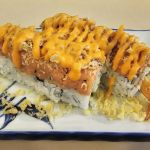 Why Aji Ten Japanese Restaurant Canton MI Is a Must-Try Spot for Japanese Food Lovers - Japanese Restaurant
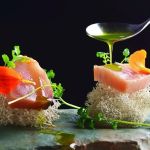 Top Dishes You Should Order at Miyako Japanese Restaurant: A Culinary Journey
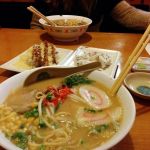 Signature Sushi and Ramen at Hanaoka Japanese Restaurant
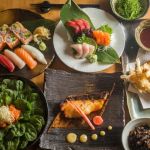 Kazu Japanese Restaurant Review: A Taste of Authentic Japanese Cuisine
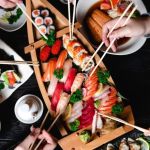 The Complete Guide to Dining at Chiba Japanese Restaurant
 Why Locals Recommend Yellowtail Japanese Restaurant & Lounge Menu