Teishoku Guide: How Japanese Set Meals Are Organized
On this page
Quick answer
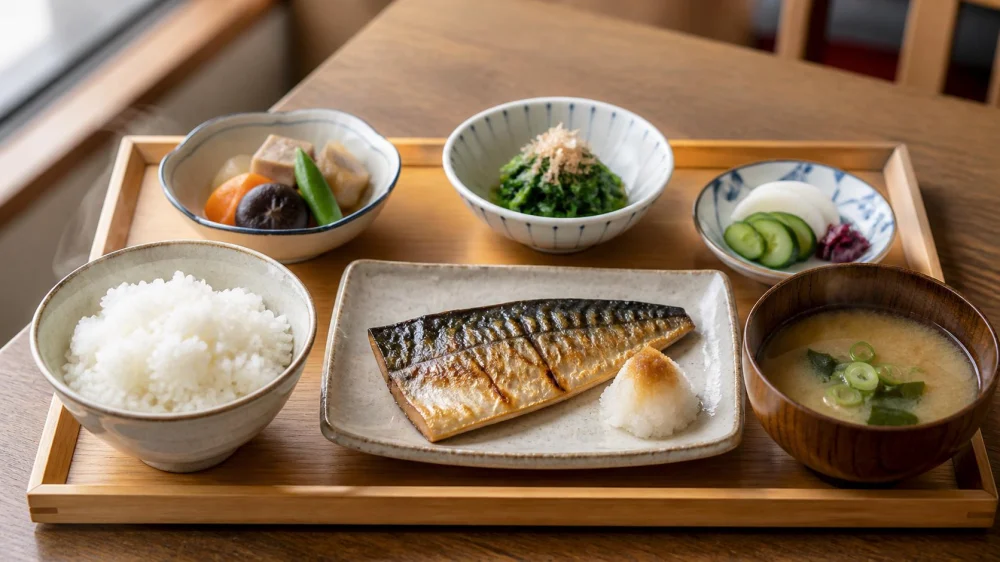
Teishoku is a Japanese set-meal format built around a featured dish served with several defined accompaniments. A typical restaurant set may include rice, soup, a main dish, one or more small sides, and pickles. Choose by the main dish first, then check what the set includes, whether substitutions or refills are offered, and which ingredients appear across the broth, sauces, and side dishes.
For diners in the United States, teishoku can be a practical way to try several complementary flavors in one order. The exact components, portions, service style, and terminology depend on the restaurant; a menu label is more reliable than assumptions about what every set “should” contain.
What teishoku means
Teishoku generally means a fixed or set meal rather than a single stand-alone plate. The restaurant groups a featured preparation with staple and side dishes intended to be eaten as one meal. Unlike a build-your-own bowl, the kitchen usually determines the basic combination.
The format reflects a familiar washoku arrangement in which rice and soup accompany a main dish and vegetable-based sides. It can appear at casual diners, lunch counters, family restaurants, izakaya-style venues, and specialty restaurants, but not every establishment uses the same number of dishes.
A teishoku is best understood as a structure, not a recipe. Grilled fish, fried pork, sashimi, tofu, simmered foods, hamburger steak, and many other mains can anchor the set. Restaurants in the United States may also adapt sides, grains, or portion sizes for local ingredients and customers.
Common parts of the set
Use the menu description to identify each role:
- Staple: commonly steamed rice, though mixed-grain rice or another option may be offered.
- Soup: often miso soup or a clear broth, with ingredients that vary by restaurant and season.
- Main dish: the item that usually gives the set its name, such as grilled mackerel, chicken karaage, tonkatsu, or tofu.
- Small sides: vegetables, tofu, seaweed, salad, simmered foods, or another changing preparation.
- Pickles: a small serving of tsukemono may add saltiness, acidity, crunch, or a refreshing contrast.
- Condiments or sauce: provided for the main or one particular side, not necessarily the entire tray.
Some sets include dessert, tea, raw egg, grated daikon, cabbage, natto, chawanmushi, or a second featured item. These are possibilities, not universal requirements. A photo may show the arrangement, but ask if a pictured side changes daily.
Choose the main dish
Start with cooking method and flavor rather than the unfamiliar name alone. That makes comparison easier across a long set-meal menu.
- Grilled: often a direct taste of fish or meat, sometimes with grated daikon, citrus, or a savory glaze.
- Fried: options such as tonkatsu, karaage, or fried fish emphasize crisp coating and may include a separate sauce.
- Simmered: meat, fish, tofu, or vegetables cooked in seasoned liquid tend to have integrated savory-sweet flavors.
- Raw or chilled: sashimi or cold tofu sets depend on ingredient handling, freshness, condiments, and temperature contrast.
- Pan-cooked: ginger pork, hamburger steak, or stir-fried items can be more sauce-forward and familiar to first-time diners.
Choose grilled or simply seasoned mains when you want clearer ingredient flavor. Choose fried or glazed mains when crisp texture or a stronger sauce matters more. A double-main combination can provide variety but may be larger and more expensive than a standard set.
“Balanced” is a culinary description, not a guarantee that a set meets an individual nutrition goal. Preparation, sodium, added sugar, frying oil, portion size, and personal needs still matter.
Read the menu details
Before ordering, answer five questions:
- Which item is the main dish, and how is it cooked?
- Are rice, soup, pickles, and small sides included or ordered separately?
- Do sides rotate by day or season?
- Are rice size choices, refills, or substitutions available, and do they cost extra?
- Does the stated price include the items pictured, service charges, and applicable taxes?
Menu words can provide clues. Yaki often points to grilling or pan-cooking, age to frying, and ni to simmering, but translations and romanization are not perfectly consistent. Read the English description and ask staff rather than using one word to infer every ingredient.
If two teishoku options share the same main, compare the sides and portion notes. One may add sashimi, dumplings, dessert, or a drink. The larger set is best for a diner who wants that variety, not automatically the better value for every appetite.
How to eat a teishoku
You do not need to finish one component before touching the next. Alternate bites of the main, rice, soup, and sides so that strong, mild, crisp, soft, warm, and cool elements can complement one another.
A practical approach:
- Identify sauces and condiments before adding them.
- Taste a component first so you know whether it needs seasoning.
- Use a condiment with the item it accompanies instead of pouring it over the whole tray.
- Take small portions from shared table condiments with the provided utensil.
- Place bones, shells, skewers, and wrappers where staff guidance or the dish setup indicates.
In many Japanese dining settings, diners lift a small rice or soup bowl closer to the mouth. In a U.S. restaurant, comfortable, neat eating and attention to the restaurant’s setup matter more than performing a rigid script. Ask if you are unsure how to handle a whole grilled fish, hot stone, raw egg, or tabletop cooking element.
Allergies and dietary needs
A multi-dish set can contain an allergen in more than one place. Soy, wheat, sesame, fish, shellfish, egg, milk, and other ingredients may appear in broth, miso, sauces, marinades, dressings, coatings, pickles, garnishes, or shared cooking equipment.
Tell staff about an allergy before ordering and name the ingredient and required avoidance. Ask whether the kitchen can verify every component, prevent cross-contact, and provide a safe substitution. Removing one visible side may not remove the ingredient from soup stock, sauce, or the main dish.
Vegetarian or vegan diners should ask specifically about dashi, which may be made with fish, and about meat or seafood ingredients in broths, sauces, and small sides. Gluten-free diners should ask about soy sauce, marinades, coatings, and shared fryers. A restaurant should tell you what it can verify; if it cannot accommodate the need safely, choose another item or venue.
Limitations and important notes
- Teishoku does not describe one fixed ingredient list or portion size.
- Restaurant photos may show seasonal or optional sides that change without notice.
- Refills, substitutions, and combination upgrades may have limits or extra charges.
- Raw or undercooked foods carry foodborne illness risk; people at higher risk should follow current medical and public-health guidance.
- Nutrition and allergen information must come from the specific restaurant, not from the meal format alone.
For a directory or restaurant guide, confirm current menus, hours, prices, and accommodation policies directly with the restaurant. This article explains a dining format and does not claim that every listed venue serves teishoku.
Sources and evidence notes
The meal structure described here is consistent with Japanese government cultural guidance on washoku: rice and soup are commonly served alongside a main meat or fish dish and one or two vegetable-based side dishes. The restaurant-level examples are general menu interpretation, not rules that every Japanese set meal must follow.
- Japan Ministry of Agriculture, Forestry and Fisheries: What Is Washoku?
- Web Japan: The Japanese Dining Table
Menus outside Japan can adapt this structure. The current restaurant description should be treated as the source for included items and preparation.
Frequently asked questions
Is teishoku the same as a bento?
No. Both can combine several components, but teishoku usually refers to a set meal served as separate dishes or bowls for dining at the restaurant. Bento is associated with food arranged in a compartmented box or container and may be eaten on-site or taken away.
Does every teishoku include miso soup?
No. Miso soup is common, but a clear soup, another broth, or no soup may be served. Check the list of included components.
Can I replace rice with a salad?
Only if the restaurant offers that substitution. Because the set is designed as a fixed combination, changes may be limited or cost extra.
Are teishoku meals always inexpensive?
No. Price depends on ingredients, portion, restaurant type, location, and included extras. Compare the actual components and current price rather than assuming the format guarantees value.
What is a good first teishoku?
Choose a familiar cooking method and a main dish you already enjoy, then use the sides to explore new flavors. A simply grilled, fried, or simmered main can make the format easy to understand.
Next steps
Choose the main dish first, read the included components, and ask which sides rotate. Confirm substitutions, refills, pricing, and allergens before ordering. Once the tray arrives, taste each item and alternate among the main, rice, soup, and sides to experience the set as a complete meal.

 Rai Rai Ramen - Mt. Laurel -4.0 (939 reviews)
 Newport Fusion Sushi4.0 (107 reviews)
 Sushi Palace4.0 (377 reviews)
 King of Ramen Pasadena4.0 (264 reviews)
 Deep Blue Sushi3.0 (643 reviews)
 Leezakaya4.0 (348 reviews)
 Insider’s Review of Japanese Restaurants in Chicago: Best Spots to Try
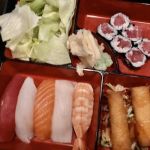 A Foodie’s Experience at Tekka Japanese Restaurant
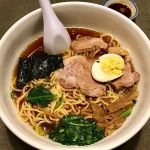 Signature Sushi and Ramen at Aji Ten Japanese Restaurant Canton MI
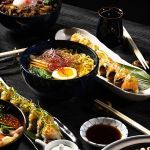 Signature Sushi and Ramen at Shimogamo Japanese Restaurant
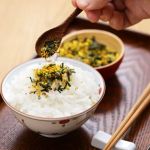 What Is Furikake? Japanese Rice Seasoning Guide
 Top Dishes You Should Order at Yellowtail Japanese Restaurant & Lounge Menu