
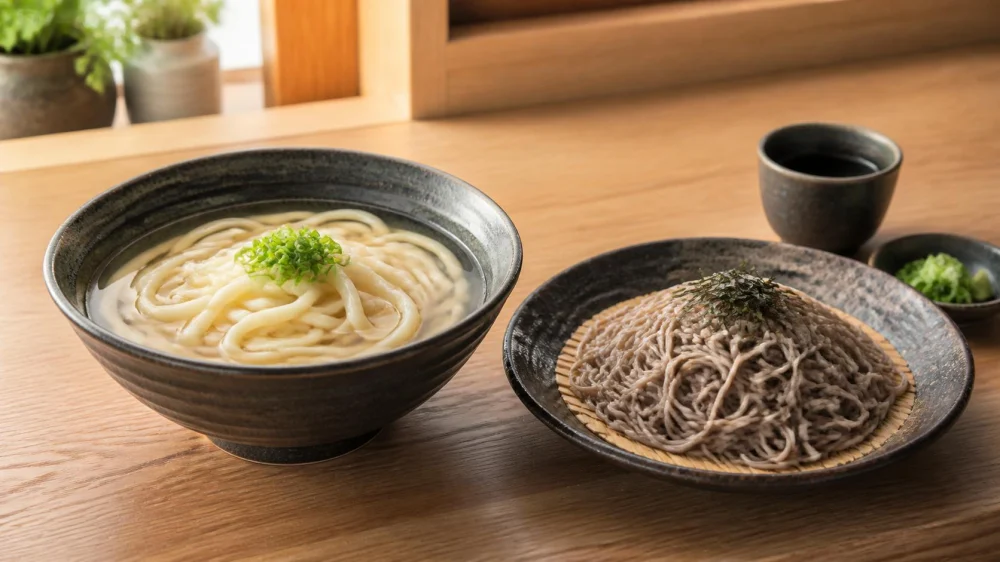
Udon vs. Soba: Choose the Right Japanese Noodle Dish
On this page
Quick answer
Choose udon when you want thick, chewy wheat noodles with a mild flavor that carries broth and toppings well. Choose soba when you prefer a thinner noodle with an earthy buckwheat character, often served either chilled with dipping sauce or hot in broth. Recipes vary, and many soba noodles also contain wheat, so ask the restaurant about ingredients and preparation.
The core difference
Udon and soba are separate Japanese noodle traditions. Udon is generally made primarily from wheat flour, water, and salt, producing a pale, thick noodle. Soba is associated with buckwheat flour and has a thinner profile, a tan-to-gray color, and a more distinct grain flavor.
The definition is useful, but it does not describe every bowl. Regional traditions, flour blends, noodle-making methods, and restaurant choices affect thickness, color, aroma, and texture. In the United States, menus may use familiar labels while adapting portions, garnishes, or broths to the restaurant's style.
Neither noodle is inherently better. The better choice depends on whether you value chew or delicacy, mildness or grain flavor, a full hot bowl or a focused dipping experience.
Texture and flavor
Udon is known for substantial bite. A good strand may feel springy, soft, firm, or especially chewy depending on the style. Its restrained wheat flavor gives the broth, sauce, and toppings a large role. It can be comforting in a simple broth and sturdy enough for curry or a concentrated sauce.
Soba is usually more delicate and can have a nutty, earthy aroma from buckwheat. The proportion and character of buckwheat affect both flavor and handling. Some soba is smooth and mild; another preparation may be darker, more aromatic, and slightly fragile.
When choosing by texture, start with the noodle itself. Udon is best for diners seeking a bold chew and broad strand. Soba is best for diners who want a slimmer noodle and enjoy a noticeable grain character. Toppings can change the overall richness, but they do not erase the base texture.
Hot and cold serving styles
Both noodles can appear hot or cold. A hot udon bowl commonly places noodles in seasoned broth with garnishes or toppings. Cold udon may be served with a dipping sauce or a concentrated sauce poured over the noodles. Restaurant terminology and presentation vary.
Chilled soba is often arranged on a tray or plate with a separate dipping sauce. Take a small bundle, dip enough to season it, and eat; soaking the entire serving can overwhelm the noodle's flavor. Hot soba comes in broth and may be paired with vegetables, tofu, tempura, meat, or other toppings.
Temperature changes the experience. Cold service can emphasize firmness and the noodle's own flavor. Hot broth creates a more unified dish and may soften noodles as they sit. If you care strongly about texture, eat soon after the bowl arrives.
How to choose at a restaurant
- Choose udon for a thick, satisfying chew, a mild noodle, or a hearty broth-and-topping combination.
- Choose soba for an earthy buckwheat note, a lighter-feeling noodle, or a chilled dipping presentation.
- Choose cold service when you want to focus on noodle texture and control each dip.
- Choose hot service when you want warmth and the flavors of noodle, broth, and topping together.
- Choose a simple preparation when tasting a noodle style for the first time; fewer strong toppings make comparison easier.
- Ask the restaurant when menu terms, ingredients, portion size, or spice level are unclear.
Also consider the rest of the meal. A rich topping can make either dish substantial, while a simple chilled preparation may feel lighter. “Hot” can describe temperature rather than chile heat, so do not infer spice without asking.
Ordering checklist
- Decide whether you want a chewy or more delicate noodle.
- Choose hot broth, cold dipping style, or another listed preparation.
- Read which toppings are included and which cost extra.
- Ask whether tempura or other fried items arrive on the side if crispness matters to you.
- Confirm meat, fish, shellfish, egg, dairy, soy, wheat, and buckwheat ingredients when relevant.
- Tell staff about allergies before ordering rather than relying on the dish name.
- Order only the modifications the kitchen says it can prepare safely and well.
Allergies and important notes
Soba is not automatically gluten-free. Many soba noodles contain both buckwheat and wheat, and a restaurant kitchen may use shared water, utensils, fryers, or preparation surfaces. Buckwheat itself can also cause serious allergy. People with celiac disease or food allergies should ask about the specific noodle, sauce, broth, toppings, and cross-contact procedures.
Broths and dipping sauces may contain soy, wheat, fish, shellfish, or other ingredients even when they look simple. Tempura introduces additional batter, oil, and shared-fryer questions. A restaurant cannot always accommodate every restriction safely.
This article describes common patterns, not a standard every restaurant must follow. Portion size, ingredients, etiquette, and service style vary by region, chef, and venue.
Sources and evidence notes
The comparison reflects established culinary distinctions: udon is a wheat noodle tradition, while soba is defined by its relationship to buckwheat and may use a flour blend. Hot broth and cold dipping preparations are broadly recognized for both noodles, but names and recipes vary.
Ingredient and allergy information must come from the restaurant preparing the food. A menu description or visual appearance cannot confirm a safe preparation.
Frequently asked questions
Is udon always thicker than soba?
Udon is generally much thicker, but handmade and regional styles vary. Use the distinction as a starting point rather than an exact measurement.
Is soba served only cold?
No. Chilled soba with dipping sauce is well known, but hot soba in broth is also common. A restaurant may specialize in one style or offer both.
Which noodle has the stronger flavor?
Soba often has a more noticeable grain flavor from buckwheat, while udon tends to be mild. Flour blend, freshness, broth, and toppings affect what you actually taste.
Can I drink the dipping sauce?
Dipping sauce can be concentrated. Some restaurants provide hot soba cooking water to dilute the remaining sauce near the end, but service customs vary. Follow the restaurant's presentation or ask staff.
Which is the lighter choice?
That depends on portion, broth, sauce, and toppings rather than the noodle name alone. Compare the full dish and choose based on your appetite and dietary needs.
Next steps
Choose texture first: broad chew points toward udon, while a slimmer noodle and buckwheat character point toward soba. Then select hot or cold service and check the toppings. If allergies or dietary restrictions matter, confirm the exact noodle and preparation directly with the restaurant before ordering.

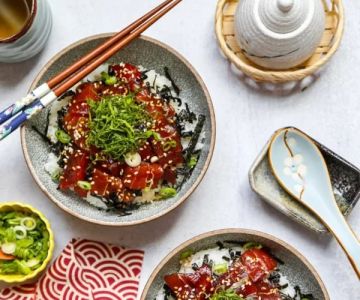
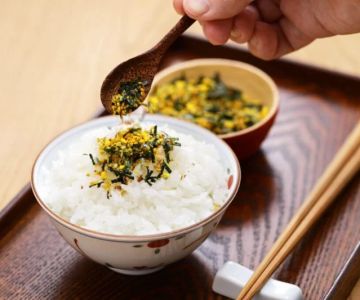
 Sushi House4.0 (298 reviews)
 Mickey’s Place4.0 (43 reviews)
 Sushi Ya Japanese Restaurant4.0 (310 reviews)
 Lee's Sushi H-Mart Food Court4.0 (47 reviews)
 Sushi & Roll4.0 (99 reviews)
 Sapporo Soul Ramen & Sushi4.0 (29 reviews)
 An Insider’s Review of Best Japanese Restaurants Near Me | Top Picks for Sushi and More
 The Complete Guide to Dining at Inaba Japanese Restaurant
 Exploring the Menu at a Japanese Restaurant in SF: Must-Try Dishes
 An Insider’s Review of Japanese Restaurants
 Signature Sushi and Ramen at Yamato Japanese Restaurant | A True Japanese Dining Experience
 Why Locals Recommend Douzo Modern Japanese Restaurant in Boston