
What to Expect From a Japanese Breakfast at a Restaurant
On this page
Quick answer
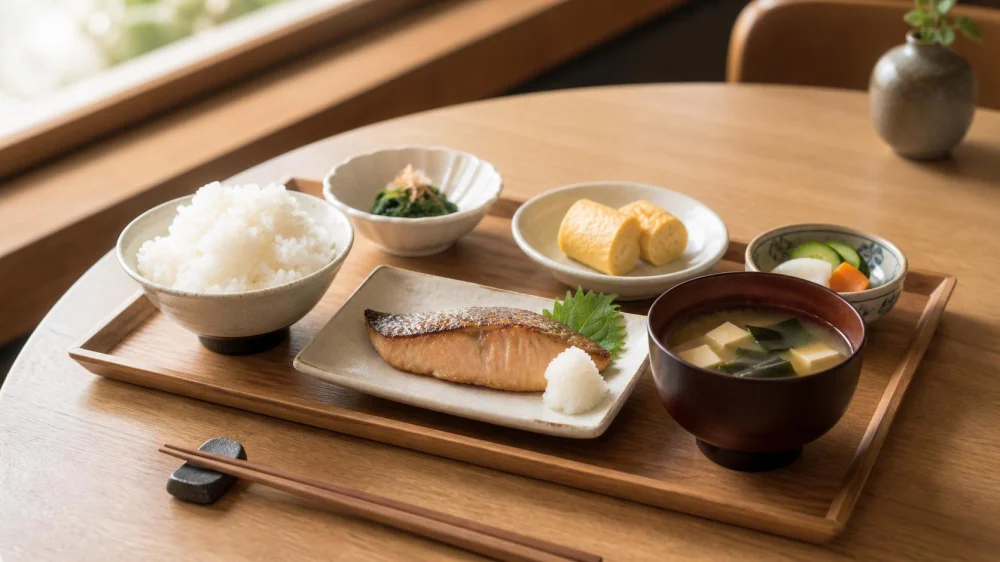
A restaurant-style Japanese breakfast often centers on rice and soup, with several small dishes such as grilled fish, egg, pickles, tofu, seaweed, or vegetables. The set is designed for alternating bites rather than eating each item as a separate course. Menus vary widely, especially in the United States, so check the listed protein, sides, substitutions, and allergens before ordering.
The basic meal structure
A traditional Japanese breakfast can follow the same balanced structure seen in other home-style meals: a staple food, soup, a main dish, and smaller accompaniments. Rice provides a neutral base, soup adds warmth and savory depth, and side dishes create contrast in flavor, texture, and intensity.
This structure is more useful than a rigid list. One restaurant may offer grilled fish with rice, miso soup, pickles, and a small vegetable dish. Another may feature rolled egg, tofu, natto, porridge, or a regional specialty. Hotels, cafes, and Japanese restaurants in the United States may adapt availability, portion size, or service hours.
The defining experience is often variety in a composed set. Small portions let the diner move between mild rice, savory soup, richer protein, and sharper pickles without one flavor dominating the meal.
Common breakfast components
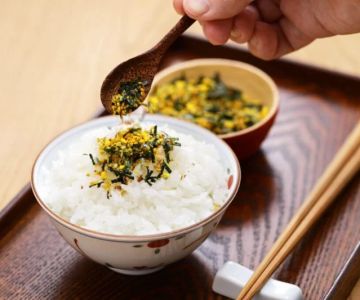
- Steamed rice: the plain anchor for seasoned fish, pickles, seaweed, or other sides.
- Miso soup: a warm broth-based soup whose miso, stock, tofu, seaweed, and vegetables vary.
- Grilled fish: a savory main item that may be salted and can contain bones.
- Egg: rolled omelet, soft-cooked egg, or another preparation depending on the menu.
- Pickles: small, concentrated accents that add salt, acidity, crunch, and aroma.
- Seaweed: crisp seasoned sheets or another seaweed preparation served with rice.
- Tofu or vegetables: mild sides that add texture and seasonal variation.
- Natto: fermented soybeans with a strong aroma and sticky texture, offered at some restaurants.
Not every set contains all of these items. Read the actual description and photos provided by the restaurant rather than assuming that “Japanese breakfast” has a fixed composition.
How the flavors work together
The dishes are meant to support one another. Plain rice can soften the intensity of salted fish or pickles. Soup refreshes the palate and adds moisture. A mild egg or tofu dish can provide a calmer bite between stronger flavors.
Texture is equally important: fluffy rice, crisp seaweed, tender fish, soft tofu, and crunchy pickles make a small set feel varied. Seasonality may appear through vegetables, fish, garnishes, or soup ingredients rather than through an entirely new menu.
If you prefer a gentle start to the day, choose a set with mild fish, egg, tofu, or porridge and ask how salty or strongly flavored the sides are. If you enjoy assertive fermented flavors, ask whether natto or distinctive pickles are available.
How to order
- Check service times. A breakfast set may be limited to morning hours or particular days.
- Identify the main dish. Confirm the fish, egg, tofu, meat, or other protein rather than relying on a generic set name.
- Review included sides. Ask which items rotate and whether the pictured set matches today's offering.
- Ask about portions. Find out whether rice or soup refills are offered instead of assuming.
- Confirm substitutions. Some set meals are prepared as a fixed combination and may have limited changes.
- Disclose allergies. Ask about stock, sauces, marinades, shared grills, and cross-contact before ordering.
- Choose by appetite. A multi-dish set can be more filling than each small bowl appears on its own.
Eating the set comfortably
You do not need to finish one bowl before touching another. Alternate rice, soup, the main item, and side dishes in whatever sequence creates balance. Use small amounts of strongly seasoned accompaniments with rice, and avoid pouring every condiment over the whole meal before tasting it.
Rice and soup bowls may be lifted carefully toward the mouth in Japanese dining practice, while plates generally remain on the table. Use chopsticks in a way that is comfortable and safe; ask for another utensil if needed. Do not plant chopsticks upright in rice or pass food directly from one pair of chopsticks to another, as those gestures have ceremonial associations.
Watch for bones in grilled fish. Separate small sections gently rather than taking large bites. If the restaurant provides a small dish for bones or shells, use it; otherwise ask staff what they prefer.
Dietary and allergy notes
A breakfast that appears simple can contain multiple allergens. Soup stock may include fish, sauces may contain soy and wheat, egg dishes contain egg, natto contains soy, and grilled items may share equipment. Pickles and seaweed products can include seasonings not obvious from appearance.
Vegetarian does not automatically mean that soup or sauce is free from fish-based stock. Gluten-free requests require checking soy sauce, miso products, marinades, and cross-contact. People with severe allergies should discuss every component with the restaurant and accept that a kitchen may not be able to provide a safe modification.
Nutrition needs are individual. Salt, portion, and ingredient choices vary, so use the menu information and professional dietary guidance relevant to you rather than treating the meal structure as a health prescription.
Sources and evidence notes
This overview reflects common Japanese meal patterns built around rice, soup, a principal dish, and accompaniments. Specific breakfast traditions differ by household, region, venue, and era. Restaurant menus are the evidence for what a particular establishment actually serves.
Dining etiquette described here is broad guidance, not a test of authenticity. Respectful behavior, attention to the restaurant's service style, and clear allergy communication matter more than performing every custom perfectly.
Frequently asked questions
Is a Japanese breakfast always fish and rice?
No. Fish and rice are a familiar combination, but egg, tofu, natto, porridge, vegetables, bread, and cafe-style dishes can also appear. Check the specific set.
Do I pour the soup over the rice?
Usually the soup and rice are served as separate components to alternate between. Follow the presentation and your preferences; do not assume the set is intended to be mixed.
What does natto taste and feel like?
Natto is fermented soybean with a pronounced aroma, savory flavor, and sticky, stringy texture. It is distinctive and may be served with condiments for mixing.
Is Japanese breakfast available all day?
Sometimes, but many restaurants limit it to morning service. Confirm current hours and availability before traveling, especially on weekends or holidays.
Can a breakfast set be vegetarian?
It can be, but verify the soup stock, sauces, pickles, and shared preparation surfaces. Removing the visible fish does not necessarily remove fish-derived ingredients.
Next steps
Check the restaurant's breakfast hours and identify the main dish, soup, rice, and rotating sides. Choose a set that matches your appetite and preferred flavors, then ask about allergens or substitutions before ordering. Taste each component first and alternate bites to experience how the set is designed to work together.


 Sushi House4.0 (298 reviews)
 Mickey’s Place4.0 (43 reviews)
 Sushi Ya Japanese Restaurant4.0 (310 reviews)
 Lee's Sushi H-Mart Food Court4.0 (47 reviews)
 Sushi & Roll4.0 (99 reviews)
 Sapporo Soul Ramen & Sushi4.0 (29 reviews)
 An Insider’s Review of Best Japanese Restaurants Near Me | Top Picks for Sushi and More
 The Complete Guide to Dining at Inaba Japanese Restaurant
 Exploring the Menu at a Japanese Restaurant in SF: Must-Try Dishes
 An Insider’s Review of Japanese Restaurants
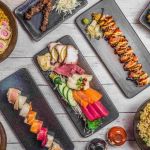 Signature Sushi and Ramen at Yamato Japanese Restaurant | A True Japanese Dining Experience
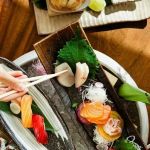 Why Locals Recommend Douzo Modern Japanese Restaurant in Boston