
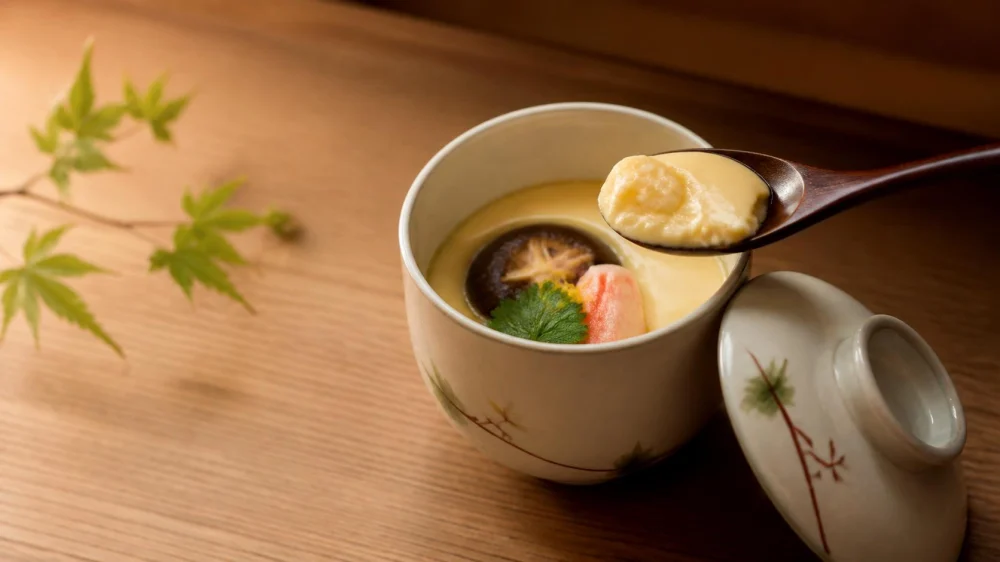
Chawanmushi Guide: A Silky Japanese Savory Custard
On this page
Quick answer
Chawanmushi is a delicate Japanese savory egg custard steamed in a small cup. Dashi gives it a gentle umami base, while ingredients such as chicken, shrimp, mushrooms, or ginkgo nuts may be hidden below the surface. Eat it warm with a spoon, working from the smooth custard down to the fillings. Ask about ingredients if you have allergies or dietary restrictions.
What chawanmushi is
The name combines words associated with a tea bowl and steaming. Unlike a sweet custard, chawanmushi is a savory dish made from beaten egg diluted with seasoned stock and gently steamed. It may appear as an appetizer, part of a set meal, or one course in a more formal menu.
A good way to understand it is as a light, spoonable custard that carries dashi flavor rather than as an omelet or soup. The cup often arrives covered so the dish stays warm and its aroma is released when opened.
Ingredients and texture
The base commonly includes egg, dashi, and mild seasonings. The filling changes with the restaurant and season. You might encounter chicken, shrimp, fish cake, shiitake mushroom, ginkgo nut, mitsuba, or other seafood and vegetables.
The expected texture is tender and silky, with little resistance from the spoon. Small bubbles can occur, but a coarse or separated custard may indicate stronger heat than ideal. The flavor should generally be subtle enough for the stock and individual fillings to remain recognizable.
How to order and eat it
- Check when it will arrive. It may be served early or as part of a fixed course, so ask if timing matters to your meal.
- Confirm ingredients. The smooth surface can conceal seafood, poultry, mushrooms, or other items.
- Lift the lid carefully. The cup and trapped steam may be hot. Set the lid where the restaurant’s tableware allows.
- Use the spoon. Take small portions of custard and explore the fillings below rather than stirring everything together.
- Eat it while warm. The aroma and texture are usually clearest before it cools, but do not rush a very hot cup.
What to notice
- Balance: dashi and seasoning support rather than overwhelm the egg.
- Texture: the custard is cohesive, delicate, and easy to spoon.
- Fillings: ingredients are cooked appropriately and portioned for the small vessel.
- Temperature: warm enough to enjoy, with safe handling of the cup and steam.
- Seasonality: some restaurants use garnishes or fillings suited to the time of year.
Chawanmushi is best for diners who enjoy gentle savory flavors and soft textures. It may not suit someone avoiding egg or particular stocks and seafood unless the restaurant can confirm an appropriate version.
Important notes
Dashi may contain fish even when no visible seafood appears, and garnishes or fillings can introduce shellfish, soy, wheat, poultry, or other allergens. Recipes vary, and removing a visible ingredient does not remove stock or cross-contact risk. Tell restaurant staff about allergies before ordering and ask what can be reliably confirmed.
Do not assume every cup contains the same traditional ingredients. Vegetarian versions exist, but the menu or staff should explicitly confirm the stock and seasonings.
Sources and evidence notes
This guide reflects established Japanese culinary practice: a seasoned egg-and-stock mixture is gently steamed in a cup with selected fillings. Restaurant recipes, serving order, and regional or seasonal choices vary, so the kitchen is the best source for the ingredients in a specific serving.
Frequently asked questions
Is chawanmushi sweet?
It is normally savory. Its gentle taste comes from egg, dashi, seasoning, and the fillings rather than dessert-style sweetness.
Do I drink it from the cup?
It is generally eaten with a spoon. Follow the table setting and restaurant’s serving style.
Is it always served hot?
Warm service is common, but chilled seasonal versions also exist. Ask if the menu does not make the style clear.
Is chawanmushi vegetarian?
Not automatically. Dashi often contains fish, and fillings may include meat or seafood. Confirm the stock and every component.
Next steps
When you see chawanmushi on a menu, ask about the stock, fillings, allergens, and serving temperature. Try it early enough to enjoy it warm, lift the lid carefully, and use the spoon to appreciate both the custard and the ingredients beneath it.



 Hako Sushi4.0 (174 reviews)
 Gekko Kitchen West End4.0 (20 reviews)
 Masa Hibachi Sushi & Bar4.0 (984 reviews)
 Sushi Gozen4.0 (37 reviews)
 Asakuma Sushi-Beverly Hills3.0 (91 reviews)
 Wasabi4.0 (324 reviews)
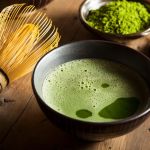 What Kind of Green Tea Do Japanese Restaurants Serve? A Deep Dive
 Discover the Unique Flavor of a UN Japanese Restaurant Near You
 Why Locals Recommend Yamato Japanese Restaurant: A Local Favorite for Authentic Dining
 Signature Sushi and Ramen at Japanese Restaurant in Boston: A Must-Try Culinary Experience
 The Complete Guide to Dining at Azuma Japanese Restaurant in the USA
 What Makes Tanto Japanese Restaurant Stand Out Among Japanese Restaurants