
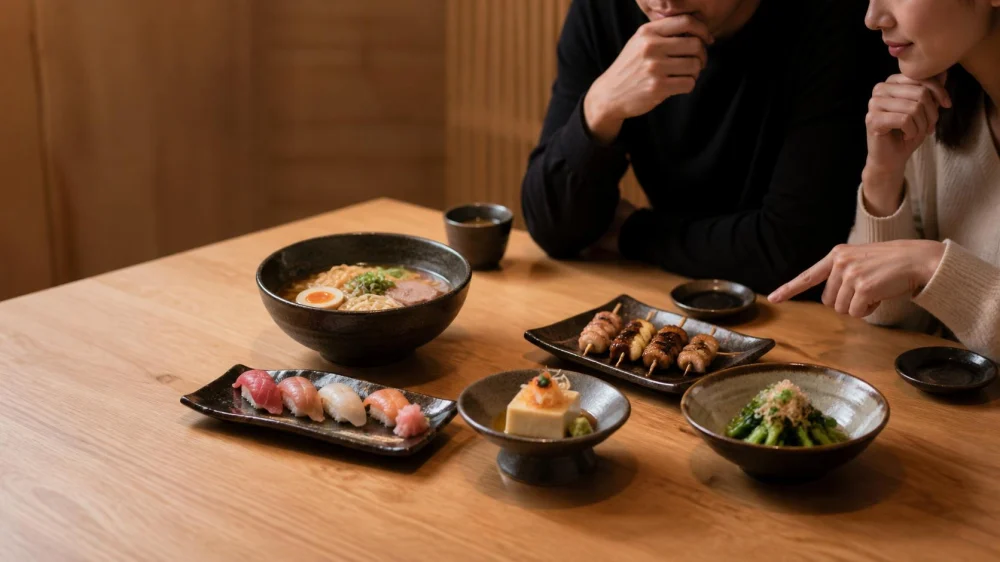
Choosing a Japanese Restaurant by Its Specialty
On this page
Quick answer
Choose a Japanese restaurant by deciding what kind of meal you want first: sushi, ramen, izakaya sharing plates, grilled meat, noodles, set meals, or a formal seasonal experience. Then verify the current menu, price format, reservation policy, dietary support, and recent guest feedback. A focused restaurant may offer fewer categories but greater depth in its main specialty.
This guide is for diners comparing Japanese restaurants in the United States. It explains selection criteria, not which business is “best.” Menus, hours, chefs, prices, availability, and reservation rules can change, so confirm details directly before traveling or booking.
Why specialty matters
A restaurant specialty is the style of food and service around which the kitchen, sourcing, equipment, and guest experience are organized. A ramen shop needs different preparation and pacing from a sushi counter; an izakaya is designed differently from a formal multi-course restaurant.
Broad menus are not automatically poor, and narrow menus are not automatically excellent. Specialty is useful because it aligns expectations. If your priority is a quiet tasting menu, a lively pub-style room may disappoint even if the cooking is strong. If your group wants casual variety, a fixed chef-selected menu may offer too little choice.
Start with the occasion, group, time available, budget structure, and dietary needs. Then use reviews and photos to confirm—not define—the match.
Match the restaurant to the meal
Sushi bar or sushi restaurant
Best for diners focused on seafood, rice, knife work, and counter service. Options may range from individual pieces and rolls to chef-selected courses. Check whether the restaurant emphasizes traditional nigiri, creative rolls, cooked items, or a mix.
Ask whether reservations are required, whether the menu is à la carte or fixed, and whether raw-fish preferences or allergies can be accommodated. A sushi label alone does not reveal the format.
Ramen shop
Best for a focused noodle-and-broth meal with relatively quick pacing. Restaurants may specialize in pork, chicken, seafood, miso, soy-seasoned, salt-seasoned, or plant-based broths. Noodle texture, broth richness, toppings, and customization policies differ.
Ramen shops can be compact, busy, and less suited to a long group meal. Confirm seating, vegetarian broth—not only vegetarian toppings—and allergy procedures if needed.
Izakaya
Best for groups that want multiple small plates, drinks, and a social pace. Menus may include grilled skewers, fried foods, sashimi, vegetables, noodles, and seasonal specials. Portions are often intended for sharing, but service style differs.
Review whether the room is lively or quiet, whether everyone in the group meets any age requirements for bar seating, and whether the kitchen can separate allergy-sensitive orders in a shared-plate environment.
Yakiniku or shabu-shabu
Best for interactive meals where guests cook meat or vegetables at the table, or cook ingredients in a shared hot pot. These formats work well for groups comfortable with the same cooking setup and pacing.
Ask whether pricing is à la carte, set-based, or all-you-can-eat; whether time limits apply; and how raw and cooked foods are kept separate. Shared grills and pots may be difficult for some allergies or dietary divisions.
Soba or udon specialist
Best for diners who want noodles to be the central craft. Menus may feature hot broth, chilled noodles with dipping sauce, tempura combinations, or regional preparations. Check whether noodles are made in-house and whether a “buckwheat” noodle contains wheat if gluten is a concern.
Teishoku and home-style dining
Best for a balanced individual meal organized around rice, soup, pickles, and a main dish. This format can suit mixed groups because each person orders a complete set. Menu breadth and substitution policies vary.
Kaiseki or formal seasonal dining
Best for a planned, multi-course experience centered on seasonality, presentation, and progression. These meals often require reservations, more time, and advance communication about dietary restrictions. Confirm the total price format, cancellation policy, duration, and whether substitutions are possible before booking.
Japanese bakery, café, or dessert specialist
Best for a lighter visit focused on breads, pastries, tea, parfaits, shaved ice, or regional sweets. Check service hours because dessert offerings can be seasonal or sell out before closing.
Evaluate useful quality signals
- A current, coherent menu: The core dishes match the stated specialty and the online menu has a recent date or direct confirmation.
- Clear service format: Guests can understand reservations, seating, course structure, ordering, time limits, and cancellation terms.
- Specific ingredient answers: Staff can explain broths, sauces, raw ingredients, and common allergens without guessing.
- Recent, detailed feedback: Reviews describe actual dishes, service timing, noise, and value rather than only broad praise or complaints.
- Consistent specialty execution: Multiple recent sources show that the restaurant continues to offer the experience you want.
- Transparent practical details: Hours, address, parking or transit options, accessibility, and contact methods are easy to verify.
Ratings are a starting point, not a verdict. A lower rating may reflect wait times, price expectations, delivery issues, or a service style that another diner would accept. Read several recent reviews and look for repeated, specific patterns relevant to your priorities.
A practical booking process
- Name the meal. Decide whether you want quick noodles, raw seafood, shared plates, table cooking, a set meal, or a formal course.
- Set nonnegotiables. Record group size, date, budget format, accessibility, dietary needs, and maximum travel time.
- Build a short list. Use a directory or map to find restaurants whose main specialty fits rather than choosing only by overall rating.
- Open the current menu. Confirm that the desired dishes and workable alternatives are actually offered.
- Read recent evidence. Check several recent reviews and guest photos for portion style, room atmosphere, and service pattern.
- Contact the restaurant. Verify hours, reservation availability, pricing format, and any critical dietary or accessibility question.
- Confirm the policy. For deposits, fixed menus, or cancellations, read the terms before submitting payment.
- Recheck on the day. Confirm unusual holiday hours, severe-weather changes, or limited-menu notices before traveling.
Important notes and limitations
Do not assume that words such as “authentic,” “traditional,” “premium,” or “best” prove quality. Evaluate the actual specialty, menu, sourcing statements that can be verified, and whether the experience matches your needs. Japanese food also changes across regions and communities; variation is not automatically inauthentic.
For food allergies, contact the restaurant directly. Ask about the specific allergen, shared fryers, grills, pots, utensils, sauces, stocks, and cross-contact procedures. If the restaurant cannot confidently explain its process, choose another option. A directory entry, review, or old menu cannot guarantee current safety.
Prices and availability may differ between dine-in, delivery, and special menus. Verify fees, deposits, gratuity policies, and cancellation rules before committing. Never send payment through an unverified link or account.
Sources and evidence notes
This article reflects common Japanese restaurant formats and general local dining evaluation practices. Individual restaurants may combine categories or use different terms. Current restaurant information should come from the business itself, while recent independent reviews can add context about the guest experience. No directory or rating can replace direct confirmation of hours, policies, ingredients, or allergy procedures.
Frequently asked questions
Is a larger Japanese menu better for a group?
It can offer more apparent choice, but check whether the group’s key needs are covered and whether the restaurant executes the desired specialty consistently. A focused menu may still provide enough variety.
How recent should restaurant reviews be?
Prioritize the newest detailed reviews because staff, chefs, menus, prices, and service formats can change. Compare several dates rather than relying on one review.
What should I ask before booking omakase or kaiseki?
Confirm the course format, total price structure, duration, seating, cancellation policy, and the deadline for communicating allergies or dietary restrictions. Ask whether substitutions are possible before paying a deposit.
Does “vegetarian option” mean the broth is vegetarian?
Not necessarily. Stocks and sauces may contain bonito, other fish, meat, or animal-derived concentrates. Ask about every component of the specific dish.
How do I choose between two similarly rated restaurants?
Compare specialty fit, current menu, travel convenience, reservation certainty, dietary support, room atmosphere, and recent detailed feedback. The best match is the one that meets your occasion and constraints.
Next steps
Choose the meal format before opening a rating list. Shortlist two or three restaurants whose specialty matches, then verify the current menu, hours, reservation and cancellation terms, dietary support, and accessibility directly. Use recent reviews to refine expectations, and keep a second confirmed option in case availability changes.

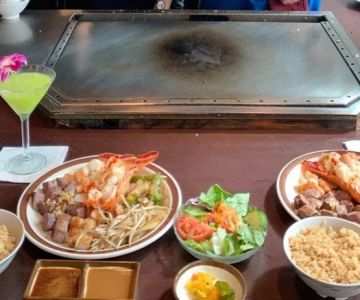

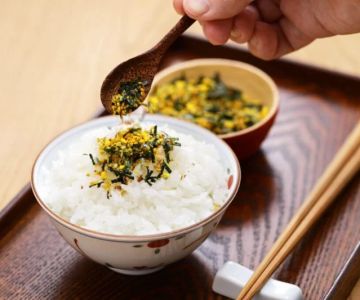
 Hibachiman4.0 (214 reviews)
 Kazu Sushi and Sushi Burito4.0 (274 reviews)
 Midorie Miami4.0 (122 reviews)
 Blue Ocean Sushi & Grill4.0 (106 reviews)
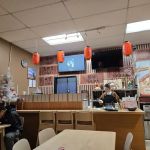 Isshin ramen & more4.0 (146 reviews)
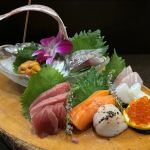 Sushi Kanpai Santa Monica4.0 (191 reviews)
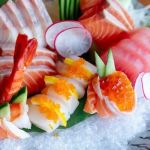 A Foodie’s Experience at Hatsuhana Japanese Restaurant
 Essential Japanese Pantry Staples Every Home Cook Needs: Soy Sauce, Mirin, Miso and More
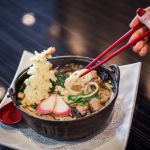 Signature Sushi and Ramen at Akira Japanese Restaurant: A Culinary Experience
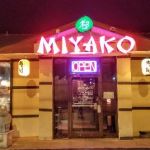 Why Miyako's Japanese Restaurant Is a Must-Try Spot for Japanese Food Lovers
 How to Market a Japanese Restaurant Effectively in a Digital Age
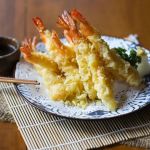 The Complete Guide to Dining at Kazu Japanese Restaurant | Sushi, Tempura & More