
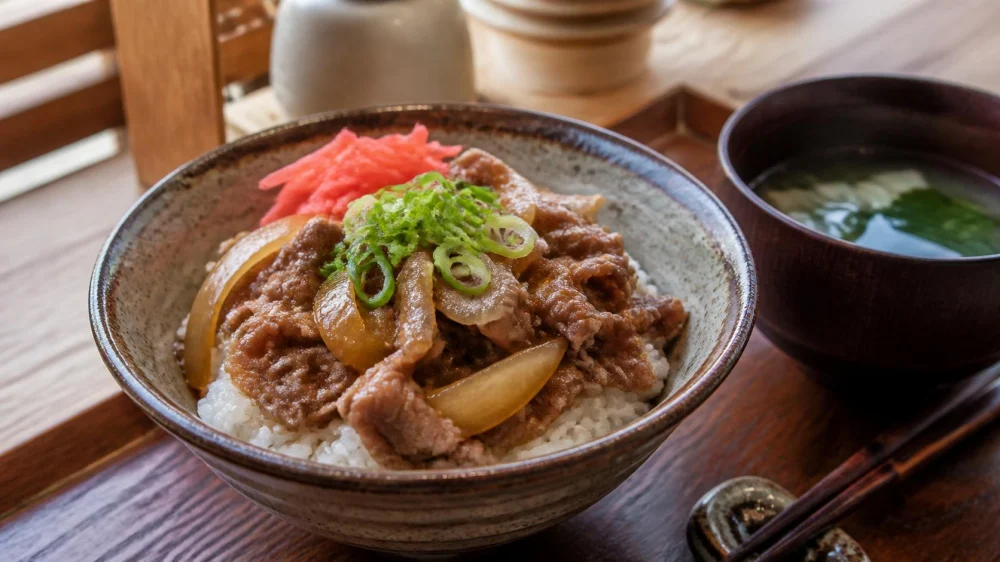
Donburi Guide: Choose a Japanese Rice Bowl by Flavor
On this page
- Quick answer
- What is donburi?
- Common donburi styles
- Choose by flavor and texture
- A practical ordering checklist
- How to eat and adjust a rice bowl
- Allergies and dietary needs
- Donburi versus a set meal
- Limitations and important notes
- Sources and evidence notes
- Frequently asked questions
- Conclusion and next steps
Quick answer
Donburi is a Japanese bowl meal built around rice with one or more toppings. Choose gyudon for thin-sliced beef and a savory-sweet profile, oyakodon for chicken and softly set egg, katsudon for breaded cutlet, tendon for tempura, or a seafood bowl when the restaurant specializes in it. Names and recipes vary, so check the menu description before ordering.
This guide is for U.S. diners exploring Japanese restaurant menus. It explains common patterns, not a universal recipe. A restaurant may use regional, seasonal, or house-specific preparations.
What is donburi?
Donburi can refer to the bowl itself and to the style of meal served in it. In practical menu terms, it usually means steamed rice topped with cooked meat, seafood, egg, vegetables, tempura, or another featured ingredient, often with sauce or cooking juices.
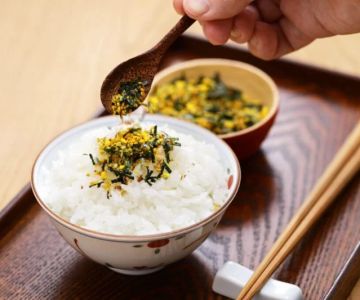
The format matters because the topping and rice are intended to work together. Sauce seasons the rice, while garnishes such as scallions, pickles, shredded seaweed, or ginger may add freshness, aroma, or contrast. It is generally a complete main dish rather than a plain bowl of rice with an unrelated side.
Donburi is best for diners who want a direct, bowl-based meal. It may be less ideal when you prefer many separate small dishes or want to control every sauce independently.
Common donburi styles
- Gyudon: Thin beef and onion, commonly cooked with a savory-sweet seasoning. The texture is tender rather than crisp.
- Oyakodon: Chicken and egg cooked together, often with onion and a seasoned broth. The egg texture can range from soft to fully set.
- Katsudon: A breaded cutlet served over rice, often combined with egg and sauce. Expect some crust to soften where it meets the topping.
- Tendon: Tempura pieces over rice, usually finished with a seasoned sauce. Crispness depends on timing and how much sauce is used.
- Unadon: Grilled eel over rice with a glossy seasoned sauce. Eel can contain small bones even when carefully prepared.
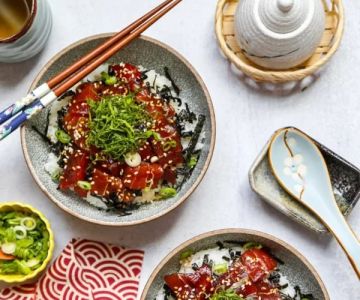
- Kaisendon or seafood donburi: Assorted seafood over rice. Ingredients, temperature, and seasoning vary widely by restaurant.
- Vegetable bowls: May feature simmered, grilled, pickled, or fried vegetables, but the stock and sauce are not automatically vegetarian.
Transliterated names are clues, not complete ingredient lists. Use the restaurant’s current description to confirm the protein, cooking method, sauce, and garnishes.
Choose by flavor and texture
Start with the eating experience you want:
- Soft and comforting: Look for egg-bound chicken or cutlet bowls, and ask how firmly the egg is cooked.
- Savory and beef-forward: A beef bowl may fit, especially if you enjoy onion and sauce soaking into rice.
- Crisp elements: Choose tempura or breaded cutlet, but remember that sauce and steam naturally soften the coating.
- Grilled and aromatic: Eel or another grilled topping may offer caramelized edges and a pronounced sauce.
- Fresh and seafood-focused: A seafood bowl can highlight raw or cooked fish, depending on the menu.
- Vegetable-centered: Ask what vegetables are included and whether they are fried, simmered, or grilled.
If you dislike sweet-savory sauces, ask whether sauce can be served lightly or on the side. Not every preparation can be changed because some ingredients cook together in the sauce.
A practical ordering checklist
- Read the full description. Confirm the topping, cooking method, sauce, egg, and garnishes.
- Ask about portion structure. Find out whether soup, pickles, salad, or other sides are included.
- Choose a texture. Decide between simmered, grilled, fried, or raw ingredients.
- Clarify doneness. Ask about egg or seafood preparation when it matters to you.
- Check sauce flexibility. Request lighter sauce or sauce on the side only if the kitchen can reasonably accommodate it.
- Discuss allergies before ordering. Name the allergen and ask about sauces, stock, garnish, and shared equipment.
- Order for the current restaurant. A specialty shop may execute its featured bowl differently from a broad menu restaurant.
How to eat and adjust a rice bowl
Use chopsticks, a spoon, or both according to what the restaurant provides and what is comfortable. Take some topping and rice together to understand the intended balance. Mixing the entire bowl is optional; keeping layers separate preserves more texture.
Add condiments gradually. Pickled ginger, chili seasoning, citrus, mustard, or other table condiments can change the balance quickly and may not suit every bowl. Taste first.
For a crisp topping, begin eating soon after service and avoid saturating every piece with extra sauce. For a rich bowl, alternating bites with pickles, soup, or unsweetened tea may provide contrast when those accompaniments are offered.
Allergies and dietary needs
Donburi can contain or contact common allergens such as soy, wheat, egg, fish, shellfish, sesame, or other ingredients. Sauces and broths may contain ingredients that are not visible, and fried items may share oil or equipment.
Tell staff about a medically important allergy rather than asking only whether a dish is “safe.” Ask what is in the sauce and stock, how the topping is prepared, and whether cross-contact controls meet your needs. If staff cannot verify the ingredients or process, choose a simpler dish or another restaurant.
“Vegetable” does not necessarily mean vegetarian or vegan. Ask about fish-based stock, egg, sauce, garnish, and shared cooking surfaces. Diners who are pregnant, immunocompromised, older, or otherwise at higher risk from foodborne illness should follow current professional guidance about raw or undercooked foods.
Donburi versus a set meal
A donburi combines the main topping and rice in one bowl, so sauce and juices become part of the rice. A set meal usually presents rice, a main item, and accompaniments separately. The exact arrangement varies.
Choose donburi when you want integrated flavors, a compact meal, and fewer separate decisions. Choose a set meal when you value distinct textures, separate portions, or more control over how sides and sauces interact. Neither format is inherently more authentic, healthier, larger, or better value without looking at the actual menu.
Limitations and important notes
- Recipes and naming conventions differ across regions, restaurants, and chefs.
- Raw and undercooked animal foods can carry foodborne-illness risk; follow current health guidance for your situation.
- Nutrition, portion size, and sodium cannot be inferred reliably from the dish name alone.
- Allergen substitutions may not prevent cross-contact in a shared kitchen.
- Menu photos are examples and may not show every garnish or ingredient.
Sources and evidence notes
This article reflects broad Japanese menu conventions and general restaurant-allergy practice. It does not claim that every restaurant follows one recipe or service style. Current menu descriptions and direct communication with restaurant staff are the best sources for a specific order.
No nutrition figure, price, origin claim, restaurant ranking, or guarantee of authenticity is asserted here.
Frequently asked questions
Is donburi always served hot?
No. Rice and cooked toppings are often warm, while seafood bowls may use cooled or room-temperature components. Ask how a specific dish is served.
Does every donburi contain egg?
No. Egg is common in some styles, including oyakodon and many katsudon preparations, but it is not universal. Confirm ingredients if you avoid egg.
Will the fried topping stay crisp?
Some crispness may remain, but steam and sauce soften fried coatings. Ask for sauce on the side when the kitchen offers that option.
Is a vegetable donburi vegan?
Not automatically. Stock, sauce, egg, garnish, and shared equipment may involve animal ingredients. Ask specific questions.
What should a first-time diner choose?
Choose by preferred protein and texture, then confirm sauce and egg style. A clearly described house specialty is often easier to understand than ordering by name alone.
Conclusion and next steps
Donburi is a flexible rice-bowl format, not one fixed recipe. Choose a topping, decide whether you want soft, grilled, crisp, or fresh textures, and check how sauce and egg are used. Read the current menu, ask concise allergy or preparation questions, and taste the bowl before adding condiments.

 Hibachiman4.0 (214 reviews)
 Kazu Sushi and Sushi Burito4.0 (274 reviews)
 Midorie Miami4.0 (122 reviews)
 Blue Ocean Sushi & Grill4.0 (106 reviews)
 Isshin ramen & more4.0 (146 reviews)
 Sushi Kanpai Santa Monica4.0 (191 reviews)
 A Foodie’s Experience at Hatsuhana Japanese Restaurant
 Essential Japanese Pantry Staples Every Home Cook Needs: Soy Sauce, Mirin, Miso and More
 Signature Sushi and Ramen at Akira Japanese Restaurant: A Culinary Experience
 Why Miyako's Japanese Restaurant Is a Must-Try Spot for Japanese Food Lovers
 How to Market a Japanese Restaurant Effectively in a Digital Age
 The Complete Guide to Dining at Kazu Japanese Restaurant | Sushi, Tempura & More