
First Omakase Dinner: What to Know Before You Book
On this page
Quick answer
Omakase is a Japanese dining style where the chef chooses the courses for you, often at a sushi counter. It is best for diners who enjoy seasonal ingredients, chef-led pacing, and trying unfamiliar items. Before booking, check price, length, allergy policy, cancellation rules, beverage options, and whether substitutions are possible.
What omakase means
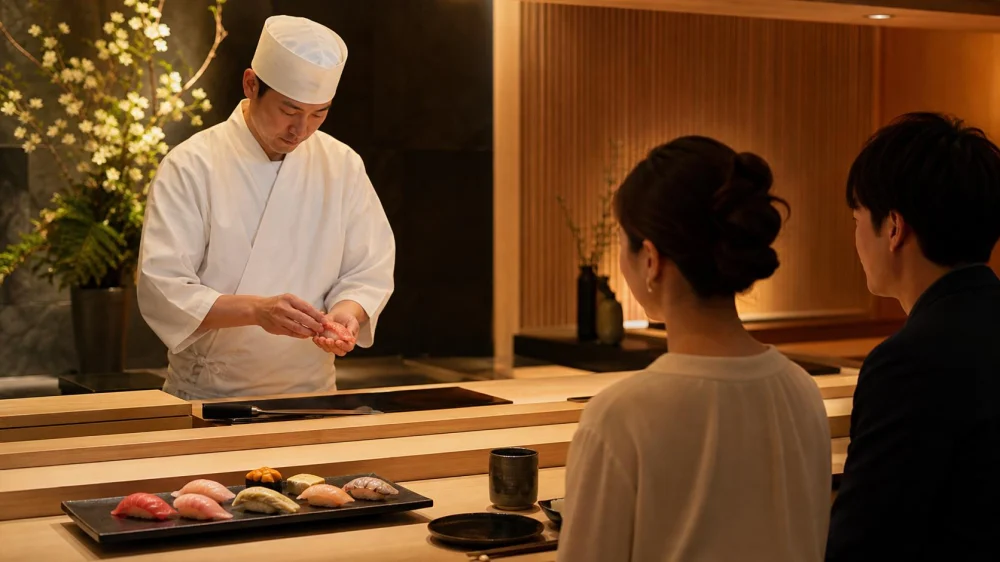
Omakase roughly means leaving the choice to the chef. In a sushi restaurant, that usually means the chef prepares a sequence of nigiri, small dishes, or seasonal bites based on ingredients available that day.
The experience is different from ordering a few favorite rolls. You are paying for ingredient selection, pacing, technique, and the chef's judgment. Some omakase meals are formal and quiet; others are relaxed and conversational. In the United States, styles range from luxury tasting counters to more casual neighborhood sushi bars.
Who omakase is best for
Omakase is best for diners who are curious, flexible, and comfortable with a chef-guided menu. It can be a memorable choice for sushi fans, date nights, celebrations, travelers, or anyone who wants to understand Japanese restaurant craft more deeply.
It may not be ideal if you have many strict dietary restrictions, dislike raw fish, need a quick meal, or want full control over every item. Some restaurants can accommodate allergies or preferences, but others cannot without changing the core experience.
If you are unsure, start with a shorter or moderately priced omakase before booking a high-end counter.
What to ask before booking
Good questions can prevent awkward surprises. Before reserving, check:
- The base price and whether tax, tip, beverages, or supplements are separate.
- How many courses are typical and how long the meal usually lasts.
- Whether the menu includes mostly nigiri, cooked dishes, or a mix.
- How the restaurant handles allergies, pregnancy-related restrictions, or disliked ingredients.
- Whether the seating is at the sushi counter or a table.
- The cancellation policy and late-arrival rules.
A strong restaurant should communicate these basics clearly. If the policy says substitutions are limited, take that seriously.
Sushi counter etiquette
At the counter, follow the chef's pacing. Eat each piece soon after it is served, especially warm rice nigiri. If soy sauce or seasoning is already applied, avoid adding more unless invited. Use chopsticks or clean hands, depending on comfort and restaurant style.
Ask questions respectfully when the timing feels right. Many chefs enjoy explaining fish, rice, aging, seasoning, or regional influences, but avoid interrupting during delicate preparation.
Keep perfume or strong fragrances light because they can affect the aroma of sushi. If you need photos, take them quickly and without flash when the restaurant allows it.
First-timer checklist
Before your first omakase dinner:
- Confirm the total expected cost and cancellation rules.
- Share allergies and dietary restrictions before the visit.
- Arrive on time because the meal may be paced for all guests.
- Expect seasonal choices rather than a fixed roll menu.
- Eat pieces promptly after they are served.
- Ask about beverage pairings only if you want them.
- Stay open-minded, but do not ignore true allergy or safety concerns.
Important notes
This article is general dining guidance for Japanese restaurants in the United States. Menus, pricing, etiquette, and substitution policies vary widely. If you have food allergies, pregnancy-related dietary restrictions, immune-system concerns, or seafood safety questions, contact the restaurant before booking and consider professional medical advice when appropriate.
Evidence notes: omakase practices are shaped by Japanese sushi culture, chef-led tasting traditions, ingredient seasonality, and individual restaurant policy. The best experience comes from matching the restaurant's format with your comfort level and dietary needs.
FAQ
Is omakase always sushi?
No. Many omakase meals focus on sushi, but the term can apply to other chef-selected Japanese dining formats as well.
Can I request no raw fish?
Ask before booking. Some restaurants may offer cooked alternatives, while others cannot change the format enough to make the meal worthwhile.
How long does omakase take?
It depends on the restaurant and number of courses. Many experiences take around one to two hours, but shorter and longer formats exist.
Do I need to know sushi etiquette before going?
No, but knowing the basics helps. Arrive on time, follow the chef's pacing, eat pieces promptly, and ask questions politely.
Next steps
When comparing Japanese restaurants, look for clear omakase pricing, allergy policies, seating format, recent reviews, and a menu style that matches your comfort level. A good first omakase should feel thoughtful, transparent, and welcoming rather than intimidating.


 Hanabi Japanese Grill & Bar4.0 (643 reviews)
 Zou Japanese Steakhouse4.0 (523 reviews)
 Zen Asian Sushi Bar & Grill4.0 (1648 reviews)
 Maluken and Sushi Express4.0 (193 reviews)
 Tokyo Garden4.0 (1151 reviews)
 Ikkyu4.0 (28 reviews)
 Exploring the Menu at Japanese Restaurant Boston
 An Insider’s Review of Kiku Japanese Restaurant
 Top Dishes You Should Order at Yokohama Japanese Restaurant
 What Is O.E.C in a Japanese Restaurant Menu? Meaning and Origins Explained
 What Japanese Restaurants Exist in the USA – A Culinary Exploration
 Why Locals Recommend Fugakyu Japanese Restaurant | An Authentic Japanese Dining Experience