
How to Order at an Izakaya: A First-Timer’s Guide
On this page
Quick answer
At an izakaya, begin with drinks and two or three small dishes for the table, then add grilled, fried, simmered, or vegetable dishes as you eat. Finish with rice or noodles if wanted. Portions, service style, and customs vary among U.S. restaurants, so ask what is designed for sharing and mention allergies before ordering.
What an izakaya is
An izakaya is a casual Japanese dining-and-drinking establishment where guests commonly order several small dishes over the course of a meal. It is often compared with a pub or tapas-style restaurant, but neither comparison is exact. The food, atmosphere, portion size, seating, and emphasis on alcohol vary widely.
In the United States, some izakaya closely follow a Japanese small-plate format, while others combine it with full-size entrées, sushi, ramen, or modern dishes. The menu—not the label alone—tells you how a particular restaurant works.
This guide is for first-time U.S. diners who want a practical ordering plan. It describes common patterns, not rigid rules. Follow the restaurant’s posted policies and staff guidance.
What to check before you go
Look at the current menu and hours. Some izakaya open only for dinner, have limited late-night kitchens, or stop accepting food orders before the dining room closes. Ask whether reservations are recommended and whether seating includes a counter, standard tables, or floor-style areas.
Check these details when they matter to your group:
- Whether dishes are small plates, individual portions, or both.
- Age restrictions or bar-area rules.
- Vegetarian, vegan, halal, kosher, gluten-related, or allergy accommodations.
- Accessibility, seating, noise level, and space for children.
- Minimum orders, time limits, service charges, or cancellation policies.
Online menus can be outdated. Call the restaurant for a requirement that could determine whether you can dine safely or comfortably.
A simple ordering flow
- Start with beverages. Order alcohol only if you are of legal age and want it; tea, soda, sparkling water, and alcohol-free drinks are equally workable.
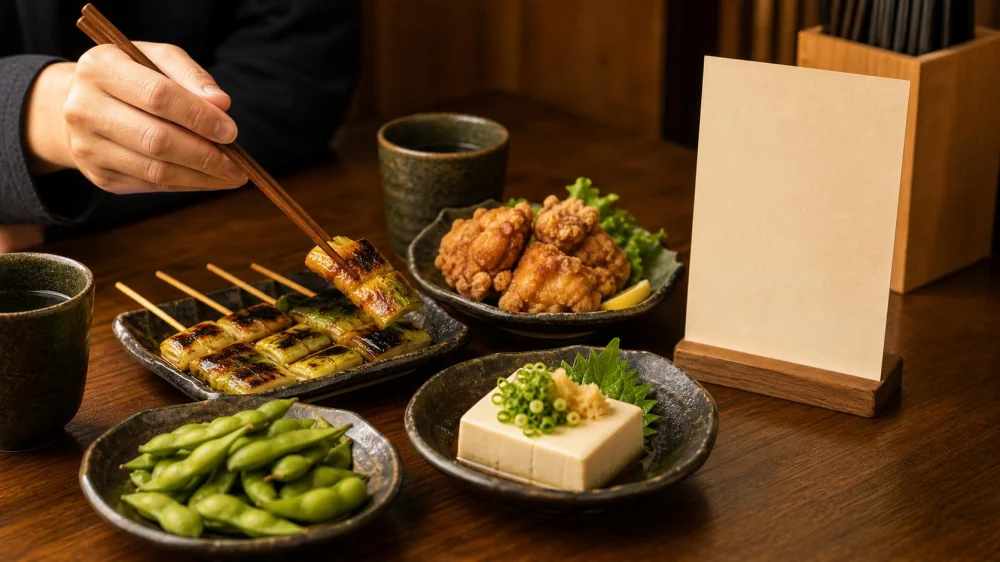
- Choose a quick first dish. Edamame, chilled tofu, cucumber, salad, or another ready-to-serve item can arrive while cooked dishes are prepared.
- Add variety. For two people, try two or three dishes from different cooking styles rather than ordering many similar fried or grilled items at once.
- Pause and assess. Small-plate sizes differ. Order another round after you see portions and appetite.
- Finish if needed. Rice, ochazuke, noodles, or another filling dish may complete the meal, depending on the menu.
- Ask for the check. Payment may happen at the table or a front register. Follow the restaurant’s process.
This staggered approach is best when the restaurant accepts additional orders throughout the meal. If the kitchen requires one complete order or has a last-call time, plan accordingly.
How to navigate the menu
Menus often group dishes by technique or ingredient. Use those headings to build contrast:
- Quick or cold dishes: light starters such as tofu, vegetables, pickles, or dressed seafood.
- Yakimono: grilled foods, which may include fish, meat, vegetables, or skewers.
- Agemono: fried foods such as karaage or tempura-style dishes.
- Nimono: simmered dishes with broth or sauce.
- Itamemono: stir-fried dishes.
- Shime: meal-ending foods, often rice or noodles.
These categories are helpful, but English-language U.S. menus may use different names. If you want a balanced order, ask the server for one lighter dish, one house specialty, and one more substantial plate that work well together.
Do not assume a small plate contains only one serving. Ask how many pieces arrive and whether staff recommend sharing it. For skewers, a menu price may refer to one skewer, a pair, or a set.
Choosing drinks or alcohol-free options
Common alcoholic choices can include Japanese beer, sake, shochu, whisky highballs, and fruit-flavored sours. Sake may be served chilled, at room temperature, or warm depending on the bottle and restaurant. Shochu is a distilled spirit and is not the same as sake.
If you drink alcohol, ask for a pairing based on flavors you already like rather than choosing by an unfamiliar label. A server might suggest a crisp drink for fried food or a richer option for grilled dishes, but pairing is a preference, not a requirement.
Alcohol-free dining is normal and does not prevent you from enjoying the format. Look for tea, yuzu or citrus drinks, ramune, sparkling water, alcohol-free beer, or mocktails where offered. Never drive after drinking, and follow U.S. and local age laws.
Dietary needs and ingredient questions
Japanese dishes can contain ingredients that are not obvious from the name. Dashi broth may contain fish; sauces and marinades may contain soy, wheat, alcohol, sesame, or shellfish-derived ingredients. A vegetable-topped dish may still use animal-based stock.
For a food allergy, clearly name the allergen and ask about sauces, broth, garnishes, marinades, frying oil, grills, and cross-contact. Do this before ordering, not after dishes arrive. If the restaurant cannot confirm safe preparation, choose another dish or restaurant rather than relying on appearance.
For dietary preferences, ask specific questions: “Is the broth made with fish?” is more actionable than “Is this vegetarian?” Keep in mind that staff may need to check with the kitchen.
Comfortable dining etiquette
Share dishes with the serving utensils provided. If none are available, ask what the restaurant prefers. Avoid moving food directly from your chopsticks to another person’s chopsticks, a gesture associated with Japanese funeral practice.
It is considerate to let the group know before taking the last piece. Keep personal chopsticks, used napkins, and phones away from shared plates. Do not place chopsticks upright in rice.
In U.S. restaurants, follow the stated tipping and service-charge policy. A service charge is not always distributed like a tip, so ask if the receipt is unclear. There is no need to perform Japanese phrases or customs perfectly; attentive, respectful behavior matters more.
Sources and cultural notes
This guide reflects broad Japanese dining practice and common U.S. izakaya service: order drinks and small dishes, add food in rounds, combine cooking styles, and finish with a more filling dish if desired. Individual restaurants may use the term “izakaya” differently.
Ingredient, allergy, alcohol, age, service-charge, and accessibility details must be confirmed with the specific restaurant. This article does not certify any menu item as safe for a medical diet or allergy.
Frequently asked questions
How many dishes should two people order?
Start with two or three and see the portion sizes. Add another round if needed. Ask the server because a “small plate” can range from a few bites to a shareable dish.
Do I have to order alcohol?
No. Tea, water, soft drinks, and alcohol-free options fit the izakaya format. Some establishments may have minimum-order or bar-area policies, so check ahead.
Is an izakaya suitable for children?
It depends on the location, hours, noise, seating, menu, and age policy. Contact the restaurant rather than assuming from the name.
What is a good first order?
Choose one quick vegetable or tofu dish, one grilled or simmered house specialty, and one item your group already recognizes. Add fried food or a finishing dish later.
Will all food arrive together?
Often it arrives as each dish is ready, but service varies. Tell the server if pacing matters or if you need a particular item first.
Conclusion and next steps
Before your first izakaya visit, check the menu, hours, seating, and any dietary requirement. At the table, start small, mix cooking styles, and order in rounds when allowed. Ask about portions and unfamiliar ingredients. The goal is not to master every term—it is to build a meal your group can share comfortably and safely.

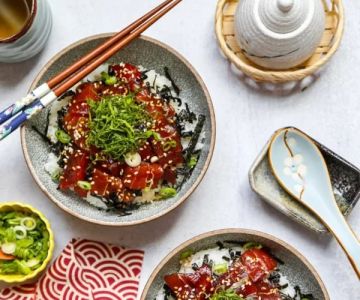
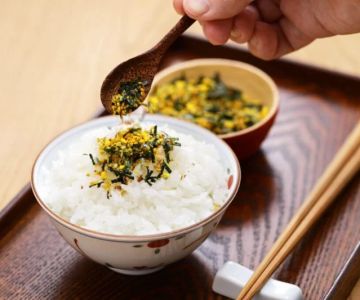
 Osaka Asian Fusion4.0 (262 reviews)
 Musashi Japanese Steakhouse4.0 (461 reviews)
 Kanamizu Japanese Restaurant4.0 (80 reviews)
 Flying Ninja4.0 (640 reviews)
 Sachi Sushi4.0 (182 reviews)
 Jingdu Japanese Buffet4.0 (2430 reviews)
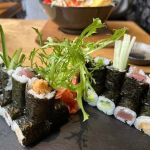 Signature Sushi and Ramen at Suteishi Japanese Restaurant
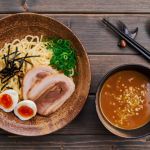 What Is Tsukemen? Dipping Ramen Explained vs Traditional Japanese Noodle Soup
 Top Dishes You Should Order at Midori Japanese Restaurant
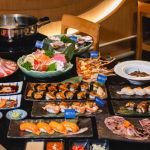 Why Locals Recommend Hiro Japanese Restaurant – Authentic Japanese Dining Experience
 Why Hanaoka Japanese Restaurant Is a Must-Try Spot for Japanese Food Lovers
 A Foodie’s Experience at Hayashi Japanese Restaurant