
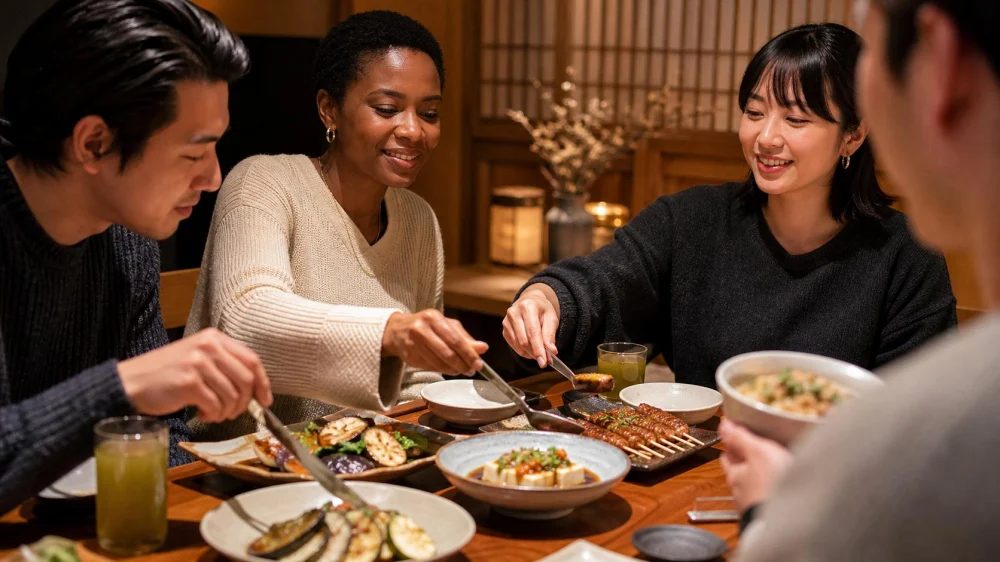
Izakaya Ordering for First-Timers: Build a Shared Meal
On this page
Quick answer
At an izakaya, order in waves instead of choosing everything at once. Start with one or two quick dishes, add vegetables, a protein, and a filling item, then adjust after tasting and seeing portion sizes. Confirm dietary needs with staff, share respectfully, and remember that an izakaya is a casual drinking-and-dining format, not one fixed menu.
Why it matters
An izakaya is a Japanese-style casual establishment where drinks and small dishes are ordered over time for the table. The experience is best understood as flexible shared dining: menus may include chilled starters, grilled foods, fried dishes, simmered items, rice, noodles, and regional specialties.
This guide is for first-time diners at Japanese restaurants and izakaya-style venues in the United States. Menus, serving sizes, alcohol policies, gratuity, and house customs vary. A restaurant outside Japan may adapt the format, so ask staff rather than assuming every convention applies.
Practical checklist
- Check whether the menu is designed for sharing and ask how many people a typical dish serves.
- Mention allergies, intolerances, vegetarian needs, and alcohol avoidance before ordering.
- Begin with a small mix of quick, fresh, cooked, and savory dishes rather than many similar fried items.
- Add a vegetable dish and a substantial protein or tofu option for balance.
- Wait to order rice or noodles until you know the group's appetite and portion sizes.
- Use serving utensils when provided and avoid touching shared food with used personal utensils.
- Track the running order and bill, especially when dishes arrive at different times.
Step-by-step plan
- Read the menu by cooking style. Group choices into raw or chilled, grilled, fried, simmered, vegetable, and finishing dishes; this makes variety easier to see.
- Ask two useful questions: which dishes arrive quickly and which are house specialties. The answers help pace the first round without treating marketing claims as proof of quality.
- Order a restrained first wave. For a small group, choose a few contrasting dishes and leave room to respond to actual portions, spice, richness, and preferences.
- Build contrast. Pair crisp with soft, light with rich, and simple seasoning with a stronger sauce. Avoid ordering five dishes that all rely on the same cooking method.
- Handle beverages separately. No one needs to drink alcohol to participate. Ask about tea, sparkling water, alcohol-free drinks, and ingredients in mixed beverages.
- Add a finishing dish only if needed. Rice, noodles, or soup can round out the meal, but the right timing depends on the restaurant and group.
- Close the table clearly. Confirm any remaining items before requesting the bill, review shared charges, and follow the venue's payment and gratuity practice.
For future visits, note only useful menu information: approximate portion size, favorite preparation, dietary questions, and how many dishes suited the group. Prices and menus change, so treat old notes as a starting point.
Limits and warning signs
Dish names do not guarantee ingredients or preparation. Broths, sauces, marinades, and garnishes may contain fish, shellfish, soy, wheat, sesame, egg, dairy, or alcohol. Cross-contact controls vary and cannot be inferred from menu wording alone.
Tell staff about a serious food allergy before ordering and ask whether the kitchen can meet the need. If staff cannot confirm ingredients or cross-contact precautions, choose a safer option or another restaurant. Follow local laws and personal limits for alcohol, and never drive impaired.
Frequently asked questions
Do I need to order a drink at an izakaya?
Not necessarily. Policies vary, but alcohol is not required for a balanced meal. Ask about tea and other nonalcoholic choices.
How many dishes should a group order?
There is no universal number because plates and appetites vary. Start with a modest first round, ask about portions, and add dishes after they arrive.
Does everything arrive together?
Often it does not. Dishes may arrive when ready, which supports ordering in waves. Ask staff if timing matters to your group.
Is an izakaya suitable for dietary restrictions?
It can be, but ingredients may appear in sauces and broths. Discuss the exact restriction and cross-contact needs with staff before relying on a dish name.
Sources and evidence
This guide draws on common Japanese shared-dining practice, restaurant pacing, food-allergy communication, and responsible alcohol guidance. The current menu and restaurant staff are the primary sources for ingredients, portions, policies, and preparation details.
Conclusion and next steps
Choose variety, start small, and let the meal develop. A good first izakaya order is not a long list of famous dishes; it is a paced sequence that suits the table's appetite, dietary needs, and interest in trying contrasting preparations.


 Kobé Japanese Steakhouse - New Tampa4.0 (5644 reviews)
 Blue Ribbon Sushi Bar & Grill4.0 (585 reviews)
 Yakiniku Shodai4.0 (115 reviews)
 Flying Roll4.0 (403 reviews)
 My Sushi4.0 (182 reviews)
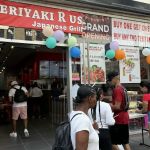 Teriyaki R Us4.0 (70 reviews)
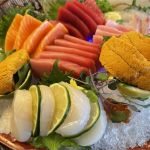 A Foodie’s Experience at Akasaka Sushi Korean Japanese Restaurant: A Culinary Journey
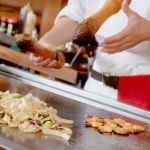 Is Benihana a Japanese Restaurant? Exploring Its Identity and Influence
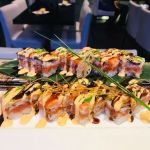 Exploring the Menu at Taki Japanese Restaurant Dunwoody
 Why Locals Recommend Mt. Fuji Japanese Restaurant for Authentic Dining
 Exploring the Menu at Aki Japanese Restaurant - A Culinary Journey
 What Makes Hanaoka Japanese Restaurant Stand Out Among Japanese Restaurants