
Japanese Breakfast Guide: What to Order and Expect
On this page
Quick answer
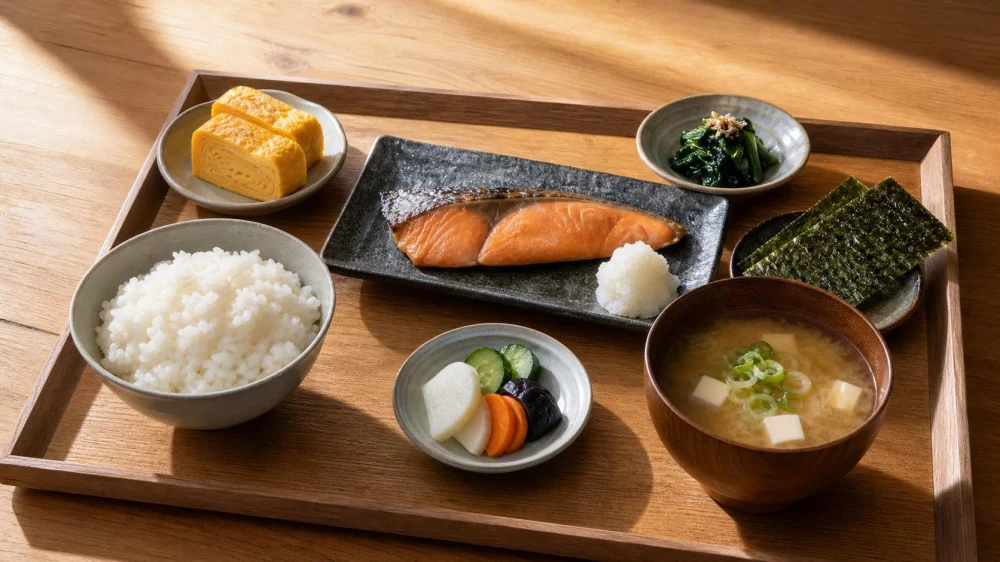
A traditional-style Japanese breakfast commonly combines steamed rice, miso soup, a cooked protein such as grilled fish or egg, pickles, and one or more small vegetable or tofu dishes. Treat it as a balanced set rather than a sequence of courses: alternate bites, adjust rice with savory items, and ask what is included before ordering because broth, fish, egg, soy, wheat, sesame, and portion sizes vary by restaurant.
What a Japanese breakfast is
A Japanese breakfast set is a collection of rice, soup, protein, pickles, and small side dishes served together to create contrasting flavors, textures, and temperatures. It is related to the broader set-meal idea but has ingredients and portions associated with the morning.
There is no single mandatory menu. Home breakfasts, hotels, ryokan inns, cafes, chains, and Japanese restaurants in the United States may serve different regional or modern versions.
The core parts of the meal
Steamed rice
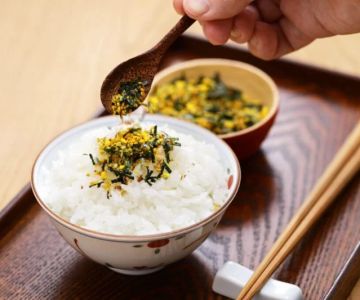
Plain short-grain rice provides a neutral base for salty fish, pickles, seaweed, and savory side dishes. Some restaurants offer mixed-grain rice, rice porridge, or refills.
Miso soup
Miso soup often contains fermented soybean paste, dashi broth, tofu, seaweed, scallion, mushrooms, or seasonal vegetables. Dashi may be made with fish, kelp, mushrooms, or a combination, so vegetarian diners should ask.
Cooked protein
Grilled salmon or mackerel is common, but egg, tofu, natto, chicken, or another cooked item may appear. Fish can contain small bones and may be salted before grilling.
Pickles and small dishes
Japanese pickles add acidity, salt, and crunch. Small dishes may include spinach, seaweed, simmered vegetables, tofu, grated daikon, or salad. They are accents, not necessarily separate courses.
Common breakfast variations
- Grilled-fish set: rice, soup, salted or marinated fish, pickles, and sides; best for diners who enjoy a savory, protein-forward morning meal.
- Tamagoyaki set: rolled cooked omelet with rice and soup; often mild and approachable, though seasoning varies.
- Natto breakfast: fermented soybeans served with rice and condiments; known for a sticky texture and strong aroma.
- Okayu or ochazuke: rice porridge or rice served with tea or broth; gentler in texture but toppings and stock can still be salty or fish-based.
- Western-influenced set: toast, egg, salad, fruit, yogurt, or coffee, sometimes alongside Japanese elements.
- Hotel buffet: lets diners build a set, but shared utensils and holding temperatures matter for allergies and preferences.
How to read and order the menu
- Find the main item. The set name often highlights grilled fish, egg, natto, tofu, or porridge.
- Check what is included. Look for rice, soup, pickles, sides, drink, and whether refills cost extra.
- Ask about fish species and preparation. Salted, miso-marinated, dried, or glazed fish taste different.
- Confirm egg doneness. Raw or soft egg may be offered with rice; request fully cooked egg if needed.
- Ask about substitutions. A restaurant may or may not replace soup, fish, rice, or pickles.
- Clarify breakfast hours. Morning sets can be limited to a specific service window.
Use a simple question: “What comes with this breakfast set, and which items contain fish broth, raw egg, or allergens?”
How to eat the set comfortably
There is no required bite order. A practical rhythm is to taste the soup, take rice with a small amount of fish or side dish, and use pickles as a strong accent. Keep each bowl in its role rather than mixing everything immediately.
- Use chopsticks to separate a small piece of fish and watch for bones.
- Lift the soup bowl when appropriate and sip from it; use chopsticks for solid ingredients.
- Add natto, nori, grated daikon, or condiments gradually.
- Taste before adding soy sauce because fish, pickles, miso soup, and seasoned seaweed may already be salty.
- Move slowly across the small dishes; the meal is designed for variety.
Restaurant customs vary. Observe the table setup and ask staff if an unfamiliar utensil or condiment has a specific purpose.
Dietary questions to ask
- Fish and shellfish: dashi, flakes, sauces, and garnishes can contain seafood even when the main dish is tofu or vegetables.
- Soy: miso, tofu, natto, soy sauce, and many marinades contain soy.
- Wheat: standard soy sauce and some seasonings may contain wheat.
- Egg: tamagoyaki, mayonnaise, and dressings may contain egg; some eggs are served raw or soft.
- Sesame: seeds and sesame oil may appear in sides or dressings.
- Milk: more likely in Western-style items, creamy dressings, bread, or coffee drinks.
For a food allergy, state the allergen and ask about shared utensils, grills, pans, buffets, and preparation surfaces. A vegetarian label does not guarantee freedom from fish-based broth or allergy cross-contact.
How to choose your first set
Choose grilled fish if you like savory food and are comfortable checking for bones. Choose tamagoyaki or tofu for a milder introduction. Choose porridge when you want a softer texture. Choose natto when you are curious about fermented flavors and sticky texture.
A good first order is one main item, rice, soup, and two small sides. Avoid ordering many extras until you know the set size. Portions at US restaurants can differ from breakfasts served in Japan.
Important notes
This guide describes common patterns, not authenticity rules. Japanese breakfast changes by household, region, season, restaurant, and personal routine. A restaurant directory or blog should not claim that one presentation is the only correct version.
Salt content may be high when miso soup, salted fish, pickles, sauces, and seasoned seaweed appear together. People with allergies, celiac disease, pregnancy-related food restrictions, kidney or heart conditions, or other medical needs should ask specific questions and follow individualized healthcare guidance.
Frequently asked questions
Is Japanese breakfast always fish and rice?
No. Fish and rice are common in traditional-style sets, but egg, tofu, natto, porridge, toast, salad, and other combinations are also served.
Is miso soup vegetarian?
Sometimes. Miso itself is soy-based, but the broth may contain bonito or other fish. Ask whether the dashi is made only with kelp, mushrooms, or other plant ingredients.
What is the sticky soybean dish?
Natto is fermented soybean, commonly mixed with sauce or mustard and eaten with rice. It has a sticky texture and distinctive aroma.
Can I ask for fully cooked eggs?
Yes, but the restaurant may have limited substitutions. Confirm whether a set includes raw, soft, or fully cooked egg before ordering.
Do I pour soy sauce over the rice?
Usually it is better to taste first and use sauce lightly on the item it accompanies. The meal may already contain several salty components.
Sources and evidence notes
This guide reflects broadly documented Japanese meal patterns and common restaurant practice: rice, soup, a main dish, pickles, and small sides served together. Dish names and preparations are descriptive, not promises about a specific restaurant.
Ingredient and allergy details must come from the restaurant’s current recipe and kitchen process. General cultural guidance cannot replace food labels, staff confirmation, or individualized medical advice.
Next steps
Review the breakfast menu before visiting and choose one main category: grilled fish, egg, tofu, natto, or porridge. At the restaurant, confirm the set components, broth, egg doneness, allergens, and refill policy.
Then eat by alternating small bites rather than searching for a formal order. The appeal of a Japanese breakfast is the conversation among simple components: warm rice, savory soup, a cooked main, and bright small sides.

 Xaga Sushi & Asian Fusion4.0 (334 reviews)
 Coast Sushi & Sashimi4.0 (143 reviews)
 New Suki Ichiro Sushi4.0 (367 reviews)
 Oni Ramen4.0 (1952 reviews)
 Kuro-Obi Ramen CK by Ippudo3.0 (64 reviews)
 Sushi Q4.0 (317 reviews)
 Why Locals Recommend Kazu Japanese Restaurant
 What to Eat at a Japanese Restaurant on Whole30 – Best Compliant Choices
 Signature Sushi and Ramen at Top Japanese Restaurants in NYC
 A Foodie’s Experience at Domo Japanese Country Food Restaurant
 Why Kiku Japanese Restaurant Is a Must-Try Spot for Japanese Food Lovers
 A Foodie’s Experience at Mt. Fuji Japanese Restaurant | Authentic Japanese Cuisine