
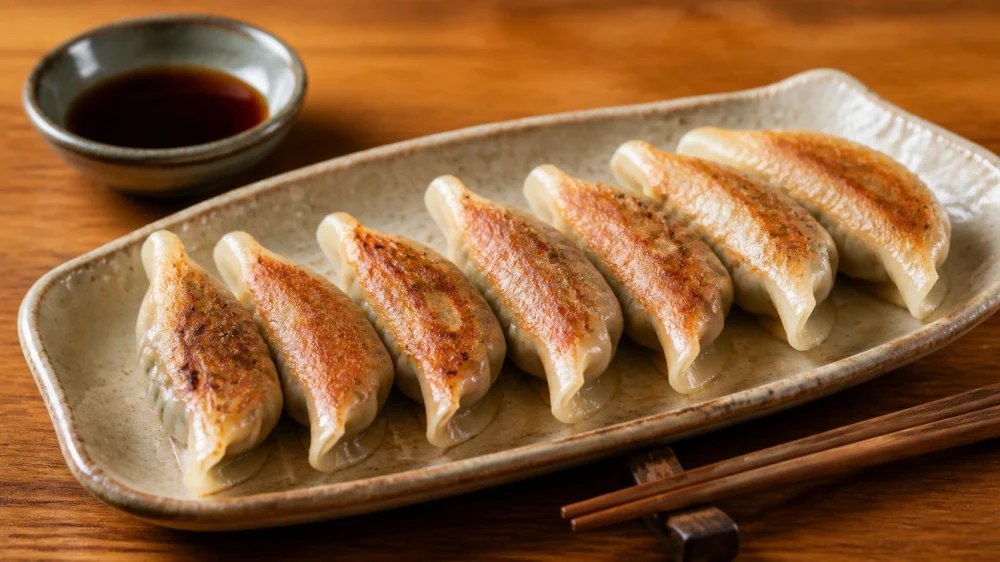
Japanese Gyoza Guide: Styles, Dipping, and Sharing
On this page
Quick answer
Choose Japanese gyoza by cooking method, filling, wrapper texture, and the role it will play in your meal. Pan-fried yaki gyoza offers a crisp base, boiled sui gyoza is softer, and fried age gyoza is crisp throughout. Confirm ingredients and doneness with the restaurant, then order portions that are easy to share while hot.
Why it matters
Gyoza are Japanese dumplings commonly made with a thin wrapper around a seasoned filling, then cooked by pan-frying and steaming, boiling, deep-frying, or another restaurant-specific method. The cooking style changes the wrapper texture and richness, while the filling and condiments shape how the dumplings fit with noodles, rice, drinks, and shared dishes.
This guide is for diners exploring Japanese restaurants in the United States. Menus and recipes vary, so Japanese dish names are useful orientation rather than a guarantee of ingredients or preparation. People with allergies, dietary restrictions, swallowing concerns, or medically required diets should ask the restaurant directly before ordering.
Practical checklist
- Identify the cooking style: yaki gyoza is usually pan-fried and steamed, sui gyoza is boiled, and age gyoza is deep-fried.
- Ask what the filling contains; common versions may include pork, chicken, shrimp, vegetables, cabbage, chives, garlic, ginger, or seasonings.
- Check the number and size of dumplings in one order before estimating portions for the table.
- Decide whether gyoza will be a starter, a side for noodles or rice, or one dish among several shared plates.
- Taste one dumpling before adding extra sauce so you can judge the seasoning and filling.
- Ask whether dipping sauce arrives premixed or whether soy-based sauce, vinegar, and chili oil are provided separately.
- Confirm cross-contact procedures directly if an allergy or strict dietary restriction is involved.
- Eat cooked dumplings while pleasantly hot, but allow the filling to cool enough to avoid a burn.
Step-by-step plan
- Start with texture. Choose pan-fried for a crisp base and tender upper wrapper, boiled for a softer and lighter-feeling bite, or deep-fried for a uniformly crisp shell. Restaurant techniques may differ from these general patterns.
- Match the filling to the rest of the meal. A rich meat filling can complement a simple noodle soup or vegetable side, while a vegetable-forward filling may provide contrast beside grilled or fried dishes.
- Estimate sharing portions after checking the count. For a group ordering many dishes, one or two dumplings per person may be enough for tasting; a gyoza-focused order may require more. Appetite and dumpling size matter more than a fixed formula.
- Build dipping sauce gradually. Begin with a small amount of the house sauce or a vinegar-forward mix. Add soy-based seasoning or chili oil a little at a time so the wrapper does not become soggy and the filling remains noticeable.
- Lift a dumpling carefully, support it if the wrapper is delicate, and take a small first bite. Steam and hot juices can collect inside even when the surface feels safe.
- If doneness seems uncertain, stop eating and ask the restaurant to check it. Do not judge safety solely by the color of a meat filling because ingredients and cooking methods affect appearance.
- Order another plate only after seeing how gyoza fits with the pace and size of the remaining meal. Freshly cooked dumplings generally provide a better texture than an oversized first order left cooling on the table.
For a group, note cooking style, filling, count, allergy question, preferred sauce level, and who wants a portion. This simple plan avoids ordering several nearly identical plates and helps the table include both familiar and contrasting textures.
Limits and warning signs
Names such as vegetable gyoza or shrimp gyoza do not disclose every ingredient. Wrappers may contain wheat, sauces may contain soy or other allergens, broths and seasonings may include animal-derived ingredients, and shared fryers or preparation surfaces may create cross-contact. A menu description cannot confirm a restaurant’s current recipe or safety process.
Tell restaurant staff about a food allergy before ordering, describe the ingredient and reaction risk clearly, and ask whether the kitchen can accommodate it. If staff cannot confirm ingredients or cross-contact controls, choose a different dish or restaurant. Seek emergency help for severe breathing difficulty, throat or facial swelling, fainting, or another suspected severe allergic reaction.
Frequently asked questions
What is the difference between gyoza and potstickers?
The terms overlap in everyday US menus, but gyoza commonly refers to a Japanese style with a relatively thin wrapper and finely prepared filling. The restaurant’s description is more reliable than the label alone.
Should I eat gyoza in one bite?
There is no need to force a large or hot dumpling into one bite. A smaller first bite helps release steam and makes the temperature and filling easier to assess.
Is gyoza sauce always soy sauce and vinegar?
That is a common base, sometimes with chili oil, but house recipes vary. Ask if you need ingredient details, and season gradually.
Can gyoza be the main part of a meal?
Yes, depending on portion and appetite. Add a simple vegetable, soup, or rice dish if you want more contrast, but there is no required combination.
Sources and evidence
This article relies on broad Japanese dining practice and common menu terminology, not a claim about a specific restaurant. The current menu, ingredient list, kitchen staff, and posted allergy information are the appropriate evidence sources for an individual order. Food-safety or dietary decisions should follow restaurant-specific facts and qualified medical advice where needed.
Conclusion and next steps
At the restaurant, check the cooking method, filling, count, and allergy details before ordering. Choose one style that adds a useful texture to the meal, start with restrained dipping sauce, and share the dumplings while fresh. If you enjoy the first plate, compare a second cooking style or filling on a future visit rather than overloading one meal.

 Sushi Zen Japanese Bistro4.0 (1381 reviews)
 Juno Japanese Restaurant - Westport4.0 (236 reviews)
 Tomo Sushi @Burien4.0 (258 reviews)
 Sake Japanese4.0 (57 reviews)
 GuGu Asian Table4.0 (454 reviews)
 Kodori Restaurant Japanese & Korean4.0 (549 reviews)
 What Makes Waraji Japanese Restaurant Stand Out Among Japanese Restaurants
 An Insider’s Review of Ebisu Japanese Restaurant
 Signature Sushi and Ramen at Yuki Japanese Restaurant - A Culinary Delight
 What Makes a Japanese Restaurant SF Stand Out Among Japanese Restaurants
 What Sauce Do They Use at Japanese Restaurants? Authentic Flavors Explained
 How Much in a Roll at a Japanese Restaurant? Portion Guide & Tips