
Japanese Pickles Guide: How to Enjoy Tsukemono
On this page
Quick answer
Tsukemono are Japanese vegetables or fruits preserved or seasoned with salt, rice bran, vinegar, miso, sake lees, soy sauce, or other pickling beds. Eat small bites alongside rice, between richer dishes, or as part of a set meal. Start with mild cucumber, daikon, or lightly salted cabbage if you are new, and ask about ingredients when managing allergies or sodium.
What is tsukemono?
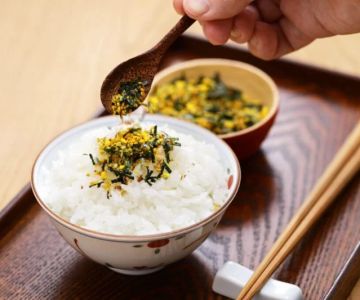
Tsukemono means “pickled things” and refers to a broad Japanese food category rather than one recipe. Some versions are quickly seasoned and crisp; others mature longer and develop a deeper aroma, color, acidity, or fermented character.
Their role is usually complementary. A small portion can refresh the palate, add texture and color, and balance plain rice or a rich main dish. They are not automatically a starter, garnish, or unlimited side dish in every restaurant.
Common styles
- Shiozuke: salt-pickled vegetables, often direct and crisp. Light versions are approachable for beginners.
- Asazuke: quick, lightly pickled vegetables with a fresh texture and restrained flavor.
- Nukazuke: vegetables cultured in a rice-bran bed, producing savory, tangy, fermented notes.
- Su-zuke: vinegar-pickled items with noticeable acidity; sweetened versions may taste gentler.
- Misozuke: ingredients pickled in miso, with concentrated savory and sometimes sweet flavors.
- Kasuzuke: pickling in sake lees, which can create a fragrant, complex character.
- Shoyuzuke: soy-sauce pickles with a dark, salty, umami-rich profile.
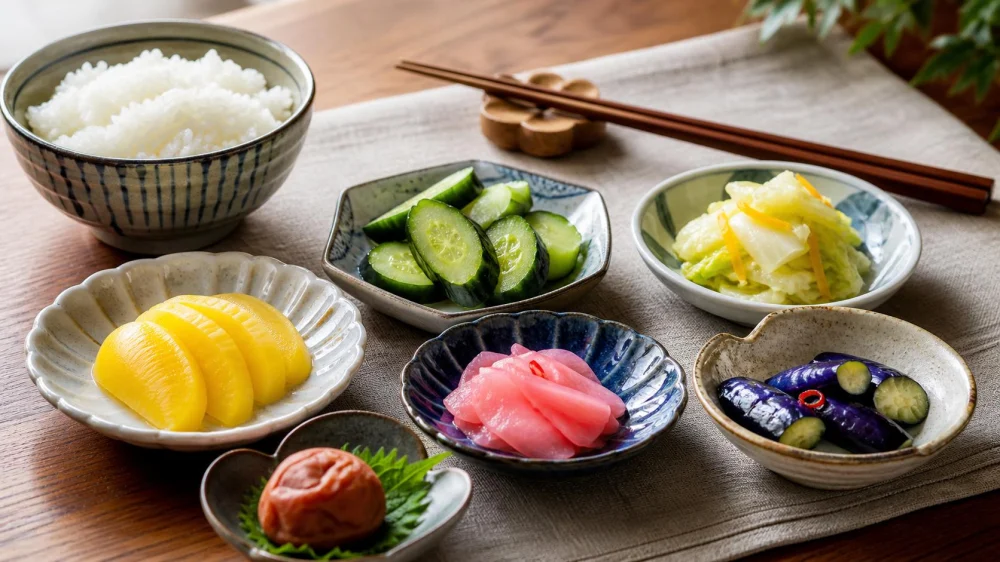
Familiar examples include yellow takuan made from daikon, red or purple umeboshi made from ume fruit, cucumber pickles, ginger served with sushi, and regional vegetable specialties. Color does not reliably identify ingredients because recipes and coloring methods differ.
How to eat tsukemono
- Take a small bite rather than eating the whole portion at once.
- Alternate it with rice or the main dish to notice contrast in salt, acidity, and texture.
- Use the chopsticks provided and avoid dipping the pickle into unrelated sauces unless instructed.
- For very strong umeboshi or fermented pickles, pair a tiny amount with rice.
- Leave any item you dislike; there is no need to force a strong flavor.
Pickled ginger beside sushi is mainly a palate refresher between pieces. It is generally eaten separately rather than placed on top of every piece. Takuan and other pickles in a set meal can be alternated with rice and side dishes.
How to choose or order
Best for beginners: ask for a small assortment or mild, quick-pickled cucumber, cabbage, or daikon. Best for fermented-food fans: consider nukazuke or a regional specialty after asking how assertive it is.
When to choose umeboshi: when you enjoy an intensely sour and salty accent with rice. When to avoid guessing: if you have soy, alcohol, sesame, wheat, or other dietary concerns, because the pickling medium and seasoning may not be visible.
At a United States restaurant, names and preparations may be translated, adapted, or grouped as “Japanese pickles.” Ask what vegetables are included, whether the assortment changes, and whether it comes with the meal before ordering an extra plate.
Practical checklist
- Identify whether the pickles are included, a side order, or part of a set.
- Ask for a mild recommendation if you dislike strong fermentation.
- Confirm the pickling medium and shared preparation when allergies matter.
- Expect a small portion with concentrated flavor.
- Pair strong pickles with rice rather than judging them alone.
- Refrigerate retail products and follow the package after opening.
Limitations and important notes
Recipes, fermentation, additives, allergens, and storage needs vary by cook and manufacturer. The category name alone cannot confirm that a pickle is vegan, gluten-free, alcohol-free, naturally fermented, or safe for a particular allergy.
Pickles can contain substantial sodium. People following medical dietary restrictions should use individualized professional guidance. At home, do not treat appearance or smell alone as proof that an improperly stored product is safe; follow manufacturer instructions or a tested preservation recipe.
Sources and evidence notes
This guide reflects established Japanese culinary categories and common meal practice. Transliteration, regional naming, and individual recipes vary. No health benefit, fermentation claim, ingredient list, or restaurant availability is assumed for every product.
Frequently asked questions
Are all tsukemono fermented?
No. Some undergo fermentation, while quick vinegar or lightly seasoned pickles may not. Ask about the process if fermentation is important to you.
Is umeboshi a plum?
It is made from ume, a fruit related to apricots and plums. Its usual flavor is intensely sour and salty, though sweetened versions exist.
Why is takuan yellow?
Traditional processing and ingredients can influence its color, while some commercial recipes use coloring. The appearance alone does not reveal the exact method.
Are Japanese pickles vegetarian?
Many are vegetable-based, but seasonings may contain fish-derived ingredients or other animal products. Confirm the restaurant’s recipe.
Can I make tsukemono at home?
Yes. A simple refrigerated quick pickle is accessible, but longer fermentation and shelf-stable preservation require tested ratios, clean equipment, temperature control, and reliable safety instructions.
Next steps
Begin with a small mild assortment, taste each item beside rice, and note whether you prefer salty, sour, sweet, or fermented styles. Use that preference to explore a specific method or regional pickle on your next Japanese meal.


 Xaga Sushi & Asian Fusion4.0 (334 reviews)
 Coast Sushi & Sashimi4.0 (143 reviews)
 New Suki Ichiro Sushi4.0 (367 reviews)
 Oni Ramen4.0 (1952 reviews)
 Kuro-Obi Ramen CK by Ippudo3.0 (64 reviews)
 Sushi Q4.0 (317 reviews)
 Why Locals Recommend Kazu Japanese Restaurant
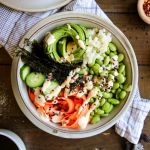 What to Eat at a Japanese Restaurant on Whole30 – Best Compliant Choices
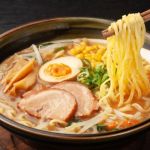 Signature Sushi and Ramen at Top Japanese Restaurants in NYC
 A Foodie’s Experience at Domo Japanese Country Food Restaurant
 Why Kiku Japanese Restaurant Is a Must-Try Spot for Japanese Food Lovers
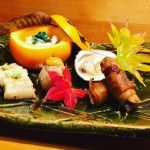 A Foodie’s Experience at Mt. Fuji Japanese Restaurant | Authentic Japanese Cuisine