Japanese Restaurant Allergies: Questions Before You Order
On this page
Quick answer
Tell the restaurant the exact allergen and reaction risk before ordering, then ask about every component, including broth, sauce, garnish, cooking oil, and shared equipment. Do not treat a dish name or an omitted menu symbol as proof of safety. If staff cannot confirm ingredients and cross-contact controls, choose another dish or restaurant. Carry and use prescribed emergency medicine exactly as your clinician directs.
Name the exact allergen and risk
A food allergy is an immune reaction to a food protein and can be life-threatening. It is different from a preference, intolerance, or dietary pattern, although each may still matter to the diner. State the allergen by its ordinary name and say that it is an allergy. If trace exposure or cross-contact can cause a reaction for you, say so directly.
In the United States, the nine major food allergens are milk, egg, fish, Crustacean shellfish, tree nuts, peanuts, wheat, soybeans, and sesame. A person can also be allergic to foods outside that list. Name the specific fish, shellfish, nut, seed, grain, or other food when your clinician has identified it.
Do not diagnose an allergy at the table. If you have had symptoms after eating but do not know the trigger, seek evaluation from a qualified clinician. Removing broad food groups without guidance can make restaurant conversations less precise and may unnecessarily restrict your diet.
Contact the restaurant before visiting
Call during a quiet time and ask to speak with someone familiar with ingredients and kitchen procedures. Online menus can help identify possibilities, but recipes, suppliers, specials, and preparation methods can change. A reservation note alone may not reach the person preparing the food.
- Can the kitchen review ingredients for my specific allergen?
- Are sauces, broths, marinades, dressings, and garnishes prepared in-house or supplied with labels?
- Does the restaurant use shared fryers, grills, griddles, knives, cutting boards, pots, or serving utensils?
- Can a manager and the cook both be alerted when I arrive?
- Is there a simple dish the kitchen can prepare without the allergen and without unsafe cross-contact?
Listen for uncertainty. “It should be fine,” “we can remove it from the top,” or “there is only a little” does not answer an allergy question. A restaurant may honestly say it cannot provide a safe option; that answer is useful for choosing another plan.
Ask about the complete preparation
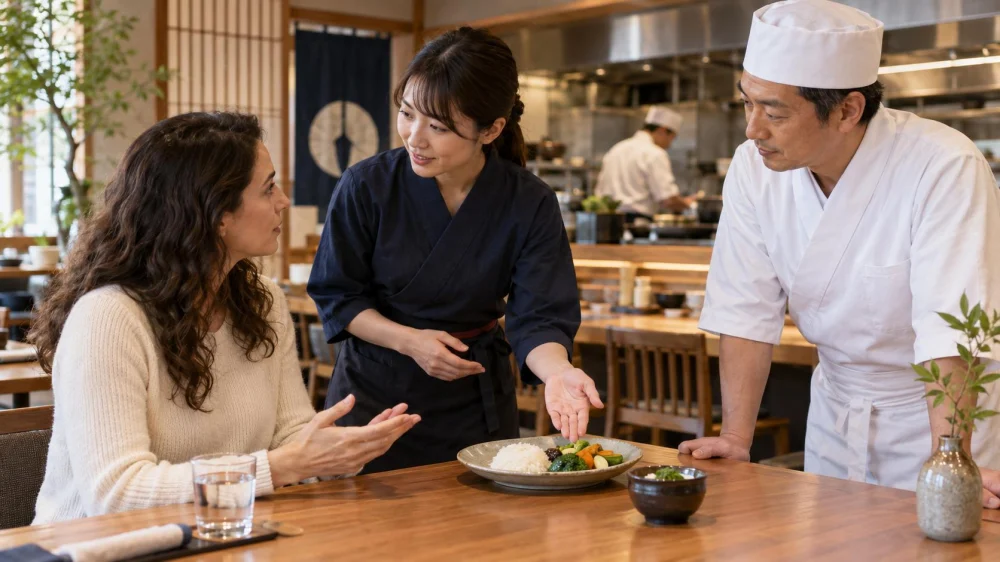
Repeat the allergy to the server even if you called ahead. Ask the server to notify the kitchen rather than relying only on a menu note. When the dish arrives, confirm that it is the allergy order and check for unexpected sauce, garnish, crumbs, or side items.
Ask about the entire preparation chain:
- Base: rice, noodles, batter, tofu, fish, meat, vegetables, or another main component.
- Flavoring: broth, soy-based seasoning, miso, dressing, vinegar blend, marinade, spice mix, or table sauce.
- Cooking: shared fryer, grill, teppan, boiling water, oil, pan, or utensil.
- Finish: egg wash, sesame, bonito flakes, seaweed blend, mayonnaise, crumbs, or decorative garnish.
- Service: shared platters, dipping bowls, buffet utensils, or food prepared beside another order.
A modified dish is not automatically safe. Removing a topping after cooking does not undo exposure, and choosing plain rice does not answer how surrounding items were handled.
Recognize common ingredient paths
Japanese restaurant menus can combine multiple preparations in one meal. Soy may appear in sauces, marinades, miso, tofu, or broth. Wheat may appear in noodles, batter, crumbs, or some sauces. Egg can appear in batter, noodles, mayonnaise-style sauces, toppings, or rice dishes. Sesame may be used as seeds, oil, paste, or seasoning.
Fish and shellfish can appear as visible ingredients or in broth, dried seasoning, mixed fillings, sauces, or shared frying and grilling areas. A vegetarian-looking dish can still contain fish-based stock. Buckwheat, used in soba, is not one of the nine U.S. major allergens but can cause serious reactions in susceptible people.
These are question prompts, not a complete recipe list. The same dish can be prepared differently by region, chef, supplier, or restaurant. Ask about the actual recipe and handling used that day instead of assuming that a familiar name has a fixed ingredient list.
Plan for cross-contact and emergencies
Cross-contact happens when an allergen is unintentionally transferred to another food through hands, surfaces, utensils, oil, water, equipment, or storage. Cooking does not reliably make an allergen safe. Ask what controls are feasible, but remember that a busy restaurant cannot guarantee zero exposure merely because staff wipe a surface or change gloves.
Follow the emergency plan provided by your clinician. Carry prescribed epinephrine or other medicine as directed, check that companions know where it is, and do not depend on the restaurant to supply it. If you develop signs of a severe allergic reaction, use prescribed epinephrine promptly as directed and call 911 in the United States or the appropriate local emergency service. Do not wait to see whether symptoms become worse.
Evidence note: The U.S. Food and Drug Administration lists the nine major food allergens and explains that allergic reactions can be severe in its food allergy guidance. FDA packaged-food labeling rules do not mean that every restaurant dish carries a complete packaged-food-style label. Restaurant procedures and local requirements also vary.
This article is general safety information, not an individualized allergy action plan. Your allergist or other qualified clinician should define which foods to avoid and what to do after exposure.
Frequently asked questions
Is gluten-free the same as wheat-allergy safe?
No. Gluten-free labeling and wheat allergy address different questions, and cross-contact can still matter. Name the diagnosed allergen and ask about ingredients and preparation rather than relying only on a gluten-free menu label.
Can I rely on an allergen icon on the menu?
Use it as a starting point, not a guarantee. Confirm the recipe, substitutions, garnishes, shared equipment, and current kitchen procedures with staff.
Does removing sesame seeds make a dish safe for sesame allergy?
Not necessarily. Sesame may also appear as oil, paste, seasoning, or a component of a sauce, and contact may already have occurred. Ask about every ingredient and preparation step.
What if the server does not understand the question?
Ask for a manager or another person who can communicate with the kitchen. A translated allergy card can support the conversation but does not replace confirmation. If the restaurant cannot give a clear answer, do not eat the uncertain dish.
Next steps
Before going out, write the exact allergen, the need to avoid cross-contact, and the emergency steps prescribed for you. Call the restaurant, identify one or two potentially simple dishes, and prepare a backup option. At the table, repeat the allergy, ask about the full preparation, and confirm the plate when it arrives.
The best choice is the one supported by clear ingredient information, workable kitchen controls, and your personal medical plan. If any link in that chain is uncertain, choose a different dish or dining location.
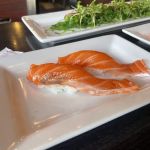 Sushi Gato4.0 (100 reviews)
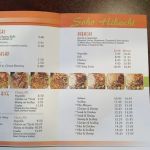 Soho Hibachi4.0 (907 reviews)
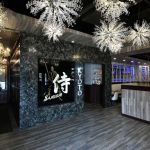 Kyoto Japanese Restaurant4.0 (732 reviews)
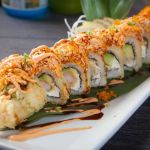 Fuji Sushi4.0 (568 reviews)
 Yummi Yummi sushi restaurant4.0 (165 reviews)
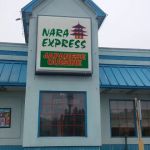 Nara Express3.0 (780 reviews)
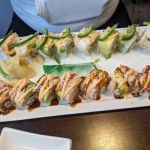 Signature Sushi and Ramen at Shima Japanese Restaurant
 Why Locals Recommend Japanese Restaurants in Miami: Best Spots for Authentic Dining
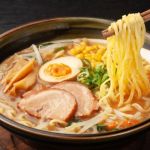 Signature Sushi and Ramen at Top Japanese Restaurants in NYC
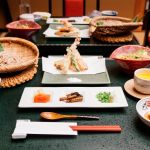 What Makes Orchid Japanese Restaurant Stand Out Among Japanese Restaurants
 How to Order at a Japanese Restaurant: Essential Tips for a Great Dining Experience
 What Makes Miyabi Japanese Restaurant Stand Out Among Japanese Restaurants